bodywood Care (Bourreria succulenta)

Also known as: Bahama Strongbark
bodywood

About bodywood

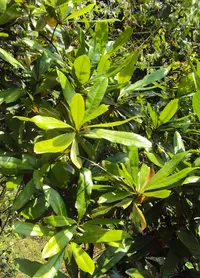
Bodywood, Bourreria succulenta, is a small to medium evergreen tree native to coastal areas of Florida, the Caribbean, and parts of Central America. It is often found in dry, rocky habitats and coastal thickets.

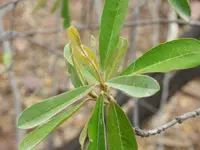
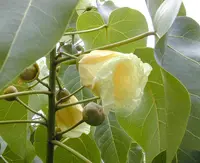
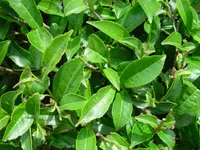
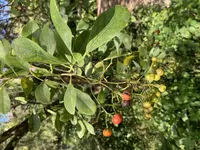
The plant has a dense, rounded canopy, small thick leaves, and clusters of white, tubular flowers that are followed by orange to red berries. Its natural tolerance of wind, salt, and drought makes it relatively resilient once established.

Gardeners who want to care for bodywood should know it prefers full sun, well‑drained soil, and moderate watering, and it responds well to light structural pruning.

Main Plant Requirements

Care Difficulty

Moderate Care

Light Preference

Full Sun

Water Requirements

Moderate Water

Temperature Preference

Tropical / Frost Sensitive

Hardiness Zone

10–11

Soil Texture

Sandy, Loamy, Rocky

Soil pH

Slightly acidic (6.5–7.0), Neutral (7.0)

Soil Drainage

Well-drained

Fertilization

Minimal (feed rarely)

Get Personalized Care Plan

Scan your plant to receive care tips personalized for your specific plant

Available on iOS and Android

How to Care for the bodywood

This coastal shrub prefers strong sun but copes with some light shade in hot regions.

  • Provide 6–8 hours of direct sun daily; full sun promotes dense growth and better flowering in bodywood.
  • Allow light afternoon shade in very hot climates to reduce leaf scorch, especially on young or newly transplanted plants.
  • In winter, unobstructed sun is helpful; in summer, filtered light from sparse tree cover is acceptable if at least 4–5 hours of direct morning sun are available.

This species prefers drying between waterings and dislikes constantly wet soil.

  • In the ground, water deeply only when the top 5–7 cm of soil feel dry, using longer, less frequent soakings rather than shallow splashes.
  • Ensure sharply draining soil or a sandy mix; water should infiltrate quickly and not pool for more than 1–2 hours around the root zone.
  • Reduce watering in cool seasons when growth slows; dull leaves and slight leaf drop suggest underwatering, while yellowing and soft stems indicate possible overwatering for Bourreria succulenta.

This shrub is adapted to warm, subtropical to tropical conditions and is sensitive to frost.

  • Aim for 70–90°F (21–32°C) during active growth; it tolerates brief heat up to about 95°F (35°C) if soil is not waterlogged and roots are mulched.
  • Protect from cold below 40°F (4°C); foliage and young tips can be damaged near this level, especially with wind exposure.
  • Avoid frost; temperatures at or below 32°F (0°C) can kill young plants, so provide covers, windbreaks, or grow in the warmest microclimate available.

This coastal shrub handles a wide humidity range but grows best with moderate ambient moisture.

  • Aim for 40–60% humidity; no special increase is needed in most homes or outdoor sites.
  • Bodywood tolerates relatively dry air but may drop some leaves during extended indoor heating or strong drying winds.
  • Humidity stress shows as crisp leaf edges and slowed growth; group plants or use a pebble tray if indoor air stays very dry.

This species prefers fast-draining, mineral-rich soil that mimics its native coastal habitat.

  • Use a sandy or sandy-loam mix with coarse structure so water drains freely and air reaches the roots.
  • Combine roughly 50–60% coarse sand, 20–30% perlite or pumice, and 20–30% composted organic matter or fine bark for Bourreria succulenta.
  • Target a slightly acidic to neutral pH of 6.0–7.5, avoiding strongly acidic or saline urban fill soils.
  • Avoid compacted clay, waterlogged spots, or heavy peat-based mixes; improve drainage by raising the planting area or incorporating coarse grit.

This shrub can be grown in containers if given enough root space and careful moisture management.

  • Choose a deep, heavy container that resists tipping and allows the woody root system to anchor securely.
  • Select thick-walled terracotta or concrete pots in windy sites to reduce overheating and improve stability for top growth.
  • Elevate the pot on feet or bricks so drainage holes stay clear and excess water exits quickly after heavy rain or irrigation.

Bourreria succulenta grows well in modest soils but benefits from light feeding in containers or poor ground.

  • Use a balanced slow-release fertilizer (around 10-10-10) or a thin layer of compost in early spring.
  • Feed every 6–8 weeks during the warm growing season, focusing on actively growing plants.
  • Dilute liquid fertilizer to 1/2 strength to avoid salt buildup and root burn, especially in pots.
  • Stop feeding in late fall and during winter dormancy, resuming only when new growth begins.

Bourreria succulenta responds well to light structural pruning that maintains a healthy canopy and flowering wood.

  • Carry out main pruning in late winter or very early spring before strong new growth starts.
  • Remove dead, diseased, crossing, or inward-growing branches to improve air flow and light penetration.
  • Thin crowded shoots rather than shearing the canopy to keep a natural form and stable branching.
  • Use clean, sharp bypass pruners or loppers, making cuts just above a bud or branch junction.

This species is more often grown in the ground, but young or container-grown plants may need occasional transplanting.

  • Transplant or shift to a larger container in late winter to early spring when growth is just restarting.
  • Look for roots circling the pot, water draining very fast, or slowed growth as signals to move up 1 pot size.
  • Gently loosen circling roots and keep as much root ball intact as possible to reduce transplant shock.
  • Replant into well-drained soil, water thoroughly, then shade from intense sun for 3–5 days while roots re-establish.

Bourreria succulenta is propagated mainly by semi-hardwood cuttings and seeds under warm conditions.

  • Take semi-hardwood cuttings in late spring to summer, 10–15 cm long, from healthy non-flowering shoots.
  • Remove lower leaves, dip the base in rooting hormone, and place in a well-drained, moist, sandy mix.
  • Maintain warmth around 70–80°F, bright indirect light, and high humidity until roots form.
  • Sow fresh seed in a free-draining medium, keeping it evenly moist and warm for steady germination.

In mild, frost-free climates, this coastal species needs minimal winter attention outdoors.

  • Bodywood is sensitive to hard frost; growth is safest in USDA zones roughly 10–11.
  • Apply a 5–8 cm mulch layer around the root zone in late fall in marginal climates, keeping mulch off the trunk.
  • Move container plants indoors or into a sheltered greenhouse before nights drop below 40°F.

Care Tips

Saltwind protection

In coastal or exposed sites, install a low windbreak fence or plant a row of tougher shrubs on the windward side to reduce direct salt-laden winds on young plants and prevent leaf burn while they establish.

Formative crown training

During the first 2–3 years, selectively remove competing stems and lightly tip-prune dominant shoots to develop a single strong trunk and an even, well-spaced canopy, which improves long-term structure and storm resilience when growing bodywood.

Mulch root zone

Apply a 5–8 cm layer of coarse organic mulch around the drip line, keeping it a few centimeters away from the trunk, to moderate soil temperature, reduce weed competition, and encourage a deeper, more drought-tolerant root system.

Targeted pollinator support

Plant nectar-rich shrubs and herbs that flower at the same time nearby to attract bees and butterflies, which can noticeably increase fruit set and seed production on mature trees.

Salt-tolerant underplanting

In coastal gardens, use low, salt-tolerant groundcovers beneath the canopy instead of bare soil to reduce reflective heat and salt splash onto lower foliage, helping maintain healthier leaves and stems.

Common Pests and Diseases

Whitefly

This pest often colonizes young shoots and leaf undersides, sucking sap and weakening new growth. Symptoms include leaf yellowing, sticky honeydew, and small white insects that fly up when branches are disturbed.

Solution

Reduce populations by spraying the canopy with a strong stream of water, focusing on leaf undersides, then apply insecticidal soap or neem oil every 7–10 days until activity declines. Prune heavily infested shoots and encourage airflow and sun exposure, which both discourage severe whitefly buildup and support overall Bourreria succulenta care.

Soft scale

These insects attach to stems and older leaves, feeding on sap and excreting honeydew that supports black sooty mold. Symptoms include bumpy brown or tan scales on twigs, sticky residue, and gradual decline in vigor.

Solution

Scrape or wipe accessible scales off stems with a cloth dipped in soapy water or 70% isopropyl alcohol, then follow with a thorough application of horticultural oil to smother remaining juveniles. Inspect plants regularly and prune out heavily encrusted branches to prevent reinfestation and improve light penetration into the canopy.

Twig borer

These insects tunnel into young branches, causing wilting tips, dieback, and small entry holes with frass (sawdust-like material). Symptoms include sudden browning of individual twigs despite otherwise healthy foliage nearby.

Solution

Prune and destroy affected twigs 10–15 cm below visible damage to remove larvae before they spread further. Keep the plant vigorous with proper watering and avoid wounding bark, as stressed or damaged wood is more attractive to borers.

Leaf spot

This disease causes small tan to dark brown spots on leaves that may merge into larger blotches, especially during warm, wet weather. Symptoms include premature leaf drop and a generally thinned canopy in severe cases.

Solution

Remove and discard spotted fallen leaves to reduce the source of infection, and avoid overhead watering that keeps foliage wet for long periods. Improve airflow by selective pruning and, in repeatedly affected landscapes, apply a copper-based fungicide at the start of the wet season according to label directions.

Sooty mold

This disease develops as a black, powdery to crusty coating on leaves and stems, growing on the honeydew from sap-sucking insects such as whiteflies or scales. Symptoms include dull, blackened foliage and reduced photosynthesis, though the fungus stays mostly on the surface.

Solution

First control the honeydew-producing insects with targeted treatments such as insecticidal soap, horticultural oil, or careful mechanical removal. Once insect activity declines, wash affected leaves gently with water to remove the black coating, and thin overly dense branches to increase light and drying of the canopy.

Interesting Facts

Caribbean coastal specialist

This small tree naturally occurs on coastal limestone and rocky shores across the Caribbean and parts of Florida, tolerating salt spray and alkaline, shallow soils that stress many other woody species.

Key food for wildlife

Its small orange fruits are eaten by many birds, including doves and warblers, and the flowers provide nectar and pollen for bees and butterflies, making it an important resource in dry coastal scrub habitats.

Evergreen in dry climates

Despite growing in seasonally dry habitats, it keeps its small, thick leaves year-round, an evergreen strategy supported by its relatively succulent foliage that helps reduce water loss.

Botan icon

Did you know?

In parts of the Caribbean, this species is used in coastal restoration plantings because its deep root system helps stabilize fragile limestone and sandy substrates while also supporting local pollinators and fruit-eating birds.

FAQs about bodywood

This species is moderately fast-growing under warm, coastal conditions, often adding 30–60 cm of height per year. Growth slows in poor, dry soil or with wind exposure. Consistent moisture, mulch, and light pruning support growing bodywood.

Grow Healthy Plants with Botan Care

Keep your plants happy and healthy with plant identification, disease detection, and easy care guidance.

Botan plant care app — identify plants on mobile

Explore More Plants