Saltwind tolerance check
In coastal sites, observe foliage for browning on the windward side and, if present, install a low windbreak or plant on the leeward side of a wall to protect young plants while they establish.

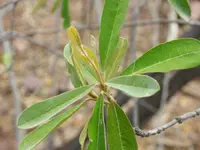
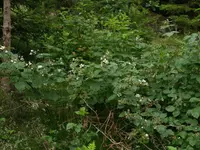
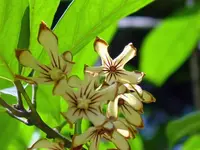
Linguam (Morisonia indica) is a small tropical tree or large shrub, valued mainly for its edible fruits and use in coastal plantings. It typically has a dense, branching habit with leathery green leaves and clusters of small, white flowers that develop into elongated fruits.
This species is native to coastal regions of the Americas and Caribbean, where it often grows in sandy or rocky soils near the sea. It adapts fairly well in cultivation but can be slower growing and prefers warm conditions, good light, and well-drained soil. Understanding how to care for Linguam starts with providing stable warmth and avoiding waterlogged roots.

Care Difficulty
Moderate Care

Light Preference
Full Sun

Water Requirements
Moderate Water

Temperature Preference
Warm Climate

Hardiness Zone
9–11

Soil Texture
Sandy, Loamy, Rocky

Soil pH
Slightly acidic (6.5–7.0), Neutral (7.0)

Soil Drainage
Well-drained

Fertilization
Minimal (feed rarely)
Scan your plant to receive care tips personalized for your specific plant
Available on iOS and Android
This coastal shrub prefers bright sun but tolerates some shade in hot regions.
This species prefers evenly moist, well‑drained soil and is moderately drought tolerant once established.
This shrub favors warm, frost‑free conditions for steady growth and flowering.
This coastal shrub handles a wide humidity range but benefits from moderately moist air.
Morisonia indica prefers sharply drained, sandy to loamy soil that never stays waterlogged.
This species adapts well to container growing when given adequate drainage and root depth.
Morisonia indica benefits from light, targeted feeding rather than heavy fertilization.
Morisonia indica responds well to modest structural pruning to maintain health and shape.
This species is usually grown in the ground, so care focuses on thoughtful transplanting rather than frequent repotting.
Propagation of Morisonia indica is practical by both seed and semi-hardwood cuttings under suitable conditions.
In mild to warm climates, Morisonia indica usually needs minimal winter attention once established.

Plant Health Check
Not sure what's wrong with your plant? Check your plant's health inside the app.
Morisonia indica is a woody shrub native to coastal areas of the Caribbean and parts of tropical America, often growing in dry thickets near the shoreline where many other broadleaf species struggle.
The plant produces small, dehiscent capsules that split open to reveal dark seeds, a typical feature of the caper family (Capparaceae), aiding seed release and dispersal.
This species was long placed in the genus Capparis and is still widely known under that name in older literature, but modern taxonomic work based on morphology and molecular data has moved it to the genus Morisonia.
Growth is moderate, not extremely fast or very slow. In suitable warm, coastal conditions it often extends 15–30 cm per year. Poor soil fertility, lack of light, or chronic drought noticeably reduce this rate.
Keep your plants happy and healthy with plant identification, disease detection, and easy care guidance.