Wind-shaping training
In windy sites, lightly stake young plants for the first 1–2 years and periodically adjust ties so the trunk develops a slight lean away from prevailing winds, which encourages a strong, tapered trunk and stable root system.

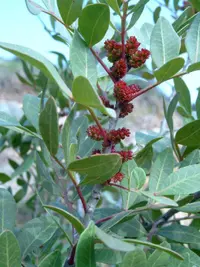
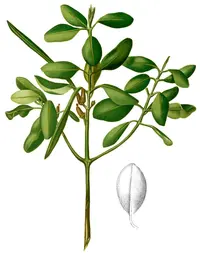
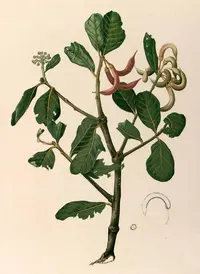
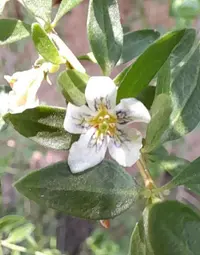
The mastic tree, Pistacia lentiscus, is an evergreen shrub or small tree from the Mediterranean region. It naturally forms a dense, rounded shape with many branching stems and small, leathery dark green leaves. Bark and leaves release a resin with a distinct scent when cut.
In its native habitat it grows on dry, rocky slopes and coastal areas, which makes it quite tolerant of drought, wind, and poor soils once established. These traits usually make care for mastic tree straightforward in warm, mild climates. It prefers full sun, well-drained soil, and only moderate watering after it is settled in the ground.

Care Difficulty
Easy Care

Light Preference
Full Sun

Water Requirements
Low Water

Temperature Preference
Warm Climate

Hardiness Zone
8–11

Soil Texture
Sandy, Loamy, Rocky

Soil pH
Slightly acidic (6.5–7.0), Slightly alkaline (7.0–7.5)

Soil Drainage
Well-drained

Fertilization
Minimal (feed rarely)
Scan your plant to receive care tips personalized for your specific plant
Available on iOS and Android
This Mediterranean shrub prefers bright, open conditions and stays most compact with ample sun exposure.
This drought-tolerant shrub needs infrequent, deep watering once established.
This species is adapted to warm, dry climates and copes with a moderate range of outdoor temperatures.
This species prefers relatively dry air and does not usually need humidity adjustment indoors or outdoors.
Pistacia lentiscus grows best in lean, mineral soils that drain quickly and stay airy around the roots.
This shrub can adapt well to containers when they are managed for strong roots and stable growth.
Pistacia lentiscus grows well in modest soils and only needs light feeding in containers or very poor ground.
Pruning Pistacia lentiscus helps maintain a dense, healthy framework and desired shape.
Mastic tree is usually grown in the ground, with container plants transplanted infrequently once established.
Pistacia lentiscus is most often propagated by semi-ripe cuttings or seeds under controlled conditions.
This evergreen shrub is quite cold tolerant in mild climates but needs some attention in colder areas.

Plant Health Check
Not sure what's wrong with your plant? Check your plant's health inside the app.
This species produces a unique aromatic resin called mastic, exuded from shallow cuts in the bark and hardening into translucent tears that have been used for centuries as a natural chewing gum and flavoring.
It is a dominant evergreen shrub in many lowland Mediterranean ecosystems, forming dense scrub that stabilizes soil, reduces erosion, and provides food and shelter for birds and insects through its fruits and dense branching.
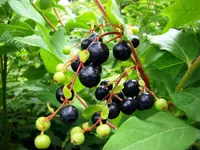
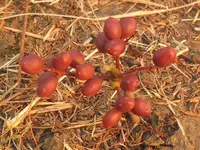
Pistacia lentiscus is dioecious, meaning individual plants are either male or female, so only female plants bear the small red fruits that mature to black when pollinated by nearby male plants.

Traditional mastic harvesting on the Greek island of Chios is so culturally and economically important that UNESCO has recognized the local mastic tree cultivation and resin processing as an element of Intangible Cultural Heritage.
Yes, this species adapts well to large containers with excellent drainage. Use a gritty, low-organic mix, avoid waterlogging, and prune lightly to maintain size. Container culture is a practical way to grow Pistacia lentiscus in cooler regions.
Keep your plants happy and healthy with plant identification, disease detection, and easy care guidance.