Caucasian Whortleberry Care (Vaccinium arctostaphylos)

Caucasian Whortleberry

About Caucasian Whortleberry

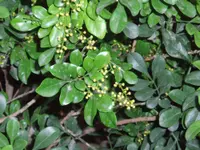
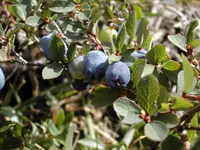
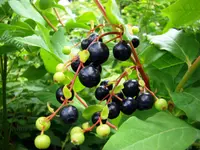
Caucasian whortleberry, Vaccinium arctostaphylos, is a deciduous shrub in the heath family, related to blueberries. It forms dense, bushy growth with oval leaves and dark purple to black berries. The plant occurs naturally in the mountain forests and subalpine regions of the Caucasus and nearby areas, where it grows in cool, moist, acidic habitats.

Its main ornamental and practical value comes from its edible berries and tolerance of cool climates. It can be moderately demanding, as it prefers acidic, humus-rich soil and steady moisture, and it resents drought or heavy, compacted ground. Gardeners who understand how to care for Caucasian Whortleberry usually succeed in temperate regions with similar conditions.

Main Plant Requirements

Care Difficulty

Moderate Care

Light Preference

Partial Shade

Water Requirements

Regular Water

Temperature Preference

Cold Hardy

Hardiness Zone

6–8

Soil Texture

Loamy, Peaty, Organic-rich

Soil pH

Strongly acidic (4.5–5.5)

Soil Drainage

Moist but well-drained

Fertilization

Minimal (feed rarely)

Get Personalized Care Plan

Scan your plant to receive care tips personalized for your specific plant

Available on iOS and Android

How to Care for the Caucasian Whortleberry

This shrub prefers cool, bright conditions with some protection from intense afternoon sun.

  • Provide 4–6 hours of direct morning sun with light afternoon shade; dappled light under high tree canopy suits Caucasian Whortleberry well.
  • In hotter regions, avoid harsh sun from 12–4 p.m. to prevent leaf scorch and dry, stressed roots; use shade cloth or nearby taller plants as protection.
  • In cooler climates, choose a site with full sun to light shade to support flowering and fruiting, ensuring winter shade does not overly reduce spring light.

This species prefers consistently moist, acidic soil without becoming waterlogged.

  • Water when the top 3–5 cm of soil feels slightly dry, aiming for evenly damp soil around the root zone rather than brief soak-and-dry cycles.
  • Use free-draining, humus-rich acidic soil so excess water can drain away; Vaccinium arctostaphylos is prone to root problems in heavy, compacted clay.
  • Reduce watering frequency in late fall and winter, but do not let soil fully dry; watch for dull, curling leaves (underwatering) or yellowing, soft leaves (overwatering).

This shrub is adapted to cool, mountainous climates and tolerates significant cold once established.

  • Aim for active growing-season temperatures around 60–75°F (16–24°C) to support steady shoot and root development.
  • Mature plants tolerate winter lows down to about 0°F (-18°C) or slightly lower, but young shrubs benefit from mulch around the root zone in colder areas.
  • In summer, growth may slow if temperatures exceed 85°F (29°C); provide mulch, good soil moisture, and some afternoon shade to limit heat stress.

This shrub prefers cool, moist air but usually manages in typical outdoor garden humidity.

  • Aim for 50–70% humidity in sheltered sites, avoiding very exposed, drying winds.
  • Leaves curling, browning at edges, or premature fruit drop can indicate air too dry or hot.
  • Increase humidity outdoors by mulching heavily and planting near other shrubs to reduce evaporation.

This species needs consistently moist, acidic, well-aerated soil to thrive and fruit reliably.

  • Use a loose, organic-rich, sandy loam that drains freely yet holds moisture, similar to ericaceous (acid-loving) mixes.
  • Target pH 4.5–5.5 for Vaccinium arctostaphylos, avoiding any liming materials that raise pH.
  • Blend pine bark fines, peat or coir, and sharp sand or perlite to improve both aeration and drainage.
  • Avoid heavy clay, compacted sites, or waterlogged spots that cause root rot and weak growth.

This species can grow successfully in containers if the pot setup supports its deep, fibrous root system.

  • Choose a tall, stable container at least 35–40 cm deep to allow strong anchoring roots and reduce tipping in wind.
  • Use a thick-walled or wooden pot in sunny locations to buffer rapid temperature and moisture swings around the roots.
  • Raise the pot on feet or bricks so drainage holes stay clear and excess water escapes quickly after heavy rain.

This shrub benefits from modest feeding on poor soils, but mature Caucasian Whortleberry in rich, acidic ground often needs little added fertilizer.

  • Use an acidic slow-release shrub or balanced NPK fertilizer at half strength in early spring as new growth begins.
  • On lean soils, repeat a light application in midsummer; avoid feeding after late summer to prevent soft, frost-tender growth.
  • Supplement with a thin layer of compost over the root zone annually, keeping it away from the main stem.
  • Always water before and after applying fertilizer to reduce root burn and improve nutrient uptake.

Vaccinium arctostaphylos responds well to light, targeted pruning that maintains an open, healthy framework.

  • Carry out main pruning in late winter or very early spring, before buds break.
  • Remove dead, diseased, crossing, or inward-growing branches with clean, sharp bypass pruners or loppers.
  • Thin crowded interior shoots to improve light penetration and air movement, which supports flowering and reduces disease.
  • Shorten overly long stems to shape the shrub naturally without creating harsh, boxy outlines.

This species is usually grown in the ground, so focus on careful transplanting more than frequent repotting.

  • Transplant in early spring or early fall when air is cool and soil is workable, avoiding hot, dry periods.
  • Look for signs such as slow growth, roots circling a pot, or the plant drying out quickly as indicators a container specimen needs a larger home.
  • Move to a wider, not much deeper, planting hole or pot filled with acidic, well-drained soil, keeping the root flare at soil level.
  • Reduce root stress by watering thoroughly before and after planting, firming soil gently, and shading or wind-sheltering the shrub for 1–2 weeks.

Vaccinium arctostaphylos is commonly propagated by semi-ripe cuttings and sometimes by seed for breeding or restoration work.

  • Take semi-ripe cuttings in mid to late summer, 8–10 cm long, from healthy, non-flowering shoots.
  • Remove lower leaves, dip the base in rooting hormone, and insert into a moist, free-draining, acidic medium such as peat-free ericaceous mix with perlite.
  • Maintain high humidity and gentle bottom warmth around 68–72°F with bright, indirect light until roots form.
  • Sow seeds in late fall or winter, using cold stratification if needed, then keep evenly moist in acidic seed compost.

This shrub is generally cold hardy in temperate climates and usually needs only basic winter care.

  • Plants in the ground tolerate typical frosts once established, provided drainage is good and soil is not waterlogged.
  • Apply a 5–8 cm mulch of leaf mold, bark, or pine needles over the root zone in late fall, keeping it clear of the stem.
  • In very cold or exposed sites, shelter young plants with a breathable fabric wrap or windbreak to reduce stem damage.
  • Move container-grown shrubs into a sheltered, unheated spot and ensure pots do not sit in frozen, saturated soil.

Care Tips

Mulch For Roots

Apply a 5–8 cm layer of pine bark or conifer needles around the root zone each spring to keep the shallow roots cool, conserve moisture, and maintain slightly acidic surface conditions.

Berry Load Management

On young shrubs, remove about 30–50% of flower clusters in early spring so the plant directs more energy into root and framework development, which improves yield and berry size in later years.

Snow And Wind Support

In exposed sites, use low windbreak netting or a simple stake-and-twine loop to support flexible branches against heavy snow and strong winter winds that can split or distort the shrub.

Targeted Pest Monitoring

From late spring, inspect new growth and the underside of leaves every 7–10 days for aphids, caterpillars, and leaf spots, and remove affected shoots early to avoid larger outbreaks that are harder to control.

Post-Harvest Recovery

After the main harvest, water deeply once or twice during dry spells and add a light top-dressing of composted bark fines to help the shrub rebuild reserves, which supports consistent fruiting when growing Caucasian Whortleberry.

Common Pests and Diseases

Blueberry leaf spot

This disease causes small, circular tan to dark-brown spots on leaves that can merge and lead to premature leaf drop, especially in humid conditions.

Solution

Remove and discard heavily spotted leaves, keep the canopy open with careful pruning for better airflow, and avoid overhead watering; in regions with a history of disease, apply a registered fungicide for blueberries at bud break and repeat according to label directions if wet weather persists.

Botrytis fruit rot

This disease leads to soft, watery berries that develop gray, fuzzy mold, especially during cool, damp weather near harvest.

Solution

Promptly remove and discard infected berries, thin branches to improve airflow, avoid wetting fruit when irrigating, and in high-pressure areas use a preventive bloom-time fungicide labeled for blueberry to limit infection on flowers and young fruit.

Blueberry aphids

These insects cluster on young shoots and the undersides of leaves, sucking sap and causing leaf curling, distortion, and sticky honeydew that can attract sooty mold.

Solution

Spray colonies off with a strong stream of water, encourage or introduce natural predators such as lady beetles, and if populations remain high, treat young growth with an insecticidal soap or horticultural oil, ensuring thorough coverage of leaf undersides.

Blueberry maggot

This pest is the larval stage of a small fly whose maggots tunnel inside ripening berries, causing internal breakdown and fruit drop or collapse after picking.

Solution

Use yellow sticky traps or baited traps to monitor adult flies, promptly remove and destroy infested or fallen fruit, and where this pest is established, apply a targeted insecticide timed to adult fly emergence according to local extension recommendations for Vaccinium arctostaphylos care instructions.

Mummy berry

This disease infects flowers and young shoots, then turns berries into hard, shriveled, pale structures that resemble small mummies instead of normal fruit.

Solution

Rake up and destroy all mummified berries on the ground before bud break, apply a fresh layer of mulch to bury remaining mummies, prune to keep bushes open and dry quickly after rain, and in areas with known history use a preventive fungicide program starting at early bud swell following local blueberry guidelines.

Interesting Facts

Caucasus forest specialist

This species is native to moist, cool mountain forests of the western Caucasus, where it often grows under beech and hornbeam canopies on acidic, humus-rich soils.

Unusually tall bilberry

Unlike many dwarf Vaccinium shrubs, it can form bushes over 2 m tall, creating a distinct berry layer in Caucasian woodland understories.

Bird-dispersed berries

Its dark berries are an important late-season food source for birds in the Caucasus region, which then disperse the seeds across forest and subalpine habitats.

Botan icon

Did you know?

Genetic and morphological studies indicate that this species is closely related to the European bilberry (Vaccinium myrtillus) yet remains a distinct Caucasus-endemic taxon, reflecting long-term isolation in that mountain region.

FAQs about Caucasian Whortleberry

Growth is generally slow to moderate. Young plants establish roots first, then add 10–20 cm of shoot growth per year under good conditions. Poor soil preparation, drought, or high pH can reduce this rate noticeably.

Grow Healthy Plants with Botan Care

Keep your plants happy and healthy with plant identification, disease detection, and easy care guidance.

Botan plant care app — identify plants on mobile

Explore More Plants