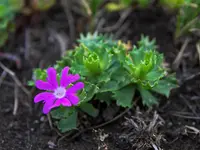
Texas swampmallow Care (Pavonia lasiopetala)

Also known as: Rose pavonia, Rock rose
Texas swampmallow

About Texas swampmallow

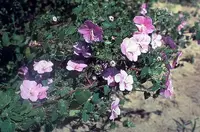
Texas swampmallow (Pavonia lasiopetala) is a compact, shrubby perennial in the mallow family, valued for its long season of pink, hibiscus-like blooms. It typically forms a bushy clump with softly hairy leaves and upright stems, giving a light, informal look in garden borders or native-style plantings.

This species is native to Texas and northern Mexico, where it grows in sunny, open areas and along dry stream banks. Its drought tolerance and general toughness make it relatively simple to care for Texas swampmallow in many warm, low-maintenance landscapes.

It grows best in full sun, with well-drained soil and moderate moisture, but usually copes well with heat and brief dry periods once established.

Main Plant Requirements

Care Difficulty

Easy Care

Light Preference

Full Sun

Water Requirements

Moderate Water

Temperature Preference

Warm Climate

Hardiness Zone

7–10

Soil Texture

Sandy, Loamy, Clay

Soil pH

Slightly acidic (6.5–7.0), Neutral (7.0)

Soil Drainage

Well-drained

Fertilization

Minimal (feed rarely)

Get Personalized Care Plan

Scan your plant to receive care tips personalized for your specific plant

Available on iOS and Android

How to Care for the Texas swampmallow

This sun-loving shrub needs several hours of direct light daily to flower well.

  • Provide 6–8 hours of direct sun, with morning sun and light afternoon shade ideal in hot regions for Texas swampmallow.
  • Plant in a site with unobstructed eastern or southern exposure; it tolerates light dappled shade but may bloom less and grow leggier.
  • Watch for leaf scorch, crisp edges, or wilting in intense afternoon sun, and sparse flowering or stretched stems when light is insufficient.

This species prefers evenly moist, well-drained soil and handles short dry spells once established.

  • Water when the top 3–5 cm of soil feels dry, soaking the root zone deeply rather than applying frequent light splashes.
  • Increase watering during hot, dry weather and flowering; reduce in cool seasons while preventing the soil from staying soggy.
  • Pavonia lasiopetala shows underwatering through drooping, dull leaves, while yellowing, soft stems or a sour soil smell indicate overwatering and poor drainage.

This plant thrives in warm climates and tolerates both summer heat and mild winter cold.

  • Optimal growth occurs around 70–90°F (21–32°C); flowering is strongest under consistently warm conditions with full growing-season sun.
  • It tolerates brief drops to about 20°F (-6°C), but repeated hard freezes or freezing wet soil can damage stems and roots.
  • In regions with hot summers above 95°F (35°C), provide afternoon shade and reliable soil moisture to limit heat stress and leaf scorch.

This species handles a broad humidity range but benefits from moderate air moisture.

  • Aim for 30–50% humidity; normal indoor levels are usually adequate for Texas swampmallow.
  • Dry indoor air can cause curled leaf edges and slower growth, especially near heating or strong drafts.
  • Increase humidity by grouping plants, placing a water tray with pebbles nearby, or using a small room humidifier if air is very dry.

This plant prefers well-structured, free-draining soil that does not stay wet for long periods.

  • Use a loose, sandy or loamy mix, such as 50–60% standard potting mix with 20–30% coarse sand and 10–20% perlite for drainage.
  • Aim for slightly acidic to neutral pH, roughly 6.0–7.0, which suits Pavonia lasiopetala root function and nutrient uptake.
  • Improve aeration by avoiding compaction and by mixing in coarse materials rather than fine, water-retentive peat alone.
  • Avoid heavy clay, poorly drained spots, or containers without drainage holes, since prolonged saturation promotes root rot and weak growth.

This species adapts well to container growing outdoors in mild to warm climates.

  • Choose a container at least 30–35 cm wide to support its spreading, shrubby habit and allow room for root expansion.
  • Use a heavier clay or ceramic pot if the plant grows tall and bushy, to reduce tipping in wind or on balconies.
  • Elevate the pot slightly on feet or bricks so drainage holes stay clear and excess water escapes quickly after rain or watering.

Pavonia lasiopetala is modest in its nutrient needs but responds well to light feeding in poor or very sandy soils.

  • Use a balanced, slow-release fertilizer (for example 10-10-10) or a thin layer of compost in early spring.
  • Feed once at spring growth, and again mid-summer only if foliage pales or flowering declines.
  • Apply at half the label rate for landscape perennials to avoid soft, weak growth.
  • Do not fertilize in late fall or winter, as the plant is semi-dormant and excess nutrients are wasted.

Pruning helps Pavonia lasiopetala stay compact, leafy, and free-flowering.

  • Use clean, sharp hand pruners to remove dead, broken, or diseased stems whenever noticed.
  • In late winter or very early spring, cut back leggy or crowded stems by about one-third to shape the plant.
  • Deadhead spent flowers and seed pods through the warm season to encourage more blooming.
  • Avoid cutting into very old, woody bases; instead, thin a few of the oldest stems at ground level.

This species is usually grown in the ground, so transplanting young plants correctly matters more than frequent repotting.

  • Transplant in early spring or early fall when temperatures are mild and soil is workable.
  • Look for signs like roots circling the pot, dry-out very fast, or stalled growth as cues to shift to a larger container or garden bed.
  • Move up only 1 pot size, loosen circling roots gently, and keep the root ball intact to limit shock.
  • Water thoroughly after planting, then keep soil evenly moist for 1–2 weeks to help roots establish.

Pavonia lasiopetala is commonly propagated by softwood cuttings and seeds when warmth and moisture are stable.

  • Take 8–10 cm softwood cuttings in late spring to early summer, removing lower leaves.
  • Insert cuttings into a moist, free-draining mix under bright, indirect light and high humidity until rooted.
  • Sow fresh seed in spring, just covered, at 70–75°F, keeping the mix slightly moist.
  • Label each batch and discard weak or diseased seedlings to build a strong planting.

This shrub is fairly cold tolerant in mild climates but benefits from some root-zone protection in colder areas.

  • Hardy roughly to USDA zone 7–8, but top growth may die back after hard freezes while roots survive.
  • Apply a 5–8 cm mulch layer around the base in late fall, keeping it slightly away from stems.
  • In regions with severe freezes, grow in containers and move plants into a bright, cool, frost-free spot.

Care Tips

Encourage Bushy Form

Pinch back soft stem tips in late spring and early summer to promote a denser, branching habit and more flower buds instead of tall, leggy growth.

Light Mulch Management

Apply a 2–5 cm layer of bark or shredded wood mulch around, but not touching, the stems to stabilize soil temperature and moisture, then pull it back slightly in early spring to let the soil warm up faster.

Strategic Renewal Pruning

Every 2–3 years, remove 1–3 of the oldest, thickest stems at the base in late winter to rejuvenate growth and maintain a vigorous, floriferous plant.

Heat-Stress Planning

In very hot inland sites, position plants where they receive morning sun and light afternoon shade from a fence or taller shrubs to reduce flower drop during heat spikes when growing Texas swampmallow.

Low-Stakes Support

In windy locations, use short, unobtrusive ring stakes or low shrubs as living supports to keep long flowering stems upright and reduce breakage without making the plant look tied down.

Common Pests and Diseases

Spider mites

This pest is common in hot, dry conditions and can build up on the undersides of leaves, causing stippling, bronzing, and fine webbing on Texas swampmallow foliage.

Solution

Spray leaf undersides thoroughly with a strong stream of water every few days, then apply insecticidal soap or a horticultural oil labeled for spider mites, repeating as needed and improving humidity and air movement around the plant to reduce reinfestation.

Cotton aphids

These insects cluster on tender stems and flower buds, sucking sap and leaving sticky honeydew that can attract ants and promote sooty mold growth.

Solution

Rinse infested shoots with water to dislodge colonies, then spot-treat remaining aphids with insecticidal soap or neem oil, checking the plant weekly and encouraging natural predators such as lady beetles in garden settings.

Whiteflies

This pest often gathers on the undersides of leaves, flying up in a small cloud when the plant is disturbed and causing leaf yellowing and reduced vigor through sap feeding.

Solution

Use yellow sticky traps to monitor and reduce adult populations, spray leaf undersides with insecticidal soap or horticultural oil on cool, overcast days, and repeat applications every 5–7 days until new flushes of adults are no longer seen.

Leaf spot

This disease causes circular to irregular brown spots on leaves that may have purple or dark borders, leading to premature yellowing and drop of older foliage in humid or wet conditions.

Solution

Remove and discard affected leaves, water at the base to keep foliage dry, improve spacing and airflow, and, if spots continue to spread in wet weather, apply a copper- or chlorothalonil-based fungicide according to label directions.

Powdery mildew

This disease appears as a white, powdery coating on upper leaf surfaces, which can distort new growth and reduce flowering in crowded or shaded plantings.

Solution

Increase sun exposure and airflow, avoid overhead watering, prune to open dense growth, and treat early infections with a labeled fungicide such as sulfur, potassium bicarbonate, or neem oil, repeating as directed until new growth remains clean.

Interesting Facts

Texas native mallow

This shrub is native to central and western Texas and adjacent northern Mexico, where it naturally occurs in dry, rocky sites and open scrub rather than wetlands, despite the common name Texas swampmallow.

Long flowering season

It can produce its pink, hibiscus-like flowers from late spring through fall in mild climates, providing an unusually long blooming window for a small shrub in the mallow family.

Resilient to drought

Once established in the ground, it tolerates hot, dry conditions and poor, alkaline soils, reflecting its adaptation to the rugged landscapes of its native Texas range.

FAQs about Texas swampmallow

Lack of blooms usually comes from too much shade, excessive nitrogen fertilizer, or pruning at the wrong time, which removes flower buds. Older, woody stems may also flower less and benefit from periodic renewal pruning.

Grow Healthy Plants with Botan Care

Keep your plants happy and healthy with plant identification, disease detection, and easy care guidance.

Botan plant care app — identify plants on mobile

Explore More Plants