Queen Victoria's Dendrobium Care (Dendrobium victoriae-reginae)

Queen Victoria's Dendrobium

About Queen Victoria's Dendrobium

Dendrobium victoriae-reginae, commonly called Queen Victoria's dendrobium, is a compact epiphytic orchid that typically grows on trees in cool, moist highland forests. It is valued for its slender canes and striking violet to purple flowers that appear in clusters along the stems.

This species is native to the mountainous regions of the Philippines, where it experiences bright filtered light, frequent mist, and good air movement. Its need for cool to intermediate temperatures and consistent humidity makes it slightly more demanding than many beginner orchids, but stable indoor conditions can still support healthy growth.

Understanding how to care for Queen Victoria's Dendrobium starts with providing bright indirect light, good drainage, and regular moisture without letting the roots stay waterlogged.

Main Plant Requirements

Care Difficulty

Hard Care

Light Preference

Bright Indirect Light

Water Requirements

Moderate Water

Temperature Preference

Tropical / Frost Sensitive

Hardiness Zone

Unknown

Soil Texture

Rocky, Organic-rich

Soil pH

Strongly acidic (4.5–5.5)

Soil Drainage

Well-drained

Fertilization

Moderate (every 2–4 weeks)

Get Personalized Care Plan

Scan your plant to receive care tips personalized for your specific plant

Available on iOS and Android

How to Care for the Queen Victoria's Dendrobium

This cool-growing epiphytic orchid prefers bright, gentle light rather than intense sun.

  • Provide 4–6 hours of bright, filtered light daily, such as dappled sun under a tree canopy or shade cloth of 40–60%.
  • Allow soft morning sun but protect from strong midday and afternoon sun, which can cause yellowing leaves, reddish scorch, and shriveled canes.
  • In winter, when day length is shorter, move Queen Victoria's Dendrobium to a brighter position to maintain compact growth and good flowering.

This species prefers evenly moist but never waterlogged conditions during active growth.

  • Water when the top 2–3 cm of the potting mix or mounting material feels just barely dry, then soak thoroughly so excess drains away quickly.
  • In spring and summer, increase watering frequency as roots turn silvery and canes plump; reduce in autumn–winter while keeping canes from wrinkling.
  • Watch for soft, blackened roots or a sour smell as signs of overwatering, and for shriveled, accordion-like leaves as a signal of underwatering; always use a sharply draining orchid mix.

This orchid is a cool- to intermediate-growing species that dislikes temperature extremes.

  • Aim for 55–75°F (13–24°C) most of the year, with ideal growth around 60–70°F (16–21°C) and slightly cooler nights to support flowering.
  • Protect from cold below 45°F (7°C); brief dips to 40°F (4°C) may be tolerated if dry, but repeated exposure or frost will damage leaves and canes.
  • In hotter periods above 80°F (27°C), increase air movement and humidity, provide deeper shade, and avoid placing plants near heat-reflective surfaces that can overheat roots.

This cloud-forest orchid needs consistently high humidity to thrive indoors and in greenhouses.

  • Aim for 60–80% humidity; below 50% often leads to shriveled pseudobulbs and limp, folded leaves.
  • Tolerates brief dips in humidity, but prolonged dry air increases leaf tip burn and bud blast.
  • Use grouped plants, trays with water and stones, or a fine cool-mist humidifier to maintain suitable humidity for Queen Victoria's Dendrobium.

This epiphytic orchid requires a very open, fast-draining medium rather than traditional potting soil.

  • Use a chunky orchid mix with medium-fine bark, perlite or pumice, and a little sphagnum moss to retain light moisture around the roots.
  • Ensure the mix is airy enough that water drains through in seconds and roots receive plenty of oxygen, preventing rot.
  • Keep pH slightly acidic to neutral (about 5.5–6.5), which suits most orchid bark-based mixes.
  • Replace or refresh compacted or decomposed components to maintain structure, drainage, and aeration for Dendrobium victoriae-reginae.

This species is well suited to container growing, especially in small pots or baskets that allow rapid drainage.

  • Choose a narrow, relatively deep pot so the fine roots are snug but not cramped, which stabilizes the upright canes.
  • Use slotted or basket-style containers to keep the medium airy and allow rapid evaporation after watering.
  • Select clay or other porous materials when extra moisture loss is needed, or plastic when the environment is already dry, to fine-tune root-zone moisture.

This epiphytic orchid benefits from light, consistent feeding during its active growth but is sensitive to excess salts.

  • Use a balanced orchid fertilizer (around 20-20-20) at 1/4–1/2 strength in water, formulated for epiphytes.
  • Feed every 2–3 weeks in spring and summer, alternating with plain water flushes to prevent salt buildup.
  • In autumn, reduce feeding to monthly, and in winter or rest periods, limit to very light feeding or pause entirely.
  • For caring for Queen Victoria's Dendrobium, avoid compost or heavy slow-release products that can burn roots in bark media.

Dendrobium victoriae-reginae needs minimal pruning, mainly to maintain plant health and flowering performance.

  • Best time for pruning is after flowering, once spent blooms fade and canes harden.
  • Remove only dead, shriveled, or blackened canes and damaged leaves using clean, sharp scissors or pruning snips.
  • Leave firm, green or slightly yellowed canes intact, as they often store reserves and may rebloom or support new growth.
  • Trim old flower spikes just above the node where they emerged, avoiding cuts into healthy pseudobulbs.

This orchid prefers tight conditions and infrequent repotting, which should be done only when necessary to avoid stress.

  • Look for crowded roots climbing out of the pot, sour smell, or decomposed bark as signs it needs new media.
  • Plan to repot every 2–3 years in late winter to early spring, just before new roots emerge.
  • Gently loosen the root mass, remove rotted roots, and shift into a slightly larger pot with fresh, free-draining orchid bark.
  • Keep the plant shaded and slightly drier for 7–10 days after repotting to let cuts callus and reduce transplant shock.

This species is usually propagated vegetatively by division or keikis rather than from seed, which is highly specialized.

  • Divide mature clumps in late winter to early spring, ensuring each division has at least 3–4 healthy canes and active roots.
  • Separate keikis (small plantlets on canes) once they show several roots at least 3–4 cm long.
  • Pot divisions or keikis into fine to medium orchid bark, keeping humidity high (60–80%) and light bright but indirect.
  • Maintain stable warmth (65–80°F) and avoid heavy watering until new roots anchor, then gradually return to normal care.

This orchid is frost-sensitive and must spend winter in a protected, cool to intermediate environment.

  • Move container plants indoors or into a greenhouse before temperatures drop below 50°F, avoiding any frost exposure.
  • Provide bright, indirect light and good air movement, keeping temperatures around 55–65°F at night and slightly warmer by day.
  • Water sparingly in winter, allowing the media to dry more between waterings while preventing complete desiccation of canes.
  • Do not mulch or bury pseudobulbs; instead, focus on stable indoor conditions and protection from cold drafts.

Care Tips

Cool-night boost

Shift the plant to a slightly cooler, well-ventilated spot at night for 4–6 weeks at the start of its growth season to encourage stronger canes and better flowering response.

Mounted culture option

If grown mounted on cork or hardwood, wrap the roots in a thin layer of long-fiber sphagnum and mist lightly once or twice daily, which closely replicates its epiphytic habit and improves root health in warm, airy setups.

Targeted air movement

Position a small oscillating fan on a low setting so air just gently moves the leaves, which reduces fungal spotting on canes and flowers while helping the roots dry predictably after watering.

Bloom support staking

Insert thin bamboo or fiberglass stakes beside developing canes and secure them loosely with soft ties so that long, flower-laden stems stay upright and are less likely to snap under their own weight.

Water-quality management

Use low-mineral water (rain, distilled, or reverse-osmosis) and flush the pot or mount thoroughly once a month to prevent salt buildup on roots, which is critical for long-term success when caring for Queen Victoria's Dendrobium.

Common Pests and Diseases

Scale insects

This pest often hides along canes and leaf bases, sucking sap and causing yellowing, stunting, and sticky honeydew on the plant. Symptoms include weakened canes and sooty mold growing on the sugary deposits.

Solution

Isolate the plant, then wipe canes and leaf bases with cotton pads dipped in 70% isopropyl alcohol to remove visible insects and honeydew. Follow up with repeated applications of a horticultural oil spray every 7–10 days, improve air movement around the plant, and avoid overfertilizing, which encourages soft, vulnerable growth.

Spider mites

These insects thrive in warm, dry indoor air and can cause fine stippling, dull leaves, and delicate webbing on undersides of the narrow leaves. Symptoms include progressive leaf bronzing and premature leaf drop if not controlled.

Solution

Increase humidity to above 50%, rinse foliage thoroughly under lukewarm running water, and gently wipe leaf undersides. Apply a miticidal soap or horticultural oil to both leaf surfaces every 5–7 days for several cycles and maintain better air circulation as part of ongoing Dendrobium victoriae-reginae care instructions.

Mealybugs

This pest appears as white, cottony clusters in leaf axils, on roots, and at nodes along the canes, where it feeds on sap and weakens the plant. Symptoms include distorted new growth, sticky honeydew, and possible secondary sooty mold.

Solution

Remove visible colonies with cotton swabs dipped in 70% isopropyl alcohol, then flush the plant and potting media with lukewarm water to dislodge hidden insects. Repeat alcohol spot-treatments weekly, inspect roots during repotting, and use an insecticidal soap or systemic insecticide labeled for orchids if infestations persist.

Bacterial soft rot

This disease causes rapidly spreading, watery, foul-smelling lesions on canes and sometimes leaves, especially in warm, humid, stagnant air. Symptoms include translucent patches that quickly collapse into mushy tissue.

Solution

Immediately cut away all affected tissue with a sterile blade, dust cuts with powdered cinnamon or a copper-based bactericide, and discard severely infected plants. Reduce overhead watering, keep foliage dry, improve spacing and airflow, and avoid water remaining in leaf axils or crown areas, especially in cool conditions.

Fusarium wilt

This disease is favored by chronic overwatering or contaminated tools and leads to internal cane discoloration, shriveling pseudobulbs, and gradual decline despite watering. Symptoms include poor root function, purple to brown vascular streaks inside canes, and failure of new growths to mature.

Solution

Remove and discard all affected canes and severely damaged roots, sterilizing cutting tools between every cut, and repot the plant into fresh, free-draining orchid bark. Improve watering practices by allowing the medium to approach dryness between waterings, increase air movement around roots, and avoid reusing old, contaminated potting media or pots without thorough disinfection.

Interesting Facts

Naturally epiphytic orchid

This species usually grows as an epiphyte, anchoring its roots on mossy tree trunks and branches in high-elevation cloud forests of Luzon in the Philippines, rather than in soil.

Cool-growing cloud specialist

It is native to elevations around 1,300–2,400 m, where temperatures are cool and humidity is consistently high, so it has adapted to strong light combined with cool, moist air.

Distinctive violet-blue flowers

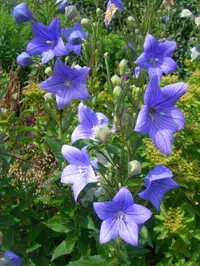
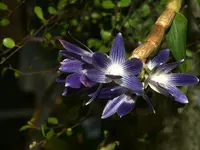
The flowers are notable for their rich violet to bluish-purple petals and sepals with a contrasting white lip, a color combination that makes the species highly recognizable among Philippine dendrobiums.

Botan icon

Did you know?

The species name victoriae-reginae was chosen to honor Queen Victoria, reflecting the historical practice of naming striking new orchid discoveries after prominent European figures during the 19th-century orchid-collecting era.

FAQs about Queen Victoria's Dendrobium

Lack of blooms usually comes from insufficient light, no cooler drier rest, or plants that are still immature. Provide a slight winter temperature drop, lighter watering, and steady fertilizer during growth to support future flowering cycles.

Grow Healthy Plants with Botan Care

Keep your plants happy and healthy with plant identification, disease detection, and easy care guidance.

Botan plant care app — identify plants on mobile

Explore More Plants