largeleaf geigertree Care (Cordia sebestena)

Also known as: Broadleaf, Geiger Tree, Scarlet Cordia
largeleaf geigertree

About largeleaf geigertree

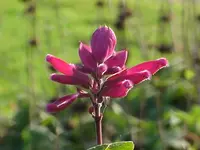
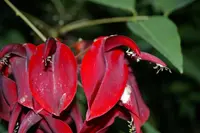
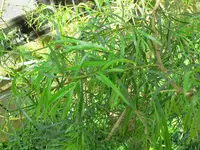
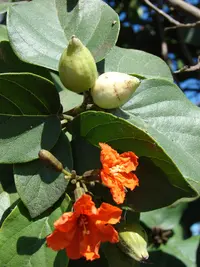
The largeleaf geigertree, Cordia sebestena, is a small evergreen tree or large shrub valued for its bright orange flowers and dense, rounded crown. It typically has coarse, large leaves and a naturally spreading habit that provides reliable shade in warm climates.

This species is native to the Caribbean and parts of tropical America and is widely used as a landscape tree in coastal and frost-free areas. It is considered relatively easy to grow where temperatures stay warm, thanks to its tolerance of salt spray, wind, and poor, sandy soils.

It prefers full sun, moderately dry conditions, and well-drained soil. These traits shape the basic approach to how to care for largeleaf geigertree in gardens or streetscapes.

Main Plant Requirements

Care Difficulty

Easy Care

Light Preference

Full Sun

Water Requirements

Moderate Water

Temperature Preference

Tropical / Frost Sensitive

Hardiness Zone

10–11

Soil Texture

Sandy, Loamy, Rocky

Soil pH

Slightly acidic (6.5–7.0), Neutral (7.0)

Soil Drainage

Well-drained

Fertilization

Minimal (feed rarely)

Get Personalized Care Plan

Scan your plant to receive care tips personalized for your specific plant

Available on iOS and Android

How to Care for the largeleaf geigertree

Cordia sebestena thrives in strong, direct light suited to its coastal, tropical origin.

  • Provide 6–8 hours of full sun daily; morning and midday sun promote dense foliage and frequent flowering.
  • Accepts light partial shade, especially with some protection from intense late afternoon sun in very hot inland sites.
  • In too much shade it becomes leggy and flowers sparsely, while reflected heat from pavement can scorch leaves, so allow some airflow and avoid heat-trap corners.

This species prefers consistent moisture during establishment, then moderate watering once roots are deep.

  • Outdoors in the ground, allow the top 5–8 cm of soil to dry before deep watering, then soak the root zone rather than sprinkling lightly.
  • Use fast-draining, sandy or loamy soil; water less on heavy clay to avoid root rot, and never leave the base standing in water.
  • In hot, dry weather, watch for wilting or dull, folding leaves as a cue to water, while yellowing leaves and soft stems suggest overwatering.

This coastal tree prefers warm, frost-free conditions for reliable growth and flowering.

  • Ideal growth occurs around 70–90°F (21–32°C), with flowering most consistent where nights stay above about 60°F (16°C).
  • Cordia sebestena tolerates brief heat up to 95–100°F (35–38°C) if soil is not dry and roots are mulched to limit temperature swings.
  • It is very frost-sensitive; tissue damage often begins near 32°F (0°C), and repeated exposure below 30°F (−1°C) can kill young trees, so choose frost-free sites.

Cordia sebestena tolerates a wide humidity range but benefits from moderately humid air in hot conditions.

  • Aim for 40–60% humidity; the plant usually handles brief dips lower without damage.
  • Dry indoor air may cause leaf edge browning, curling, or premature leaf drop, especially in heated rooms.
  • Increase humidity by grouping plants, placing containers over pebble trays with water below the pot base, or using a small humidifier nearby.

Cordia sebestena thrives in light, sharply drained soil that does not stay wet after watering or rain.

  • Use a sandy or sandy-loam mix with coarse particles that keep the root zone airy and prevent compaction.
  • Aim for slightly acidic to neutral pH, around 6.0–7.5, which suits this species well.
  • Blend roughly 50–60% coarse sand with 20–30% compost and 10–20% perlite to balance drainage and nutrient retention.
  • Avoid heavy clay, peat-heavy, or constantly wet substrates, which promote root suffocation and rot.

This species can be grown in large containers, especially in warm climates or where in-ground planting is not possible.

  • Choose a deep, wide pot to accommodate its fast, woody root system and reduce tipping in strong wind.
  • Use a heavy container material, such as ceramic or concrete, to stabilize the top-heavy canopy as it matures.
  • Elevate the pot slightly on feet or spacers so drainage holes stay clear and runoff water exits quickly.

Cordia sebestena benefits from light, targeted feeding but often grows acceptably in lean, well-drained soil.

  • Use a balanced slow-release fertilizer (around 10-10-10) or well-aged compost at the start of spring.
  • Feed container or young trees every 6–8 weeks during the warm growing season only.
  • Apply fertilizer at half the label rate for sandy soils to limit salt buildup and root burn.
  • Stop feeding in late summer so new growth hardens before cooler weather; do not fertilize in winter.

Pruning Cordia sebestena helps maintain structure, clearance, and reliable flowering.

  • Carry out main pruning in late winter to early spring before vigorous new growth starts.
  • Remove dead, diseased, crossing, or storm-damaged branches using clean, sharp bypass pruners or loppers.
  • Thin crowded interior shoots to improve light penetration and air movement through the canopy.
  • Shorten or remove awkward or low limbs to develop a single or few strong leaders and a balanced crown.

Transplanting this tree is more common than repotting, as it is usually grown in the ground rather than as a long-term container specimen.

  • Look for roots circling the pot, water running straight through, or noticeably slowed growth as signals to move up a container size.
  • Schedule transplanting or planting out in late spring to early summer, once soil is warm and frost risk has passed.
  • Plan on shifting container-grown plants every 2–3 years until they reach a stable landscape position.
  • Water deeply before and after moving, keep the root ball intact, and shade the canopy temporarily to reduce transplant shock.

Propagation of Cordia sebestena is possible but somewhat specialized for home growers.

  • Use semi-hardwood cuttings in late spring to mid-summer, taken from non-flowering shoots 10–15 cm long.
  • Remove lower leaves, dip the base in rooting hormone, and place in a sterile, well-drained medium under high humidity and bright shade.
  • Sow fresh seeds in warm conditions around 75–85°F, in a gritty mix, and keep consistently but lightly moist.
  • Provide bottom heat, gentle air movement, and patience, as rooting and germination can be slow and uneven.

This tropical tree has low frost tolerance and needs planning in cooler climates, especially for largeleaf geigertree grown outside its preferred zones.

  • In regions below USDA zone 10, grow in containers so plants can be moved indoors before temperatures drop under 40°F.
  • For in-ground plants in marginal areas, add a 5–8 cm mulch layer over the root zone, keeping it off the trunk.
  • Use frost cloth or similar coverings on young trees during short cold snaps, especially on clear, still nights.
  • Place overwintered container plants in a bright, frost-free space and water sparingly while growth is slow.

Care Tips

Trunk Training

Select a single strong leader while the plant is young, remove competing upright shoots, and lightly stake if needed so the tree develops a stable central trunk that resists wind breakage later.

Wind-Smart Placement

In coastal or open sites, position the tree where buildings or taller trees break prevailing winds, or install a temporary windbreak for the first 2–3 years to reduce limb snapping and root rock while it establishes.

Salt Management

If planted near roads or ocean spray, occasionally hose down foliage and the soil surface after salty storms to wash off accumulated salt and reduce leaf burn and soil salinity stress.

Root Flare Protection

Keep mulch pulled back 5–8 cm from the trunk base so the root flare stays visible and dry, which helps prevent rot and discourages girdling roots that can weaken the tree over time.

Flower Litter Planning

Site the tree away from pools, drains, and patios where heavy flower drop can stain or clog surfaces, or plan a mulched bed beneath the canopy to collect and easily rake up spent blooms when caring for largeleaf geigertree.

Common Pests and Diseases

Spiraling whitefly

This pest causes heavy honeydew, black sooty mold growth, leaf yellowing, and premature leaf drop on largeleaf geiger trees. These insects are commonly found on the undersides of leaves in warm, humid regions where this species is grown.

Solution

Prune and dispose of heavily infested leaves, then wash remaining foliage with a strong stream of water to reduce adults, nymphs, and honeydew. Introduce or conserve natural enemies where possible, and if needed use horticultural oil or insecticidal soap thoroughly on leaf undersides, repeating applications according to label directions.

Geiger tortoise beetle

This pest feeds on the foliage, creating patchy or skeletonized leaves and general thinning of the canopy. Damage is often most visible on new, tender growth of Cordia trees in coastal landscapes.

Solution

Hand-pick beetles where practical and remove severely damaged leaves to reduce population build-up. For heavier infestations, use targeted foliar treatments such as spinosad or pyrethrin-based products applied in the early morning or late afternoon, focusing on actively feeding areas and following local label restrictions.

Leaf spot

This disease produces brown to dark lesions on leaves, sometimes with yellow halos, leading to thinning foliage and reduced vigor in humid or rainy conditions. Symptoms include scattered spots that may coalesce and cause partial leaf blight.

Solution

Remove and discard infected leaves from the plant and from the ground to limit spore spread, and avoid overhead watering that keeps foliage wet. Improve air circulation around the canopy through selective pruning, and if spotting continues in wet seasons, apply a copper-based fungicide according to label instructions as a preventative measure.

Sooty mold

This disease appears as a black, powdery to velvety coating on leaves and stems, developing on the sugary honeydew excreted by pests like whiteflies and scale insects. Symptoms include dull, darkened foliage and reduced photosynthesis, though the fungus itself does not invade plant tissues.

Solution

First control the underlying sap-sucking insects using methods such as horticultural oils, insecticidal soaps, or biological control. Once honeydew production is reduced, gently wash affected leaves with water and a mild soap solution to remove the fungal coating and improve light penetration.

Interesting Facts

Native coastal specialist

This species is native to coastal areas of the Caribbean and parts of Central America and is naturally adapted to alkaline, sandy, and even salty soils, which is why it performs well in seaside landscapes in Florida and similar climates.

Nectar for butterflies

The bright orange tubular flowers produce nectar that attracts butterflies and other pollinators for much of the year in warm climates, making it an important ornamental nectar source in coastal gardens.

Evergreen in the tropics

In frost‑free tropical and subtropical regions, this species remains evergreen and can flower almost year‑round, while in cooler or marginal climates it may slow growth and reduce flowering in response to lower temperatures.

Botan icon

Did you know?

Cordia sebestena was mentioned in early botanical works from the 17th and 18th centuries as a notable ornamental tree from the West Indies, which helped introduce it into cultivation in European and later North American coastal gardens.

FAQs about largeleaf geigertree

This coastal tree becomes large, needs intense sun, and drops leaves and flowers, so it is not ideal indoors long term. It may be kept as a small container specimen in a bright sunroom in warm climates.

Grow Healthy Plants with Botan Care

Keep your plants happy and healthy with plant identification, disease detection, and easy care guidance.

Botan plant care app — identify plants on mobile

Explore More Plants