


Wind‑firm training
In the first 2–3 years, prune to a single strong leader and shorten competing branches after storms so the tree develops a wind‑resistant framework that better supports its heavy blooms.

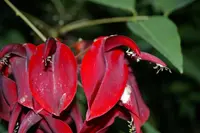
The crybabytree, Erythrina crista-galli, is a small deciduous tree or large shrub known for its bright red, beak-shaped flowers that appear in dramatic clusters. It typically develops a spreading, irregular crown with thorny branches and sparse foliage, giving it a sculptural look even when not in bloom.
This species is native to South America, especially Argentina, Uruguay, Brazil, and Paraguay, where it often grows near rivers and moist lowlands. In mild climates it can be grown outdoors, but in cooler regions it is often kept in large containers.
It prefers full sun, moderate moisture, and well-drained soil, and benefits from protection from hard frost. With these conditions, how to care for crybabytree becomes much more manageable for home gardeners.

Care Difficulty
Moderate Care

Light Preference
Full Sun

Water Requirements
Moderate Water

Temperature Preference
Warm Climate

Hardiness Zone
9–11

Soil Texture
Sandy, Loamy, Organic-rich

Soil pH
Slightly acidic (6.5–7.0), Neutral (7.0)

Soil Drainage
Moist but well-drained

Fertilization
Minimal (feed rarely)
Scan your plant to receive care tips personalized for your specific plant
Available on iOS and Android
This sun-loving small tree needs strong light to flower well and grow compactly.
This species prefers moist but not saturated soil, with brief dry periods between deep waterings.
This subtropical tree grows best in warm conditions and is sensitive to prolonged cold.
This species tolerates a broad humidity range and usually does not need special humidity management.
This plant prefers moderately fertile, loose, well-drained soil that does not stay waterlogged.
This species can be grown in containers, especially in cooler climates where frost protection is needed.
This species benefits from moderate, targeted feeding to support flowering and new growth.
Thoughtful pruning helps Erythrina crista-galli maintain a safe structure and produce better flowering wood.
This species is usually grown in the ground, so timing and technique of transplanting matter more than frequent repotting.
Erythrina crista-galli is commonly propagated by seeds and semi-hardwood cuttings under warm, bright conditions.
This subtropical tree is frost-sensitive and needs clear strategies for surviving cold winters in cooler regions.

Plant Health Check
Not sure what's wrong with your plant? Check your plant's health inside the app.
This species is the national flower of Argentina and Uruguay, where it is strongly associated with river landscapes and local identity.
In its native range along South American riverbanks, it tolerates periodic flooding and waterlogged soils, which helps it dominate in riparian habitats.
As a member of the legume family, it forms root nodules with symbiotic bacteria that fix atmospheric nitrogen, improving soil fertility around the tree.

Historical records from the Río de la Plata region describe this species as a traditional marker tree along waterways and rural settlements, where its bright red inflorescences were used as seasonal cues for fishing and agricultural activities.
Lack of flowering often results from insufficient light, heavy or continuous pruning, excess nitrogen fertilizer, or a plant that is still too young. Ensure strong sun exposure, avoid overfeeding, and allow older wood to develop flower buds.
Keep your plants happy and healthy with plant identification, disease detection, and easy care guidance.

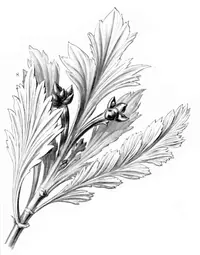
Celery-top Pine
Phyllocladus aspleniifolius
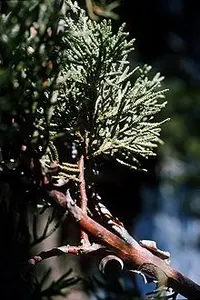
Alligator Juniper
Juniperus deppeana
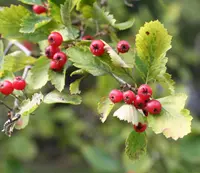
fireberry hawthorn
Crataegus chrysocarpa
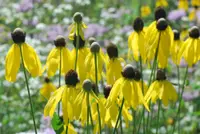
pinnate prairie coneflower
Ratibida pinnata
 POPULAR
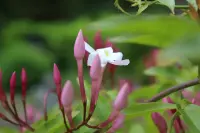
Pink Jasmine
Jasminum polyanthum
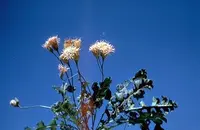
featherleaf desertpeony
Acourtia runcinata
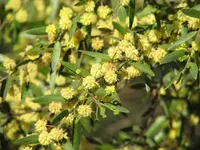
Varnish Wattle
Acacia verniciflua
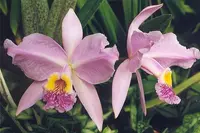
Cattleya lueddemanniana
Cattleya lueddemanniana