Encourage Deep Roots
In the first growing season, give one slow, thorough soak every 10–14 days in dry weather to encourage a deep taproot that will later improve drought resilience when growing featherleaf desertpeony.


Featherleaf desertpeony, Acourtia runcinata, is a drought-tolerant perennial native to arid and semi-arid regions of the southwestern United States and northern Mexico. It belongs to the aster family and forms low clumps of finely divided, feather-like foliage.
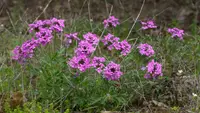
The plant produces clusters of small, pink to purplish flower heads that attract pollinators and add soft color to dry landscapes. Its slow, steady growth and deep roots make it well suited to rock gardens and xeriscapes.
This species prefers full sun, well-drained, mineral-rich soils, and low to moderate moisture. These traits make care for featherleaf desertpeony relatively straightforward for gardeners who can provide dry, open conditions and avoid overwatering.

Care Difficulty
Moderate Care

Light Preference
Full Sun

Water Requirements
Low Water

Temperature Preference
Warm Climate

Hardiness Zone
8–11

Soil Texture
Sandy, Loamy, Rocky

Soil pH
Slightly acidic (6.5–7.0), Neutral (7.0)

Soil Drainage
Well-drained

Fertilization
Minimal (feed rarely)
Scan your plant to receive care tips personalized for your specific plant
Available on iOS and Android
This sun-loving desert perennial needs strong light yet benefits from some protection at the hottest times of day.
This drought-adapted species prefers infrequent, deep watering rather than constant moisture.
This plant is adapted to warm, arid climates and handles a wide temperature range if kept dry.
This species handles typical indoor humidity and even quite dry air without special measures.
Acourtia runcinata prefers lean, fast-draining soil that mimics dry, rocky habitats.
This species can be grown in containers if the pot and mix are chosen to prevent waterlogging.
This drought-adapted native featherleaf desertpeony needs only light feeding in most garden soils.
Pruning Acourtia runcinata is mainly cosmetic and helps maintain a tidy, compact clump.
This species is usually grown in the ground, so focus on careful transplanting rather than frequent repotting.
Propagation of this species is possible but somewhat specialized, mainly through seeds and careful division.
Acourtia runcinata is fairly cold hardy in much of its native range and usually needs minimal winter care.

Plant Health Check
Not sure what's wrong with your plant? Check your plant's health inside the app.
This featherleaf desertpeony is a long-lived perennial native to arid regions of Texas and northern Mexico, adapted to rocky slopes, calcareous soils, and open desert grasslands rather than moist habitats.
The plant develops deep roots and narrow, dissected leaves that reduce water loss, allowing it to survive intense sun, high temperatures, and long dry periods typical of Chihuahuan Desert environments.
Its pink to purplish heads are composite inflorescences made up mostly of tubular disk florets, a typical feature of the aster family, which provide concentrated nectar and pollen resources for native bees and other pollinators.
This species is highly attractive to native bees, small butterflies, and other nectar-feeding insects. The pink to purplish flower heads supply both nectar and pollen, making it a useful component of wildlife-friendly and xeric pollinator plantings.
Keep your plants happy and healthy with plant identification, disease detection, and easy care guidance.