crevice alumroot Care (Heuchera micrantha)

Also known as: Small-flowered Alumroot
crevice alumroot

About crevice alumroot

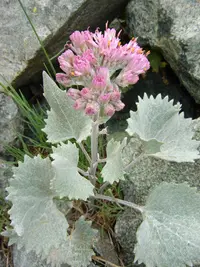
Crevice alumroot, Heuchera micrantha, is a compact, clump-forming perennial grown mainly for its decorative foliage. It belongs to the saxifrage family and is related to other shade perennials often used in woodland gardens.

Plants form low mounds of rounded, often toothed leaves that can range from green to bronzed or mottled, with airy stems of tiny bell-shaped flowers held above the foliage. In the wild it grows on rocky slopes and cliffs in western North America, which explains its tolerance for sharp drainage and moderate drought once established.

These traits usually make it a relatively forgiving garden plant, as long as it receives partial shade, evenly moist but well-drained soil, and protection from extreme heat. Gardeners who learn how to care for crevice alumroot often value it for filling small, cool pockets in rock gardens and shaded borders.

Main Plant Requirements

Care Difficulty

Moderate Care

Light Preference

Partial Shade

Water Requirements

Moderate Water

Temperature Preference

Cold Hardy

Hardiness Zone

4–8

Soil Texture

Loamy, Sandy, Organic-rich

Soil pH

Acidic (5.5–6.5), Slightly acidic (6.5–7.0)

Soil Drainage

Moist but well-drained

Fertilization

Minimal (feed rarely)

Get Personalized Care Plan

Scan your plant to receive care tips personalized for your specific plant

Available on iOS and Android

How to Care for the crevice alumroot

Heuchera micrantha grows best in bright, indirect light with some daily shade, especially in warmer climates.

  • Provide 3–5 hours of morning sun with light or dappled shade the rest of the day to keep foliage compact and colorful.
  • Plant crevice alumroot where it is shaded from strong afternoon sun; intense sun can scorch leaves, causing brown, crispy patches.
  • In cooler climates it tolerates more direct sun, while in hot summers it benefits from north or east exposure and filtered light under shrubs or trees.

Water needs for this species focus on steady moisture in well-drained soil without staying soggy.

  • Irrigate when the top 2–4 cm of soil feels dry, aiming for evenly moist but never waterlogged conditions.
  • Use soil rich in organic matter with sharp drainage; standing water, yellowing leaves, or mushy crowns indicate overwatering, while limp, folding leaves suggest drought stress.
  • In spring and fall, moisture demand is moderate; in hot, dry summers check soil more often, and in cool, wet seasons reduce watering to prevent crown rot in Heuchera micrantha.

This perennial tolerates a wide temperature range but performs best in mild conditions without extreme heat or deep freezes.

  • Active growth is strongest around 55–75°F (13–24°C), where foliage color and vigor are most stable.
  • Mature plants survive down to about -20°F (-29°C) with mulching, though repeated freeze–thaw cycles can heave crowns, so firm soil gently back around exposed roots.
  • During hot spells above 85°F (29°C), provide mulch and afternoon shade to reduce heat stress and leaf scorch, and avoid planting in heat-reflective sites.

This species handles a wide humidity range and rarely needs special humidity management outdoors.

Heuchera micrantha prefers a loose, humus-rich substrate that drains freely yet holds steady moisture.

  • Use a mix of garden loam with 30–40% compost and 10–20% perlite or grit to improve structure and drainage.
  • Aim for slightly acidic to neutral pH, around 6.0–7.0, which supports balanced nutrient availability.
  • In heavier clay, raise the planting area and blend in coarse sand or fine bark to increase aeration and reduce waterlogging.
  • Avoid compacted, waterlogged, or very shallow soils, which can trigger crown and root rot and shorten plant lifespan.

This species grows well in containers when the potting setup manages moisture and root stability carefully.

  • Choose a wide, moderately deep pot so the shallow, fibrous roots can spread without crowding and the crown sits above the rim for airflow.
  • Select a heavier material like ceramic or clay if the container is exposed to wind, as filled pots can become top-heavy when foliage is mature.
  • Ensure a free-draining substrate and elevate the container slightly so drainage holes never sit directly on a solid surface, preventing standing water.

Heuchera micrantha benefits from light, steady feeding rather than heavy fertilization.

  • Use a balanced, slow-release fertilizer (such as 10-10-10) or a thin layer of compost in early spring as new growth starts.
  • In average garden soil, feed once in spring; in poor or container soil, repeat lightly midsummer for crevice alumroot.
  • Apply at half the label rate to prevent salt buildup and lush, weak growth.
  • Stop feeding 6–8 weeks before expected frost to allow growth to harden before winter.

Heuchera micrantha responds well to light, periodic pruning to maintain a compact, fresh-looking clump.

  • In early spring, remove dead, damaged, or winter-burned leaves with clean hand pruners or sharp scissors.
  • Cut back spent flower stalks to the base after blooming to encourage a neater shape and possible rebloom.
  • Thin crowded or older leaves from the center to improve airflow and reduce fungal issues.
  • In late summer or early fall, lightly tidy foliage only, avoiding hard cuts that stimulate tender pre-winter growth.

Garden-grown Heuchera micrantha is usually transplanted or divided rather than frequently repotted.

  • Transplant or divide clumps every 3–4 years in early spring or early fall, when temperatures are mild.
  • Look for signs such as a woody, sparse center, slow growth, or roots circling in containers as cues to move or divide plants.
  • Lift clumps carefully, tease roots apart by hand, and trim damaged roots to reduce stress before replanting.
  • Replant crowns so the growing points sit just at soil level, then water thoroughly and shade lightly for 3–5 days.

Heuchera micrantha is most commonly propagated by division, with seed and cuttings used less often in home gardens.

  • Divide mature clumps in early spring or early fall, when soil is cool and moist but not waterlogged.
  • Use a clean knife or spade to split the crown into sections, each with healthy roots and 2–3 growing points.
  • Replant divisions at original depth in well-drained soil, then water consistently until established.
  • For seed, surface-sow on moist, fine-textured mix, keep 60–70°F, and provide bright, indirect light for germination.

Heuchera micrantha is generally cold hardy but benefits from some winter root-zone protection in colder regions.

  • After the ground cools, apply a 5–7 cm layer of loose mulch around, not over, the crowns to insulate roots.
  • Avoid cutting back all foliage in fall; leave some leaves to shield crowns from freeze–thaw cycles.
  • In very cold or exposed sites, use evergreen boughs or frost cloth to reduce drying winds on foliage.
  • Move container-grown plants into a sheltered, unheated garage or porch where temperatures stay just above freezing.

Care Tips

Spring clump renewal

Every 3–4 years in early spring, lift the clump, slice away any hollow or woody center, and replant only the firm outer sections at the original soil level to keep plants dense and long-lived.


Crown protection mulch

Apply a thin, open-textured mulch layer around but not over the crown, such as shredded bark or pine fines, to buffer soil temperature, reduce heaving in freeze–thaw cycles, and keep leaves clean.

Winter heave control

In colder climates, check plants after hard freezes and gently press any lifted crowns back into the soil, then top up mulch so roots do not dry out or snap in late-winter winds.

Shade-tolerant companions

Combine plants with shallow, non-aggressive roots (such as ferns or small woodland perennials) so they do not outcompete the roots and to create stable soil moisture around the crowns when growing crevice alumroot.

Targeted foliage grooming

Once or twice a year, cut out only the oldest, tattered outer leaves at the base rather than shearing the whole plant, which maintains airflow, reduces foliar disease, and preserves attractive new growth.

Common Pests and Diseases

Vine weevil

This pest commonly attacks heuchera roots and crowns, causing sudden wilting and collapse despite adequate watering. Symptoms include notched leaf edges from adult feeding and loose plants with little remaining root system from larvae feeding underground.

Solution

Inspect plants regularly for notched leaves and gently lift the crown to check for C-shaped white grubs in the root zone; hand-pick adults at night and destroy larvae. For heavier infestations, apply beneficial nematodes labeled for vine weevil to moist soil in late summer or early fall and consider growing in containers with fresh, free-draining mix if garden beds are heavily infested.

Heuchera rust

This disease produces orange to brown pustules on leaf undersides, often with yellow or pale spots on the upper surface. Symptoms include premature leaf drop and gradual thinning of the plant if infection is severe or repeated.

Solution

Remove and discard affected leaves as soon as pustules are visible and avoid overhead watering to keep foliage as dry as possible. Improve spacing and airflow, clean up fallen debris, and if rust recurs each season use a labeled fungicide preventively in spring on susceptible clumps while also selecting more resistant cultivars when replacing plants.

Leaf spot

This disease causes small tan to dark brown spots that may enlarge and merge, giving foliage a scorched or tattered look. Symptoms include cosmetic damage that reduces vigor when many leaves are affected, especially in humid or crowded plantings.

Solution

Prune off heavily spotted leaves and dispose of them in the trash, then thin or divide crowded clumps to improve airflow. Water at the base in the morning, avoid wetting foliage, and if conditions stay very humid apply a targeted ornamental leaf-spot fungicide according to label directions until new, clean growth appears.

Crown and collar rot

This disease affects the base of the plant where the stems meet the roots, leading to a soft, dark, and sometimes foul-smelling crown. Symptoms include sudden collapse of individual shoots, especially in poorly drained or frequently wet soils.

Solution

Remove and discard affected plants including as much surrounding soil as possible, then improve drainage by raising the planting area or using coarse amendments. Replant healthy divisions into well-drained sites or containers, avoid burying the crown too deeply, and keep irrigation moderate so the top layer of soil can dry slightly between waterings, which is a key aspect of Heuchera micrantha care.

Aphids

These insects gather on young stems and leaf undersides, sucking sap and causing curled, distorted growth. Symptoms include sticky honeydew on leaves and nearby surfaces, sometimes followed by black sooty mold growing on the residue.

Solution

Dislodge colonies with a firm stream of water from a hose, repeating every few days until numbers drop, and pinch off heavily infested shoot tips. Encourage natural predators like lady beetles, avoid high-nitrogen fertilizer that promotes soft new growth, and if populations remain high use an insecticidal soap or horticultural oil, ensuring full coverage of leaf undersides and stems.

Interesting Facts

Pacific coast specialist

This species is naturally restricted to moist, rocky woodlands and stream banks along the Pacific coast of North America, especially in California and Oregon, where it often clings to north-facing cliffs and shaded canyon walls.

Microscopic-flowered name

The species epithet micrantha means small-flowered, referring to its numerous but very tiny, greenish-white to pinkish flowers that are less showy than those of many other cultivated alumroot species.

Key parent of hybrids

It has been heavily used in modern breeding programs because its tolerance of rocky, thin soils and shade has contributed important resilience and leaf diversity to many widely grown Heuchera hybrids.

Botan icon

Did you know?

Wild populations are considered important genetic reservoirs for breeders, because they maintain traits such as drought tolerance, cold hardiness, and adaptability to crevice habitats that can be lost when plants are selected only for colorful foliage in cultivation.

FAQs about crevice alumroot

This species forms compact clumps and spreads slowly by short crowns rather than running roots. It stays well behaved, making it suitable for mixed borders, rock gardens, and tight spaces without becoming a nuisance.

Grow Healthy Plants with Botan Care

Keep your plants happy and healthy with plant identification, disease detection, and easy care guidance.

Botan plant care app — identify plants on mobile

Explore More Plants