Pinch Early Growth
Pinch back the soft tips of young stems once or twice in spring to encourage a denser, more floriferous mat that resists lodging and bare patches in the center.

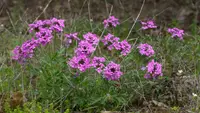
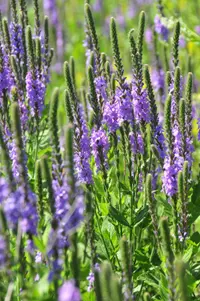
Rose mock vervain (Verbena canadensis) is a low-growing perennial flowering plant often used as a groundcover or edging plant in sunny beds and borders. It forms spreading mats of finely divided, slightly rough foliage topped with clusters of small, bright pink to purple flowers over a long blooming season.
This species is native to parts of North America, especially prairies and open, well-drained sites. It is generally considered easy to grow, with good drought tolerance once established and reliable reblooming when conditions are suitable. Gardeners often choose it when they want to care for rose mock vervain in sunny, moderately dry landscapes.
It prefers full sun, moderately moist but well-drained soil, and benefits from light pruning to maintain a compact, floriferous habit.

Care Difficulty
Easy Care

Light Preference
Full Sun

Water Requirements
Moderate Water

Temperature Preference
Cold Hardy

Hardiness Zone
3–8

Soil Texture
Sandy, Loamy, Rocky

Soil pH
Acidic (5.5–6.5), Slightly acidic (6.5–7.0)

Soil Drainage
Well-drained

Fertilization
Minimal (feed rarely)
Scan your plant to receive care tips personalized for your specific plant
Available on iOS and Android
Verbena canadensis thrives in strong sun but can handle brief partial shade, especially in hot climates.
Verbena canadensis prefers consistent moisture with good drainage and does not tolerate waterlogged soil.
This species grows best in warm conditions and needs protection from hard frost and extreme heat stress.
Humidity is rarely a concern for Verbena canadensis, which is naturally adapted to open, airy sites.
Verbena canadensis prefers well-aerated, fast-draining soil that prevents waterlogging around the roots.
This species is suitable for container growing when the pot is set up to stay stable and fast-draining outdoors.
Verbena canadensis benefits from light, consistent nutrition during its main growing season.
Verbena canadensis responds well to thoughtful pruning that maintains a compact, floriferous habit.
This species is more often transplanted in garden beds than repotted long term in containers.
Verbena canadensis is commonly propagated by stem cuttings, division, and sometimes seed.
This plant is moderately cold hardy but may need some winter care in colder regions or poorly drained soils.

Plant Health Check
Not sure what's wrong with your plant? Check your plant's health inside the app.
This species is naturally distributed in the southeastern and south-central United States, where it grows in open prairies, glades, and roadsides rather than in dense forests.
Its trailing stems can root at the nodes when they touch bare soil, allowing individual plants to slowly form broad, low mats that stabilize sandy or rocky ground.
In mild climates, it can flower from spring into fall, providing an extended nectar source for butterflies and other pollinators when many native species have already finished blooming.

Horticultural selections of this species have been widely mixed and hybridized with related verbenas, so many garden plants sold under this name are actually complex hybrids rather than true wild-type Verbena canadensis.
Poor flowering usually comes from low light, excess nitrogen fertilizer, or old, woody stems. Improve sun exposure, avoid high-nitrogen feeds, and shear plants lightly after a flush of flowers to promote new, bloom-ready growth.
Keep your plants happy and healthy with plant identification, disease detection, and easy care guidance.