Rhizome division timing
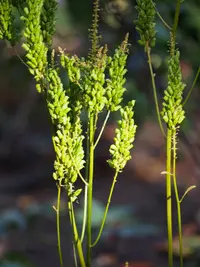
Plan to divide clumps every 3–5 years in late summer after flowering, replanting vigorous outer sections at the same depth to maintain bloom quality and prevent overcrowding.

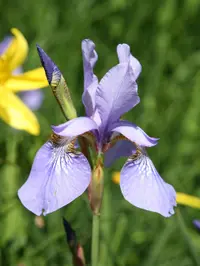
Siberian iris, Iris sibirica, is a hardy herbaceous perennial grown for its elegant, narrow foliage and graceful, upright flower stems. It forms dense clumps that return each year from underground rhizomes.
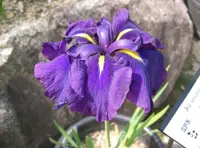
The flowers are typically blue, violet, or white with distinct veining and a refined, simple shape rather than large frills. Plants usually look best in groups along borders, near ponds, or in naturalistic plantings.
Iris sibirica originates from damp meadows and stream edges in parts of Europe and Asia, which explains its preference for consistent moisture and fertile, well-drained soil. It is generally robust, cold-tolerant, and low-maintenance once established, so many gardeners find it straightforward to care for Siberian iIris.

Care Difficulty
Easy Care

Light Preference
Full Sun

Water Requirements
Regular Water

Temperature Preference
Cold Hardy

Hardiness Zone
3–9

Soil Texture
Loamy, Clay, Organic-rich

Soil pH
Acidic (5.5–6.5), Slightly acidic (6.5–7.0)

Soil Drainage
Moist but well-drained

Fertilization
Minimal (feed rarely)
Scan your plant to receive care tips personalized for your specific plant
Available on iOS and Android
This rhizomatous perennial thrives in cool, bright conditions with consistent sun exposure.
This species prefers steadily moist soil, especially during active growth and flowering.
This hardy perennial tolerates a wide temperature range but performs best in cool to mild climates.
Humidity is a minor factor for Iris sibirica, which adapts well to most outdoor conditions.
Iris sibirica prefers consistently moist, structured soil that drains well but does not dry out quickly.
This species can be grown successfully in outdoor containers when moisture and stability are managed carefully.
Moderate feeding supports strong growth and flowering in Iris sibirica without creating lush, floppy foliage.
Thoughtful pruning keeps Iris sibirica clumps tidy and supports repeat healthy flowering.
Transplanting established Iris sibirica clumps maintains vigor and flowering over time.
Division is the standard method for increasing Iris sibirica while keeping cultivar traits consistent.
Established Iris sibirica plants are cold hardy in most temperate gardens and need only minimal winter care.

Plant Health Check
Not sure what's wrong with your plant? Check your plant's health inside the app.
This species is naturally adapted to nutrient-rich wet meadows, marsh edges, and riverbanks across Europe and western Asia, tolerating seasonal flooding better than many other irises.
Its rhizomes survive very low winter temperatures under snow cover, making the plant reliably hardy in many temperate climates where other Iris species may be damaged.
The flowers have petal-like style branches and marked falls that act as landing platforms and visual guides, directing bees and other insects to the nectar while ensuring efficient pollen transfer.

In several parts of central and eastern Europe, this species is regionally protected or listed as vulnerable due to habitat loss of traditional wet meadows, despite being widely cultivated in gardens.
Lack of flowering usually comes from too much shade, overcrowded clumps, or nutrient imbalance from high-nitrogen fertilizer. Divide clumps every 3–5 years, provide full sun, and use a balanced, low-nitrogen feed to restore blooms.
Keep your plants happy and healthy with plant identification, disease detection, and easy care guidance.