Purpletop vervain Care (Verbena bonariensis)

Also known as: purple top, Argentinian vervain, Wild Verbena
Purpletop vervain

About Purpletop vervain

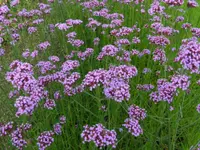
Purpletop vervain (Verbena bonariensis) is a tall, airy perennial often grown as an annual in cooler climates. It forms slender, upright stems topped with clusters of small violet-purple flowers. Native to South America, it has naturalized in many warm and temperate regions and is widely used in pollinator and prairie-style gardens.

The plant has a see-through habit, so it fits well among other perennials without blocking views. It is generally easy to grow where winters are mild and soil drains well, though it may self-seed. Understanding how to care for Purpletop vervain helps gardeners keep clumps healthy and prevent it from spreading more than desired.

Main Plant Requirements

Care Difficulty

Easy Care

Light Preference

Full Sun

Water Requirements

Moderate Water

Temperature Preference

Warm Climate

Hardiness Zone

7–11

Soil Texture

Sandy, Loamy, Organic-rich

Soil pH

Acidic (5.5–6.5), Slightly acidic (6.5–7.0)

Soil Drainage

Well-drained

Fertilization

Minimal (feed rarely)

Get Personalized Care Plan

Scan your plant to receive care tips personalized for your specific plant

Available on iOS and Android

How to Care for the Purpletop vervain

Verbena bonariensis needs abundant direct light to flower well and stay upright.

  • Provide 6–8 hours of full sun daily; morning and early afternoon sun give the best flowering and compact growth.
  • Plant Purpletop vervain where it gets at least 4–5 hours of unshaded midday sun; light afternoon shade is acceptable in very hot, dry climates.
  • Watch for weak, leggy stems and few blooms as signs of too little sun, and for scorched leaves during extreme heat waves with reflected afternoon sun.

Verbena bonariensis prefers moderately moist, well-drained soil and does not tolerate waterlogged conditions.

  • Water when the top 3–5 cm of soil feels dry, applying a deep soak rather than frequent light splashes to encourage deeper roots.
  • Use sharply drained soil or amend heavy clay with grit or compost so excess water can drain away quickly, reducing root rot risk.
  • In hot, dry summer periods, monitor for wilting or drooping as a cue to water more often; yellowing, mushy stems suggest overwatering.

This species thrives in warm conditions and behaves as a short-lived perennial or self-seeding annual depending on winter temperatures.

  • Optimal growth occurs around 65–80°F (18–27°C), supporting steady flowering through the main growing season.
  • Plants tolerate summer heat up to about 90–95°F (32–35°C) if soil is not allowed to dry out completely and roots are mulched lightly.
  • Frost is the main limit; top growth is usually killed below 28°F (-2°C), although plants may reseed and return in spring in many regions.

Verbena bonariensis handles a wide humidity range and usually does not need special humidity management outdoors.

Soil for Verbena bonariensis should be free-draining and moderately fertile to support continuous flowering.

  • Use a light loamy or sandy soil structure that does not compact, with 20–30% compost mixed through the top layer.
  • Ensure very sharp drainage by blending in coarse sand or fine gravel, especially in climates with wet winters.
  • Aim for slightly acidic to neutral pH around 6.0–7.0, avoiding strongly acidic or alkaline conditions that reduce nutrient availability.
  • Avoid heavy clay or waterlogged spots; if soil is dense, raise the planting area and incorporate grit to improve aeration and root health.

This tall species is suitable for container growing if the pot is chosen and managed for stability and drainage.

  • Select a heavy, wide-based container to prevent the tall, airy stems from tipping the pot in strong wind.
  • Use a deep pot at least 30–40 cm to give the taproot enough vertical space and reduce drought stress between waterings.
  • Choose a mineral-based mix with added grit or bark to keep the root zone aerated, since containers hold moisture longer than open ground.

This plant benefits from light, consistent feeding during its active season to sustain flowering.

  • Use a balanced liquid fertilizer (for example 10-10-10 or 20-20-20) at 1/2 strength every 3–4 weeks in spring and summer when caring for Purpletop vervain.
  • Alternatively, top-dress with a thin layer of compost in spring to support soil life and slow nutrient release.
  • Avoid high-nitrogen products, which encourage excess leaves over blooms, and always water before and after feeding.
  • Stop feeding in late summer or early fall so growth can harden off before winter.

Verbena bonariensis responds well to light, timed pruning that maintains shape and flowering.

  • In late winter or very early spring, cut back old stems to 10–20 cm above ground using clean, sharp pruners.
  • During the growing season, remove dead, diseased, or storm-damaged stems promptly to reduce disease risk.
  • Thin out crowded or crossing stems to improve air flow and keep the plant upright and graceful.
  • Deadhead spent flower clusters in summer to extend blooming and limit self-seeding if desired.

This species is more often transplanted in beds than repotted long-term in containers.

  • Transplant in spring after frost, when young plants are actively growing but not yet flowering heavily.
  • Move plants if growth is stunted, roots circle the pot, or soil dries out very quickly between waterings.
  • Water the plant well before lifting, then disturb roots as little as possible and replant at the same depth in well-drained soil.
  • Water thoroughly after transplanting and shade for a few days if conditions are hot or windy to reduce transplant shock.

Verbena bonariensis is commonly propagated from seed and softwood cuttings.

  • Sow fresh seed in late winter to early spring in trays of moist, well-drained mix; light aids germination for many verbena types.
  • Maintain 65–75°F and even moisture until seedlings emerge, then move them to bright light.
  • For cuttings, take 7–10 cm non-flowering shoots in late spring, remove lower leaves, and insert into a sterile, free-draining medium.
  • Keep cuttings in high humidity with bright, indirect light until well rooted, then harden off before planting out.

This plant is moderately hardy but may need some winter care in colder regions.

  • In zones roughly 7–10, established plants often overwinter in the ground with minimal intervention.
  • After the first hard frost, leave some dry stems standing to catch insulation from snow and shelter wildlife, then cut back in late winter.
  • In colder zones or poorly drained soil, apply a 5–7 cm mulch layer around the crown to buffer freeze–thaw cycles.
  • Container-grown plants in cold climates can be moved to a cool, frost-free, bright spot and kept just barely moist.

Care Tips

Staggered staking

Install a few discreet stakes at different angles through the clump early in the season so the tall, wiry stems lean on them in wind without needing visible string or cages later.

Self-seeding control

Deadhead most spent flower heads before seed set but leave a few in chosen spots, so you guide where new plants appear instead of letting them colonize paths or beds randomly.

Companion for airflow

Plant among shorter, airy perennials or grasses rather than dense shrubs, which keeps lower stems ventilated and reduces mildew and foliar disease pressure.

Cutting for rebloom

Harvest stems frequently for cut flowers by taking them down to a strong side shoot, which encourages new flowering stems and extends the overall bloom season when growing Purpletop vervain.

Winter viability check

In colder zones, mark the best-performing plants and check for winter survival in spring, then lift and relocate unwanted seedlings while still small to maintain a tall, transparent look without overcrowding.

Common Pests and Diseases

Powdery mildew

This disease causes a white, powdery coating on leaves, stems, and flower stalks, especially in warm days with cool, humid nights. Symptoms include distorted new growth and premature leaf drop, which can weaken flowering stands over time.

Solution

Improve air circulation by thinning crowded stems and avoid overhead watering so foliage dries quickly. Remove and discard heavily infected leaves, water at the base in the morning, and apply a sulfur or potassium bicarbonate fungicide labeled for ornamentals if conditions stay favorable for infection.

Botrytis blight

This disease produces gray, fuzzy mold on fading flowers, stems, and sometimes leaves, often during cool, damp weather or in dense plantings. Symptoms include browning petals, water-soaked spots, and collapsing stems at the base of flower clusters.

Solution

Remove spent flower heads and any rotting or moldy tissue promptly, and dispose of it away from the garden. Increase spacing and airflow, water early in the day at soil level, and use a labeled ornamental fungicide containing chlorothalonil or similar active ingredient if gray mold keeps returning.

Aphids

These insects cluster on tender shoot tips and flower stems, sucking sap and excreting sticky honeydew that can attract sooty mold. This pest can cause curled or stunted growth and reduce flowering, especially on young Verbena bonariensis plants.

Solution

Blast colonies off stems with a firm stream of water, then repeat every few days until numbers drop. For persistent infestations, treat growing tips with insecticidal soap or neem oil, making sure to coat both sides of the stems and flower stalks, and encourage lady beetles and lacewings as natural predators.

Spider mites

This pest thrives in hot, dry conditions and feeds on the undersides of leaves, causing fine speckling, dulling of foliage color, and sometimes fine webbing between stems. Symptoms include leaves that look dusty or bronzed and may eventually drop.

Solution

Increase humidity around the plants slightly and rinse foliage thoroughly with water, focusing on leaf undersides. If mites persist, apply insecticidal soap or horticultural oil at 5–7 day intervals, rotating with another product if needed, and avoid water stress to reduce susceptibility while growing Purpletop vervain.

Leaf spot

This disease causes small, dark brown to purplish spots on leaves that may enlarge and merge, leading to yellowing and early leaf drop, especially in wet weather. Symptoms include lower leaves being affected first, then spots spreading upward on crowded or poorly ventilated plants.

Solution

Remove and dispose of affected lower leaves and avoid wetting the foliage when irrigating. Improve airflow with proper spacing, mulch to reduce soil splash, and use a copper-based or broad-spectrum ornamental fungicide if spotting spreads during extended wet periods.

Interesting Facts

Narrow native origin

Despite being common in gardens worldwide, this species is native to a relatively small region in central South America, especially around Buenos Aires in Argentina and parts of Brazil and Uruguay, which explains the species name bonariensis.

Hoverfly and butterfly magnet

The tall, airy stems and clustered nectar-rich flowers are especially attractive to hoverflies, butterflies, and moths, making this plant an important resource in pollinator-friendly gardens and ecological plantings.

Long blooming season

In mild climates this species can flower from early summer well into fall, because it continuously produces new flower clusters as long as temperatures stay above frost levels.

Botan icon

Did you know?

In several regions, including parts of the southern United States, Australia, and South Africa, this species is considered an invasive or environmental weed because its prolific seed production and high germination rate allow it to spread aggressively in disturbed habitats and grasslands, where it can compete with native vegetation.

FAQs about Purpletop vervain

Lack of flowers usually comes from too little sun, soil that is too rich in nitrogen, or plants that are crowded. Give more direct light, avoid high-nitrogen fertiliser, and thin or divide clumps to restore flowering.

Grow Healthy Plants with Botan Care

Keep your plants happy and healthy with plant identification, disease detection, and easy care guidance.

Botan plant care app — identify plants on mobile

Explore More Plants