Dormancy handling
After flowers and leaves yellow and collapse, keep the pot just barely moist and stored in a dry, shaded place so the bulbs can rest for 8–12 weeks without rotting before the next growth cycle.

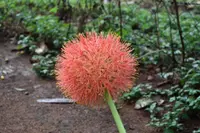
The fireball lily, Scadoxus multiflorus, is a bulbous flowering plant known for its round, bright red flower heads made of many small star-shaped blooms. It grows from a resting bulb that sends up lush green leaves and a single dramatic flower stalk in the growing season.
This species is native to parts of tropical and southern Africa, where it grows in woodland edges and lightly shaded spots. In cultivation, it prefers bright, indirect light, evenly moist but well-drained soil, and a warm, frost-free environment.
Its distinct dormant period and sensitivity to overwatering make it moderately challenging for beginners, but predictable once its cycle is understood. Learning how to care for fireball lily mainly involves respecting its active growth and rest phases.

Care Difficulty
Moderate Care

Light Preference
Partial Shade

Water Requirements
Moderate Water

Temperature Preference
Tropical / Frost Sensitive

Hardiness Zone
9–11

Soil Texture
Sandy, Loamy, Organic-rich

Soil pH
Acidic (5.5–6.5), Slightly acidic (6.5–7.0)

Soil Drainage
Moist but well-drained

Fertilization
Light (every 4–6 weeks)
Scan your plant to receive care tips personalized for your specific plant
Available on iOS and Android
Scadoxus multiflorus prefers bright, gentle light that mimics dappled woodland conditions.
Scadoxus multiflorus needs moisture during active growth but is sensitive to standing water around its bulb.
This species prefers warm, frost-free conditions and reacts poorly to temperature extremes.
This species grows well in typical indoor humidity but benefits from slightly elevated moisture in very dry homes.
This bulb prefers airy, fast-draining, organic-rich soil that never stays waterlogged.
This species is well suited to container growing when the pot and substrate are chosen to protect the bulb from excess moisture.
Scadoxus multiflorus benefits from light, targeted feeding during its active growing season.
Scadoxus multiflorus needs minimal pruning focused on hygiene rather than shaping.
This bulbous plant prefers slightly tight quarters, so repotting is infrequent and should be done with care.
Propagation is most reliable by division of mature clumps, with seed used mainly by patient growers.
This species is frost-tender and needs dry dormancy and temperature protection in cooler climates.

Plant Health Check
Not sure what's wrong with your plant? Check your plant's health inside the app.
The spherical flower head is composed of more than 100 tiny flowers, each with long red stamens, giving the appearance of a firework or sparkler during its brief but striking bloom period in late spring or summer.
This species survives harsh dry seasons as an underground bulb, shedding its leaves and remaining dormant until moisture and warmth trigger rapid flowering and subsequent leaf growth.
All parts of the plant, especially the bulb, contain toxic alkaloids that can harm humans and pets if ingested, which helps protect it from many herbivores in its native African habitats.

In some parts of tropical Africa, this species often appears in large, synchronized colonies that can carpet the ground with hundreds of red flower spheres at once, transforming woodland edges and rocky slopes for just a short blooming window each year.
Lack of flowering often comes from insufficient rest, too little light, or bulbs planted too deep. The species needs a dry, cool dormant period, then brighter conditions and a light feeding to restart growth and flower production.
Keep your plants happy and healthy with plant identification, disease detection, and easy care guidance.