Baby sage Care (Salvia microphylla)

Also known as: Hot Lips Sage, Blackcurrant Sage, Cherry Sage
Baby sage

About Baby sage

Baby sage, Salvia microphylla, is a compact, bushy sage often grown as an ornamental shrub for its small, aromatic leaves and colorful flowers. It typically forms a rounded mound and produces many short stems, which makes it suitable for borders and mixed beds.

This species is native to Mexico and parts of the southwestern United States, where it grows in sunny, well-drained habitats. It is valued for being relatively resilient once established, with good tolerance of heat and short dry spells.

Its evergreen or semi-evergreen habit in mild climates and long flowering season make it a reliable garden plant. Light, free-draining soil and moderate watering are usually enough to care for Baby sage successfully.

Main Plant Requirements

Care Difficulty

Easy Care

Light Preference

Full Sun

Water Requirements

Low Water

Temperature Preference

Warm Climate

Hardiness Zone

7–9

Soil Texture

Sandy, Loamy, Rocky

Soil pH

Slightly acidic (6.5–7.0), Slightly alkaline (7.0–7.5)

Soil Drainage

Well-drained

Fertilization

Minimal (feed rarely)

Get Personalized Care Plan

Scan your plant to receive care tips personalized for your specific plant

Available on iOS and Android

How to Care for the Baby sage

This sun-loving shrub thrives with strong light but benefits from some daily shade in hot climates.

  • Provide 6–8 hours of direct sun, ideally with morning sun and light afternoon shade, especially in zones with intense summer heat.
  • Tolerates partial shade (around 4 hours of direct sun) but flowering and compact growth of Baby sage decrease as shade increases.
  • In very hot summers, protect from harsh afternoon sun with dappled or filtered light to reduce leaf scorch and wilting stress.

This sage prefers soil that dries slightly between deep waterings rather than staying constantly moist.

  • Outdoors in the ground, water only when the top 4–5 cm of soil is dry, applying a slow, deep soak rather than frequent light splashes.
  • In hot, dry weather, expect to water more often; in cool or rainy periods, reduce or pause watering to avoid waterlogged soil.
  • Signs of overwatering include yellowing, limp foliage and blackened stems; dry, crisp leaves and drooping stems that recover after watering suggest underwatering for Salvia microphylla.

This species grows best in mild, temperate conditions and tolerates short periods of heat or cold if extremes are avoided.

  • Optimal growth occurs around 60–80°F (16–27°C), with strong flowering and steady shoot development in this range.
  • Mature plants can survive light frosts down to about 20–25°F (-6 to -4°C), but repeated hard freezes may kill top growth and require cutback in spring.
  • In summer heat above 90°F (32°C), flowering may slow; provide mulch and consistent soil moisture to protect roots and reduce heat stress.

Humidity is rarely critical for Salvia microphylla, which adapts well to typical home and outdoor air levels.

  • Performs best around 30–50% humidity but tolerates drier air without injury.
  • Low humidity rarely harms Baby sage unless combined with heat and drought, when leaf tips may crisp and growth may slow.
  • If air is very dry and hot, reduce stress by mulching the soil and watering consistently rather than misting foliage.

Salvia microphylla prefers a loose, well-drained mineral-rich substrate that never stays waterlogged.

  • Use a sandy or loamy mix with 30–50% coarse material such as perlite, pumice, or sharp sand to keep pores open.
  • Aim for slightly acidic to neutral pH, roughly 6.0–7.5, which supports nutrient uptake and root activity.
  • Blend in modest amounts of compost for nutrients but avoid high peat content that can hold excess moisture around the roots.
  • Improve drainage further by elevating containers or planting on a slight slope so water does not pool around the root zone.

This species grows well in containers when given stable, well-draining conditions.

  • Choose a pot wide enough to accommodate its bushy spread so branches do not overhang and stress the root ball in wind.
  • Use a heavier container material or add weight at the base to keep the shrub stable as top growth becomes woody and dense.
  • Raise the pot slightly on feet or bricks so drainage holes clear quickly and runoff does not reabsorb into the mix.

Baby sage benefits from modest, consistent feeding during the active growing season.

  • Use a balanced, slow-release fertilizer (for example 10-10-10) or a light top-dressing of compost in spring.
  • Feed every 6–8 weeks from spring to early fall, avoiding mid-summer heat waves and drought stress.
  • Apply at half the label strength for container plants to reduce salt buildup and root burn risk.
  • Stop feeding in late fall and do not fertilize in winter, when growth is minimal.

Pruning supports compact growth and longer flowering in Salvia microphylla.

  • Use clean, sharp hand pruners to remove dead, damaged, or diseased stems whenever noticed.
  • In late winter or very early spring, cut back by about one-third to maintain a bushy, rounded shape.
  • Lightly shear or tip back spent flowering stems through the season to encourage repeat blooms.
  • Thin out crowded interior shoots to improve air circulation and reduce fungal problems.

This species is usually grown in the ground, but containers or young plants benefit from careful transplanting.

  • Transplant or repot in early spring or early fall, avoiding very hot or very cold periods.
  • Check for roots circling the pot, water running straight through, or slowed growth as signals it needs a larger container.
  • Plan on moving container plants to a pot 1–2 in wider every 2–3 years, using well-drained, gritty soil.
  • Water thoroughly before and after transplanting, keep roots shaded, and reduce stress by trimming back soft growth slightly.

Salvia microphylla is commonly propagated from cuttings and sometimes by division or seed.

  • Take 7–10 cm softwood or semi-ripe cuttings in late spring to late summer from non-flowering stems.
  • Remove lower leaves, dip the base in rooting hormone, and place in a moist, free-draining mix under bright, indirect light.
  • Maintain 65–75°F and high humidity around cuttings while avoiding waterlogged conditions to prevent rot.
  • For division, split well-established clumps in early spring, replanting sections promptly and watering thoroughly.

This species is moderately cold hardy but may need some winter protection in cooler climates.

  • In USDA zones around 7–8 and warmer, plants often overwinter in the ground with minimal intervention.
  • Apply a 5–8 cm layer of mulch around the root zone after the first frost, keeping it slightly away from stems.
  • Leave top growth standing over winter in colder areas, cutting back only in late winter or early spring.
  • Move container plants into a sheltered, frost-free spot with good light and slightly reduced watering.

Care Tips

Regular blooming checks

Inspect flower spikes weekly in the growing season and remove spent blooms down to a leafy node to keep plants compact and encourage continuous flowering when growing Baby sage.

Airflow spacing strategy

Space plants so mature stems do not touch (usually 45–60 cm apart) to reduce fungal issues and make it easier to access the base for deadheading and stem renewal.

Staggered stem renewal

Each year, cut back only 1⁄3 of the oldest, woody stems near the base in late winter to gradually rejuvenate the shrub without shocking it or losing all flowers at once.

Mulch management band

Maintain a 5–8 cm mulch layer around the plant but keep a mulch-free collar of 5–8 cm around the main stem to avoid crown rot and allow the base to dry quickly after rain.

Beneficial insect support

Plant small-flowered companions such as yarrow, alyssum, or dill nearby to attract predatory insects that help manage aphids and whitefly populations on the sage.

Common Pests and Diseases

Spider mites

This pest is common in hot, dry conditions and feeds on leaf sap, causing fine stippling, dull foliage, and delicate webbing on stems and undersides of leaves.

Solution

Rinse plants thoroughly with a strong but gentle stream of water, focusing on leaf undersides, then repeat every few days; in persistent cases use a horticultural soap or neem oil spray, and increase humidity and airflow to make conditions less favorable for mites as part of general Salvia microphylla plant care.

Whiteflies

These insects gather on the undersides of leaves, flying up in small clouds when disturbed and causing yellowing, leaf drop, and sticky honeydew that can lead to sooty mold.

Solution

Vacuum or shake adults off in the early morning, then spray the undersides of leaves with insecticidal soap or neem oil weekly until populations decline, and remove heavily infested or weakened stems to reduce breeding sites.

Powdery mildew

This disease appears as white, powdery patches on leaves and young stems, leading to distorted growth and premature leaf drop, especially in crowded or shaded plantings.

Solution

Prune to open the plant and improve air circulation, avoid overhead watering, remove and discard affected leaves, and apply a sulfur or potassium bicarbonate fungicide labeled for ornamental sages if conditions remain humid.

Botrytis blight

This disease causes soft, brown lesions on flowers and tender shoots, often covered with gray fuzzy mold in cool, damp weather, and can lead to dieback of young growth.

Solution

Promptly remove spent flowers and infected tissue, improve drainage and spacing around plants, water at soil level in the morning, and in persistent cases use a targeted fungicide for gray mold while reducing excess moisture around the plant.

Leafhoppers

These insects feed by piercing and sucking plant juices, leaving pale stippling, small white spots, or marginal leaf scorch, and can transmit secondary leaf diseases in dense plantings of sages.

Solution

Reduce grassy weeds nearby that harbor leafhoppers, use a strong water spray to dislodge nymphs from foliage, and apply insecticidal soap or pyrethrin-based products in the evening if damage is significant, monitoring new growth for improvement.

Interesting Facts

Nectar for hummingbirds

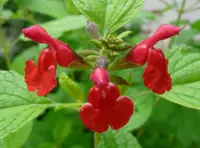
In its native range from southeastern Arizona to central Mexico, this shrub is an important nectar source for hummingbirds, which are drawn to its tubular, usually red to magenta flowers.

Long blooming season

Under mild conditions, this species can flower from late spring well into autumn, providing extended forage for pollinators compared with many other salvias.

Natural hybrid parent

Salvia microphylla freely hybridizes with the closely related Salvia greggii, and many popular ornamental cultivars sold as autumn sage are actually complex hybrids between these two species.

Botan icon

Did you know?

The specific epithet microphylla means small-leaved in Latin and refers to this species’ relatively small, often aromatic foliage compared with many other shrubby salvias.

FAQs about Baby sage

Poor flowering usually comes from too little sun, heavy or nutrient-rich soil, or old, unpruned stems. Give full sun, avoid overfertilizing, and lightly prune after each flush of flowers to stimulate new blooming wood.

Grow Healthy Plants with Botan Care

Keep your plants happy and healthy with plant identification, disease detection, and easy care guidance.

Botan plant care app — identify plants on mobile

Explore More Plants