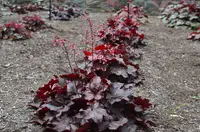
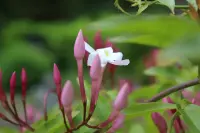
rusty foxglove Care (Digitalis ferruginea)

rusty foxglove

About rusty foxglove

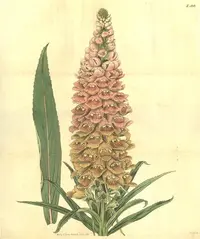
Rusty foxglove, Digitalis ferruginea, is a short-lived perennial often grown as a biennial, valued for its tall flower spikes and architectural form. It typically produces narrow, upright stems lined with many small tubular flowers in warm rusty-yellow to copper tones, giving a textured, naturalistic look.

This species is native to parts of southeastern Europe and western Asia, where it grows in open woods, rocky slopes, and meadows. In gardens, it prefers sun to light shade, moderately moist but well-drained soil, and benefits from consistent conditions.

Once established, it usually self-seeds lightly, helping maintain a patch over time. Understanding how to care for rusty foxglove mainly involves matching its preference for stable moisture and avoiding heavy, waterlogged soil.

Main Plant Requirements

Care Difficulty

Moderate Care

Light Preference

Partial Sun

Water Requirements

Moderate Water

Temperature Preference

Cool Climate

Hardiness Zone

4–8

Soil Texture

Sandy, Loamy, Organic-rich

Soil pH

Acidic (5.5–6.5), Slightly acidic (6.5–7.0)

Soil Drainage

Moist but well-drained

Fertilization

Minimal (feed rarely)

Get Personalized Care Plan

Scan your plant to receive care tips personalized for your specific plant

Available on iOS and Android

How to Care for the rusty foxglove

Digitalis ferruginea prefers bright locations with gentle sun and protection from strong afternoon exposure.

  • Provide 4–6 hours of direct morning sun with light or dappled shade after midday, especially in hot summer climates.
  • Allow partial shade (as little as 2–3 hours of sun) in warmer zones; flowering of rusty foxglove may decrease if shade is too dense.
  • Avoid harsh, all-day sun, which can scorch foliage and dry soil quickly; in winter, increased direct light is usually safe in cooler regions.

Digitalis ferruginea prefers evenly moist, well-drained soil rather than constantly wet conditions.

  • Water when the top 3–5 cm of soil feels dry, aiming for soil that is moist but not soggy around the root zone.
  • Use soil with good drainage and, in heavy clay, amend with organic matter to reduce standing water and prevent root rot or yellowing leaves.
  • In cool spring and fall, watering needs drop; in hot, dry periods, check soil more often to avoid wilting, crispy leaf edges, or stunted flower spikes.

This species grows best in cool to mild conditions with protection from extreme heat and severe frost.

  • Aim for active growth in 60–75°F (16–24°C), which supports strong foliage and flower spike development.
  • Digitalis ferruginea tolerates light frost down to about 20–25°F (-6 to -4°C) once established, but young plants benefit from mulch in cold snaps.
  • In hot climates, sustained temperatures above 85°F (29°C) can stress plants, so provide afternoon shade and sufficient soil moisture during heat waves.

Digitalis ferruginea handles a wide humidity range and usually needs no special adjustment outdoors.

Digitalis ferruginea prefers moist, well-aerated, fast-draining soil that never stays waterlogged.

  • Use a deep, loamy mix with 40–60% garden soil, 20–30% compost, and 20–30% sharp sand or grit for structure and drainage.
  • Aim for slightly acidic to neutral pH, around 6.0–7.0, which supports nutrient uptake and root health.
  • In heavy clay, raise the planting area and blend in coarse sand or fine grit plus compost to improve aeration and reduce waterlogging risk.
  • Avoid compacted, boggy, or very alkaline ground, which encourages root rot and weak, chlorotic foliage.

This species can be grown in containers if the pot is deep, heavy, and drains freely.

  • Choose a container at least 30–35 cm deep to accommodate the taproot and prevent the plant from becoming top-heavy and unstable.
  • Use a heavy terracotta or ceramic pot to reduce tipping in windy sites and to moderate moisture swings around the roots.
  • Elevate the pot slightly on feet or blocks so drainage holes stay clear and excess water escapes quickly in wet weather.

Digitalis ferruginea benefits from light, balanced feeding but performs well in moderately fertile garden soil.

  • Apply a balanced slow-release fertilizer or compost in early spring at the base of plants, avoiding direct contact with stems.
  • Use a low to moderate rate; for liquids, dilute to 1/2 strength to prevent lush, weak growth and lodging.
  • Feed once more in midsummer only if growth looks weak or soil is very poor, especially when caring for rusty foxglove.
  • Stop fertilizing in late summer so plants can harden off before winter dormancy.

Digitalis ferruginea needs simple pruning to manage flowering and maintain tidy rosettes.

  • Deadhead spent flower spikes in early to mid-summer to encourage a neater appearance and sometimes a light rebloom.
  • Leave a few seed spikes to mature if self-sowing in place is desired, then cut them once seed is shed.
  • Remove dead, diseased, or winter-damaged basal leaves in spring using clean, sharp hand pruners or scissors.
  • Avoid cutting healthy green foliage hard to the ground, as this reduces energy reserves for next season.

This species is typically grown in garden beds, so focus on careful transplanting rather than frequent repotting.

  • Transplant Digitalis ferruginea seedlings or young rosettes in early spring or early fall, avoiding heat and drought periods.
  • Move plants when roots just fill the plug or small pot; crowded, circling roots and stalled growth signal the need to shift up.
  • Lift with a generous soil clump to keep the root system intact and replant at the same depth into well-drained soil.
  • Water thoroughly after transplanting, then keep soil evenly moist for 1–2 weeks to limit transplant shock and wilting.

Digitalis ferruginea is most commonly propagated from seed, which maintains genetic diversity and vigor.

  • Sow fresh seeds in late summer or early spring on the soil surface; they need light to germinate.
  • Maintain 60–70°F and evenly moist, not waterlogged, substrate; seedlings usually appear within 2–4 weeks.
  • Prick out and pot on seedlings once they develop several true leaves, handling them gently by the leaves, not stems.
  • Division is rarely practical, as plants have a taproot; divisions often fail or recover poorly.

Digitalis ferruginea is generally cold hardy in temperate climates and needs only modest winter care.

  • In fall, leave most basal foliage intact to shield crowns, removing only clearly dead or diseased leaves.
  • Apply a 5–8 cm layer of mulch around, but not on top of, the crown in colder areas to buffer freeze–thaw cycles.
  • Container-grown plants in zones colder than their rating should be overwintered in a sheltered, unheated but frost-light area.

Care Tips

Sturdy flowering support

Insert discreet bamboo canes or wire hoops on the windy side of the clump in early spring and loosely tie the stems, so the tall spires stay upright and do not snap just as the flowers peak.

Self‑seeding management

Flag a few of the strongest plants and allow only those flower spikes to set seed, cutting the rest back after bloom so you control where new seedlings appear while still renewing the planting.

Seedling thinning strategy

When volunteer seedlings appear, thin them to 20–30 cm apart while small, then transplant the best extras on a cool, overcast day to create a denser, more even stand in future years.

Crown rot prevention

At planting, set the crown just above the final soil level and top-dress with a thin layer of coarse grit or sharp sand around the base to keep the collar drier and reduce crown rot risk when growing rusty foxglove.

Slug and snail protection

In early spring, place wildlife-safe slug barriers or iron phosphate pellets around young rosettes, since early foliage damage can weaken plants and lead to shorter, poorer-quality flower spikes.

Common Pests and Diseases

Aphids

This pest feeds on tender stems and flower spikes, sucking sap and causing distortion, sticky honeydew, and sometimes sooty mold. Symptoms include curling foliage, stunted growth, and clustered green, black, or brown insects on new growth and buds.

Solution

Spray affected stems and flower spikes with a strong jet of water to knock insects off, then treat remaining colonies with insecticidal soap or a ready-to-use neem oil product, repeating every 5–7 days until controlled. Encourage natural predators such as lady beetles and avoid excess nitrogen fertilizer, which promotes soft, aphid-prone growth.

Slugs and snails

These pests chew irregular holes in leaves and can strip young foxglove rosettes, especially in cool, moist conditions. Symptoms include shredded foliage, missing seedlings, and silvery slime trails around plants.

Solution

Hand-pick slugs and snails in the evening, place rough barriers or copper tape around vulnerable clumps, and remove nearby debris where they hide. In heavy infestations, use iron phosphate-based slug pellets placed away from the plant crowns, and keep mulch thinner around the base to reduce shelter sites.

Powdery mildew

This disease shows as white to gray powdery patches on upper leaf surfaces, which can cause yellowing and premature leaf drop in crowded or shaded plantings. Symptoms include a dusty coating on leaves and reduced vigor, especially in late summer.

Solution

Improve air circulation by thinning crowded plants and avoid overhead watering late in the day so foliage dries quickly. Remove and discard heavily infected leaves and, if needed, apply a sulfur or potassium bicarbonate fungicide labeled for ornamentals at the first sign of disease as part of broader Digitalis ferruginea care instructions.

Leaf spot

This disease produces small brown or purplish spots on leaves that can merge into larger blotches, often starting on lower foliage in damp conditions. Symptoms include yellow halos around spots and gradual dieback of older leaves.

Solution

Remove and discard affected lower leaves promptly and keep irrigation at the soil level to avoid wetting foliage. Space plants so leaves dry quickly, clean up plant debris at the end of the season, and, in recurring cases, use a labeled ornamental fungicide early in the season to protect new growth.

Verticillium wilt

This disease is caused by a soil-borne fungus that blocks the plant’s water-conducting tissue, leading to wilting, yellowing, and dieback, often on one side of the plant first. Symptoms include sudden collapse in warm weather despite moist soil and brown discoloration in stem cross-sections.

Solution

Remove and destroy affected plants including as much root material as possible, and avoid planting foxgloves or other susceptible hosts in the same spot for several years. Improve soil drainage, rotate with non-susceptible plants, and buy healthy transplants from reputable sources to reduce the chance of bringing the fungus into the garden.

Interesting Facts

Rust-colored corolla hairs

The common name rusty foxglove comes from the fine ferruginous hairs that line the inside of each tubular flower, giving the blooms a distinct rusty tone when viewed up close.

Bee-guiding flower markings

Each flower bears darker netted veining and a paler throat that act as nectar guides for bees, helping pollinators orient and reach the nectar while contacting the reproductive structures.

Narrow vertical flower spikes

Compared with many other foxgloves, this species forms unusually slender, tall spikes densely packed with small, pendant flowers, giving a more architectural look prized by gardeners growing rusty foxglove in mixed borders.

FAQs about rusty foxglove

Lack of flowering is often due to insufficient light, poor soil fertility, or cutting back the first-year rosette. This biennial type usually blooms in its second year, then may self-seed for future displays.

Grow Healthy Plants with Botan Care

Keep your plants happy and healthy with plant identification, disease detection, and easy care guidance.

Botan plant care app — identify plants on mobile

Explore More Plants