Encourage Dense Growth
Shear back spent flowering stems by about one-third just after the main bloom flush to stimulate compact regrowth and a possible lighter rebloom rather than removing individual stalks over many weeks.

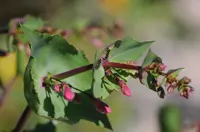
Desert penstemon (Penstemon pseudospectabilis) is a perennial flowering plant native to arid regions of the southwestern United States and northern Mexico. It naturally grows on dry rocky slopes, desert washes, and open scrub.
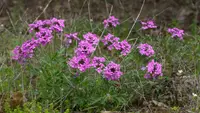
The plant forms upright clumps with tall stems lined by narrow, bluish-green leaves. Showy tubular flowers in shades of pink to magenta attract hummingbirds and native pollinators.
This species is adapted to heat, sun, and low rainfall, which makes it relatively easy in dry, well-drained gardens. Light, infrequent watering and poor, gritty soil usually suit it better than rich, moist conditions.
Gardeners who want to know how to care for desert penstemon mainly need to match its natural dry, sunny habitat as closely as possible.

Care Difficulty
Easy Care

Light Preference
Full Sun

Water Requirements
Low Water

Temperature Preference
Cold Hardy

Hardiness Zone
5–9

Soil Texture
Sandy, Loamy, Rocky

Soil pH
Slightly acidic (6.5–7.0), Neutral (7.0)

Soil Drainage
Well-drained

Fertilization
Minimal (feed rarely)
Scan your plant to receive care tips personalized for your specific plant
Available on iOS and Android
This desert perennial thrives in strong light similar to its native southwestern habitat.
This species prefers dry to moderately dry soil and is sensitive to excess moisture around the roots.
This plant is adapted to desert conditions and handles a wide range of outdoor temperatures when established.
This species is highly tolerant of dry air, so indoor humidity is rarely a concern.
Penstemon pseudospectabilis performs best in lean, rocky, fast-draining soil that mimics desert washes.
This species can be grown in containers, but the setup must prevent any waterlogging.
This desert native needs minimal feeding and often performs well in lean, well-drained soil.
Penstemon pseudospectabilis benefits from light, well-timed pruning to maintain a tidy shape and encourage flowering.
This species is better suited to in-ground planting, so focus on careful transplanting rather than frequent repotting.
New plants are commonly raised from seed, with cuttings used less often for Penstemon pseudospectabilis plant care.
Mature plants are fairly cold hardy in dry climates and usually need little active winter care.

Plant Health Check
Not sure what's wrong with your plant? Check your plant's health inside the app.
This species is naturally concentrated in rocky desert washes and canyons of the Sonoran and Mojave regions, where brief but intense flash floods shape its habitat and help disperse its seeds along drainage corridors.
Its long, tubular, bright pink to magenta corollas, combined with high nectar production and a protruding stigma, show a classic pollination syndrome adapted to hummingbirds, which are its primary pollinators in much of its range.
Mature plants develop a deep, fibrous root system and tough, semi-evergreen foliage that allow them to survive very low rainfall and high summer heat in USDA zones where many other ornamentals fail, making Penstemon pseudospectabilis care well suited to xeric landscapes.

In its native desert range, this penstemon often functions as a nurse plant, providing shade, wind protection, and slightly cooler soil microclimates that improve germination and survival of nearby seedlings of other desert species such as cacti and shrubs.
This species usually flowers in spring to early summer, often from March to June in warmer regions. Peak bloom lasts a few weeks, but individual flower spikes can open sequentially, extending color display over a longer period.
Keep your plants happy and healthy with plant identification, disease detection, and easy care guidance.