Wind-hardening young plants
Gradually expose young plants to increasing airflow over 2–3 weeks so stems flex but do not snap, which produces stronger wood and reduces breakage once planted in a windy site.

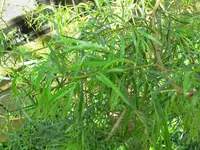
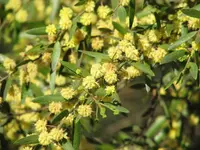
Cinnamon wattle (Acacia leprosa) is an evergreen shrub or small tree known for its fine, feathery foliage and sweetly scented yellow pompom flowers. It often develops a graceful, bushy form that works well in informal gardens and native plantings.
This species is naturally found in southeastern Australia, where it grows in open forests and woodland edges. It tends to be fast-growing and relatively forgiving once established, which makes it appealing for gardeners learning how to care for Cinnamon Wattle.
Acacia leprosa generally prefers bright light, well-drained soil, and moderate moisture, and it performs best when protected from prolonged frost and waterlogged conditions.

Care Difficulty
Moderate Care

Light Preference
Full Sun

Water Requirements
Low Water

Temperature Preference
Warm Climate

Hardiness Zone
9–11

Soil Texture
Sandy, Loamy, Rocky

Soil pH
Acidic (5.5–6.5), Slightly acidic (6.5–7.0)

Soil Drainage
Well-drained

Fertilization
Minimal (feed rarely)
Scan your plant to receive care tips personalized for your specific plant
Available on iOS and Android
This Australian shrub prefers bright light with some protection from harsh conditions.
This species prefers moderately dry conditions once established, with short periods of drought tolerated.
This shrub thrives in mild, low-frost climates with warm summers.
This species tolerates a wide humidity range and rarely needs special humidity management indoors or outdoors.
Acacia leprosa prefers freely draining, slightly lean soil that mimics its native, low-fertility habitats.
This species can be grown in containers if roots are given ample space and excess moisture is avoided.
Acacia leprosa is adapted to low‑nutrient soils and needs only light, infrequent feeding in containers or poor ground sites.
Pruning Acacia leprosa is mainly done to maintain shape, remove damage, and keep the canopy open to light and air.
This species is usually grown in the ground, so focus on careful transplanting rather than frequent repotting.
New Acacia leprosa plants are most reliably raised from seed, with semi‑hardwood cuttings as a secondary option.
Acacia leprosa prefers mild, frost‑light climates and needs some winter protection outside its hardiness range.

Plant Health Check
Not sure what's wrong with your plant? Check your plant's health inside the app.
When crushed or brushed, the leaves release a distinct cinnamon-like aroma caused by volatile oils in the leaf tissue, which is unusual among wattles and gives rise to its common name, cinnamon wattle.
This species often develops long, arching branches with very narrow, sickle-shaped phyllodes, creating a soft, weeping appearance that distinguishes it from many more rigid, upright Acacia species.
Native mainly to cool, moist forests of southeastern Australia, this wattle tolerates light frosts and cooler conditions better than many tropical or arid-zone Acacia species, reflecting its adaptation to upland and foothill habitats.

Some forms of Acacia leprosa, particularly the cultivar Acacia leprosa 'Scarlet Blaze', are notable for producing unusually red to orange-red puffball flowers for a wattle, a color that is rare in the genus, which is typically dominated by yellow flowering species.
Poor flowering usually results from insufficient light, heavy pruning at the wrong time, or nutrient imbalance from excess nitrogen. Allow full recovery after transplanting, prune lightly after flowering only, and use a low‑phosphorus, balanced native fertilizer.
Keep your plants happy and healthy with plant identification, disease detection, and easy care guidance.