Arrowhead Vine Care (Syngonium podophyllum 'Berry Allusion')

Also known as: Nephthytis

About Arrowhead Vine

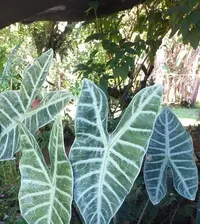
Syngonium podophyllum 'Berry Allusion' is a compact, evergreen tropical vine grown mainly as a foliage houseplant. It is valued for arrow-shaped leaves with soft green tones, pink veins, and a subtle blush. Young plants stay bushy, then may develop climbing or trailing stems with support. In the wild, Syngonium species occur in the tropical forests of Central and South America, where they grow as understory climbers. This cultivar is considered relatively easy to grow, as it tolerates typical indoor conditions and recovers well from minor neglect. It generally prefers bright, indirect light, evenly moist but not waterlogged soil, and moderate indoor humidity, which helps owners understand how to care for Arrowhead Vine.

Main Plant Requirements

Care Difficulty

Easy Care

Light Preference

Bright Indirect Light

Water Requirements

Moderate Water

Temperature Preference

Tropical / Frost Sensitive

Hardiness Zone

11–12

Soil Texture

Loamy, Peaty, Organic-rich

Soil pH

Acidic (5.5–6.5), Slightly acidic (6.5–7.0)

Soil Drainage

Moist but well-drained

Fertilization

Light (every 4–6 weeks)

Get Personalized Care Plan

Scan your plant to receive care tips personalized for your specific plant

Available on iOS and Android

How to Care for the Arrowhead Vine

Syngonium podophyllum 'Berry Allusion' grows best in bright, filtered light that mimics a forest understory.

  • Provide 6–8 hours of bright, indirect light each day, such as near an east or north window or in light shade outdoors.
  • Tolerates partial shade, but in very low light new leaves may be smaller, with duller pink tones and more leggy, stretched stems.
  • Avoid harsh midday and afternoon sun, especially behind glass, which can scorch leaves; shift Arrowhead Vine slightly farther from the window in summer.

Syngonium podophyllum 'Berry Allusion' prefers evenly moist but not saturated soil.

  • Water when the top 2–3 cm of soil feels dry, using enough water so some drains from the bottom if in a pot, then discard excess.
  • Reduce watering slightly in fall and winter as growth slows, but do not allow the root zone to dry completely for long periods.
  • Watch for yellowing, soft leaves as a sign of overwatering and very droopy, crisp-edged leaves as a sign the plant is staying too dry.

This plant prefers warm, stable conditions without sudden temperature swings.

  • Aim for 65–80°F (18–27°C) for best growth, similar to typical indoor room temperatures or a sheltered, warm outdoor spot.
  • Protect from cold; growth slows below 60°F (16°C) and tissue damage can occur below 50°F (10°C), especially with any wind chill.
  • Syngonium podophyllum 'Berry Allusion' does not tolerate frost or prolonged heat above 90°F (32°C); provide shade and extra humidity in hot spells and bring plants indoors before frost.

This plant prefers moderately humid air to keep foliage hydrated and edges smooth.

  • Aim for 50–60% humidity; it tolerates short dips to 40% but growth may slow.
  • Crisp or brown leaf tips and edges, especially away from drafts, indicate air is too dry.
  • Use a pebble tray or group Arrowhead Vine with other plants to raise local humidity without waterlogging roots.

This plant prefers a loose, airy, organic-rich mix that drains quickly but retains some moisture.

  • Use roughly 2 parts peat or coco coir, 1 part perlite, and 1 part fine bark to support Syngonium podophyllum 'Berry Allusion' roots.
  • Choose a mix that feels light and crumbly; it should never compact into a dense, muddy mass after watering.
  • Aim for slightly acidic to neutral pH around 6.0–7.0, which supports nutrient availability and healthy root function.
  • Improve drainage and aeration by increasing perlite or bark content if water lingers in the pot for more than 2–3 days.

This species is well suited to container growing due to its compact, climbing habit and manageable root system.

  • Select a pot that is slightly wider than the root mass to balance moisture retention with airflow around roots.
  • Use a stable, heavier container or place it in a cachepot if stems start to climb or lean, reducing the risk of tipping.
  • Choose terracotta if the mix stays wet for long periods, or plastic if it dries too fast, to fine-tune moisture levels.

Syngonium podophyllum 'Berry Allusion' responds well to modest, consistent feeding during its active growing season.

  • Use a balanced liquid fertilizer (such as 10-10-10 or 20-20-20) diluted to 1/4–1/2 strength for Arrowhead Vine indoor care.
  • Feed every 4–6 weeks in spring and summer when growth is active.
  • Stop or reduce feeding to 1 light application for the whole period in fall and winter.
  • Flush the pot with plain water every 2–3 months to prevent fertilizer salt buildup.

Syngonium podophyllum 'Berry Allusion' benefits from light, targeted pruning to maintain a compact, bushy form.

  • Carry out most pruning in spring or early summer when growth is vigorous.
  • Remove dead, yellowing, damaged, or very crowded stems back to a node to improve airflow and appearance.
  • Pinch or cut soft growing tips to encourage branching and a fuller shape.
  • Use clean, sharp scissors or pruners and disinfect blades before and after use to limit disease spread.

This plant grows well in containers and appreciates periodic repotting to refresh soil and manage root crowding.

  • Check for roots circling the pot, growing through drainage holes, or noticeably slower growth as signs it needs repotting.
  • Plan to repot every 1–2 years in spring, moving to a container 2–5 cm wider with fresh, well-draining mix.
  • Gently loosen circling roots, trim broken ones with clean scissors, and keep the root ball slightly moist during the process.
  • After repotting, water thoroughly once, then keep in bright, indirect light and avoid heavy feeding for 2–3 weeks to reduce stress.

Syngonium podophyllum 'Berry Allusion' is commonly propagated from stem cuttings taken from healthy, actively growing vines.

  • Take 8–12 cm stem sections in spring or early summer, each with at least 1–2 nodes and a few leaves.
  • Remove lower leaves and place the cuttings in water or moist, sterile potting mix, keeping nodes buried.
  • Maintain warm temperatures around 70–80°F and high humidity, with bright, indirect light to encourage rooting.
  • Once roots reach about 3–5 cm, pot cuttings into a small container and keep evenly moist until established.

This tropical houseplant is frost sensitive and needs consistent indoor conditions during winter in cold climates.

  • Keep temperatures around 65–75°F and avoid exposing the plant to drafts, heaters, or cold window glass.
  • Move any outdoor containers indoors before temperatures drop below 55°F.
  • Water less often in winter, allowing the top 2–3 cm of soil to dry, but do not let the root ball fully dry out.
  • Maintain moderate humidity, 40–60%, using a pebble tray or room humidifier if indoor air is very dry.

Care Tips

Rotate For Symmetry

Turn the pot 90° every 1–2 weeks so new leaves develop evenly and the plant keeps a balanced, compact form instead of leaning heavily to one side.

Guide Compact Vines

Pin soft young stems gently along a small hoop, moss pole, or trellis to create a fuller, bushier look instead of one long trailing vine, securing only at 2–3 points with soft plant ties.

Use Clean Support Stakes

If a stem becomes floppy or top-heavy, insert a clean plastic or sealed bamboo stake near the root zone and attach the stem loosely with soft ties to prevent breakage without damaging the roots.

Proactive Pest Inspection

Check leaf undersides, petiole joints, and new growth every 1–2 weeks with a hand lens if possible, and rinse foliage under a gentle shower at the first sign of sticky residue, webbing, or specks before pests establish.

Seasonal Growth Check

At the start of spring, mark the pot rim and the tallest stem with a small piece of tape, then compare height and fullness after 8–10 weeks to decide whether to step up the pot size, divide, or prune to manage how to take care of Arrowhead Vine over the coming season.

Common Pests and Diseases

Spider mites

This pest often appears when air is warm and dry, causing tiny yellow stippling and fine webbing on the foliage. Symptoms include dull, dusty-looking leaves and gradual leaf drop if populations build up.

Solution

Rinse leaves thoroughly with lukewarm water, including leaf undersides, and repeat every few days to break the life cycle. Increase humidity to 50–60%, isolate the plant, and if infestation persists, apply a horticultural soap or neem oil spray labeled for indoor use, following the product instructions carefully.

Mealybugs

These insects form white, cottony clusters in leaf axils, along stems, and sometimes on roots, feeding on sap and weakening growth. Symptoms include sticky honeydew, distorted new leaves, and slow, stressed growth.

Solution

Remove visible insects with a cotton swab dipped in isopropyl alcohol and wipe affected areas thoroughly. For larger populations, shower the plant to dislodge pests, then apply insecticidal soap or neem oil every 7–10 days until no new mealybugs appear, checking hidden crevices closely as part of Syngonium podophyllum 'Berry Allusion' plant care.

Bacterial leaf spot

This disease causes small, water-soaked lesions that turn brown with yellow halos, often starting on lower, older leaves. Symptoms include irregular spots that may merge and cause large dead patches on the leaf surface.

Solution

Remove and discard affected leaves promptly and avoid splashing water on foliage, especially in low light. Improve air circulation around the plant, keep leaves dry, and if spread continues, consider disposing of heavily infected plants to protect other houseplants nearby.

Fungal leaf blight

This disease leads to tan or brown patches starting at the leaf edge or tip, sometimes with a darker border and dry, papery texture. Symptoms include rapid expansion of lesions in warm, humid, stagnant air conditions.

Solution

Prune and discard damaged leaves, sterilizing scissors between cuts, and allow the soil surface to dry slightly between waterings. Increase airflow, avoid overhead watering, and use a copper-based or houseplant-safe fungicide if new spots keep appearing despite cultural adjustments.

Scale insects

These insects appear as small, brown or tan bumps on stems and leaf veins, remaining fixed in place while sucking sap. Symptoms include sticky honeydew, yellowing leaves, and poor, stunted growth over time.

Solution

Gently scrape or wipe off individual scales with a fingernail or soft cloth dipped in isopropyl alcohol, targeting both stems and leaf midribs. Follow up with repeated applications of insecticidal soap or horticultural oil every 7–10 days, and isolate the plant from others until no new scales are seen.

Interesting Facts

Stable pink variegation

This cultivar was selected for its consistent soft pink blush between the leaf veins, which tends to stay stable over time under typical indoor light, unlike many highly variegated arrowhead types that frequently revert to greener foliage.

Compact juvenile foliage

Compared with many other Syngonium selections, it stays in its juvenile arrowhead-leaf phase for longer and remains more compact, which makes it popular for small indoor spaces and mixed planters.

Subtle color-shift with light

Its pale green leaves with pink tones often show a noticeable shift in color saturation depending on light intensity, with brighter but indirect light bringing out stronger pink highlights while lower light yields softer, more muted tones.

FAQs about Arrowhead Vine

Brown leaf edges usually come from low humidity, underwatering, or heat and draft stress. Leaf tips dry first. Increase ambient humidity, water thoroughly but not constantly, and keep the plant away from heaters, air vents, and cold drafts.

Grow Healthy Plants with Botan Care

Keep your plants happy and healthy with plant identification, disease detection, and easy care guidance.

Botan plant care app — identify plants on mobile

Explore More Plants