Abutilon mauritianum Care

Abutilon mauritianum

About Abutilon mauritianum

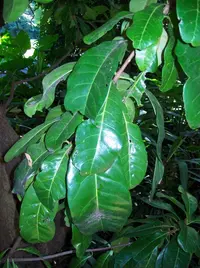
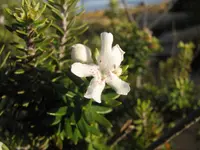
Abutilon mauritianum is a fast-growing shrub from the mallow family, typically semi-woody with a loose, branching habit. It often carries soft, slightly hairy leaves and modest bell-shaped flowers. Native to coastal and lowland areas of the southwest Indian Ocean region, it is sometimes found in disturbed sites and scrub vegetation. This background makes it generally adaptable and tolerant of wind and poorer soils. The plant is usually easy to manage if given mild climates, good light, and reasonably well-drained soil. Gardeners who learn how to care for Abutilon mauritianum will find it a practical option for informal hedges, mixed borders, or larger containers in frost-free areas.

Main Plant Requirements

Care Difficulty

Moderate Care

Light Preference

Partial Sun

Water Requirements

Moderate Water

Temperature Preference

Tropical / Frost Sensitive

Hardiness Zone

10–11

Soil Texture

Sandy, Loamy, Organic-rich

Soil pH

Acidic (5.5–6.5), Slightly acidic (6.5–7.0)

Soil Drainage

Moist but well-drained

Fertilization

Light (every 4–6 weeks)

Get Personalized Care Plan

Scan your plant to receive care tips personalized for your specific plant

Available on iOS and Android

How to Care for the Abutilon mauritianum

This species prefers bright, gentle light that supports compact growth and flowering.

  • Provide 4–6 hours of morning sun with light shade or filtered light in the afternoon, especially in hot summers.
  • In mild climates, Abutilon mauritianum tolerates light, shifting shade but becomes sparse and flowers less if light drops below about 3–4 hours daily.
  • Avoid harsh midday sun that can scorch leaves; in winter, allow more direct sun and avoid heavy shade from buildings or evergreens.

This shrub prefers evenly moist, well-drained soil without long dry or waterlogged periods.

  • Water when the top 3–5 cm of soil feels dry, soaking the root zone thoroughly, then let excess drain away.
  • In spring and summer, expect more frequent watering during active growth; reduce frequency in cooler months while preventing the root ball from fully drying.
  • Yellowing, soft leaves and persistent wet soil indicate overwatering, while dull, drooping leaves and dry, pulling soil signal the need to water Abutilon mauritianum.

Stable, mild temperatures support healthy growth and flowering for this species.

  • Aim for 65–80°F (18–27°C) during active growth; plants slow noticeably below 60°F (16°C).
  • Treat it as frost-sensitive; brief drops near 32°F (0°C) can damage foliage, and hard frost will likely kill young growth.
  • In hotter periods above 90°F (32°C), provide afternoon shade and consistent soil moisture to reduce heat stress and leaf scorch.

This species prefers moderately moist air but copes with typical household humidity.

  • Aim for 40–60% humidity to reduce leaf edge browning and keep growth steady.
  • It tolerates brief drier air, but chronic levels under 30% can cause curled, crispy leaf tips and increased spider mites.
  • Increase humidity with a nearby pebble tray or grouping plants, but avoid misting flowers directly to reduce fungal spotting.

This shrub performs best in loose, well-drained, moderately fertile soil.

  • Use a mix of 50–60% peat- or coir-based potting substrate, 20–30% compost, and 20–30% perlite or coarse sand for structure and drainage.
  • Aim for slightly acidic to neutral pH, around 6.0–7.0, which supports nutrient availability for Abutilon mauritianum.
  • Ensure the soil feels springy rather than compact; incorporate fine bark or perlite if it packs down after watering.
  • Avoid heavy clay, waterlogged spots, or mixes with a high proportion of fine sand that can set hard and suffocate roots.

This species is well suited to container culture outdoors or in bright sheltered spaces.

  • Choose a pot wide enough to support its bushy canopy so wind does not easily tip the plant over.
  • Use a container material that matches your climate, such as heavier ceramic in windy sites to stabilize the root ball.
  • Select a pot depth that allows a broad, fibrous root system to spread rather than forcing roots into a narrow column.

This shrub benefits from light, steady feeding during the active growing season.

  • Use a balanced, liquid fertilizer (around 10-10-10 or 20-20-20) at 1/2 strength every 4–6 weeks in spring and summer for Abutilon mauritianum.
  • Alternatively, apply a thin layer of compost or a mild slow-release fertilizer at the start of spring.
  • Water before and after feeding to prevent root burn and help distribute nutrients evenly.
  • Stop or greatly reduce feeding in fall and winter when growth slows.

Thoughtful pruning keeps Abutilon mauritianum compact, healthy, and flowering well.

  • Carry out main pruning in late winter or early spring before strong new growth begins.
  • Remove dead, diseased, or crossing stems using clean, sharp hand pruners to limit tearing.
  • Thin crowded interior shoots to improve light penetration and air movement through the canopy.
  • Shorten excessively long stems by up to one-third to control height and encourage bushier growth and more blooms.

Container or nursery-grown plants benefit from periodic repotting or careful transplanting to maintain vigorous growth.

  • Plan repotting or outdoor transplanting in early spring, just before strong new growth starts.
  • Look for roots circling the pot, reduced vigor, or very fast drying soil as signs it needs more space.
  • Move to a pot 2–5 cm wider or into a well-prepared garden hole with free-draining, enriched soil.
  • Keep root disturbance moderate, water thoroughly, and shade from strong sun for 3–7 days to reduce transplant shock.

This species is commonly propagated from softwood cuttings or seeds when managed under warm, sheltered conditions.

  • Take 7–10 cm softwood or semi-ripe cuttings in late spring to summer, removing lower leaves.
  • Dip cut ends in rooting hormone and place in a moist, free-draining mix under high humidity and bright, indirect light.
  • Sow fresh seed in spring on the surface of a sterile mix, lightly covered, kept at 68–75°F.
  • Maintain gentle bottom warmth if possible and avoid waterlogging to reduce rot and improve strike rates.

This plant is frost sensitive and benefits from targeted winter protection in cooler climates.

  • In regions with frost, grow in containers and overwinter indoors or in a bright, frost-free greenhouse.
  • Maintain indoor temperatures above 45–50°F and reduce watering so soil stays slightly moist, not wet.
  • For plants in mild climates, add 5–8 cm of organic mulch around the root zone, keeping it off the stems.

Care Tips

Wind‑firm training

In the first growing season, pinch back soft tips and stake young shoots lightly so the shrub develops a low, branching framework that better tolerates wind and reduces breakage of its brittle stems.


Targeted magnesium support

If older leaves yellow between the veins while newer growth stays green, apply a magnesium supplement such as Epsom salt at label rates to correct deficiency without overloading nitrogen or phosphorus.

Salt‑spray management

In coastal gardens, gently hose foliage with fresh water every few weeks during dry spells to remove salt deposits that can burn leaf edges and reduce photosynthesis.

Beneficial insect habitat

Plant small-flowered companions nearby, such as dill or yarrow, to attract hoverflies and parasitic wasps that help control whiteflies and aphids, two common pests when growing Abutilon mauritianum.

Cold‑season rollback

In regions with occasional light frost, mark the plant’s base and keep a mulch-free collar around the crown, then cut back any frost-damaged stems in late winter to just above healthy wood to encourage clean regrowth.

Common Pests and Diseases

Spider mites

This pest often colonizes the undersides of leaves, especially in warm, dry conditions, causing fine stippling, yellowing, and webbing on Abutilon foliage.

Solution

Rinse foliage thoroughly with a strong but controlled stream of water, then increase humidity and isolate the plant; for persistent infestations use insecticidal soap or a neem oil spray, repeating every 5–7 days until no new damage appears.

Whiteflies

These insects feed on leaf sap, causing leaf yellowing, sticky honeydew, and sooty mold on Abutilon mauritianum, particularly in sheltered or greenhouse conditions.

Solution

Shake or tap branches to confirm activity, then use yellow sticky traps, remove heavily infested leaves, and treat remaining foliage with insecticidal soap or horticultural oil, ensuring thorough coverage of leaf undersides and repeating at short intervals to break the life cycle.

Aphids

This pest clusters on young shoots, buds, and leaf undersides, distorting new growth and excreting honeydew that encourages black sooty mold.

Solution

Prune or pinch off heavily infested tips, then wash stems and leaves with lukewarm water and apply insecticidal soap, repeating treatment while also reducing excess nitrogen fertilization that encourages soft, aphid-prone growth.

Powdery mildew

This disease appears as white, powdery patches on leaves and young stems, often in conditions with warm days, cool nights, and poor air movement, and can reduce flowering and vigor.

Solution

Remove and discard affected leaves, improve spacing and airflow, avoid wetting foliage late in the day, and if needed apply a sulfur-based or potassium bicarbonate fungicide labeled for ornamental plants, following label directions carefully as part of broader Abutilon mauritianum care.

Leaf spot

Symptoms include small brown, purple, or tan spots on leaves that may enlarge and merge, sometimes leading to premature leaf drop under humid or overcrowded conditions.

Solution

Promptly remove affected leaves, keep foliage dry by using soil-level watering, improve air circulation, and in recurring cases use a copper-based fungicide according to label directions, while also reducing overhead irrigation and crowding around the plant.

Interesting Facts

Mauritius coastal native

This species is naturally restricted to lowland coastal areas of Mauritius, where it grows in dry scrub and rocky habitats that experience strong sun and wind exposure.

Hibiscus family relative

It belongs to the Malvaceae family, the same group as hibiscus and okra, and shows the typical family traits of funnel-shaped flowers with a central column of fused stamens.

Role in dry thickets

In its native range it often forms part of open, shrubby thickets, helping stabilize thin soils and providing shelter and food resources for local insects and other small organisms.

FAQs about Abutilon mauritianum

This species is relatively fast-growing in warm conditions, often putting on strong new shoots each season. Growth slows in cooler weather or poor soil. Regular light pruning and balanced feeding help maintain vigorous but manageable growth.

Grow Healthy Plants with Botan Care

Keep your plants happy and healthy with plant identification, disease detection, and easy care guidance.

Botan plant care app — identify plants on mobile

Explore More Plants