Early stem training
While stems are still flexible, gently tie new canes to a fan shape against a support, spacing them 10–15 cm apart to increase airflow and produce more flowering side shoots along each cane.

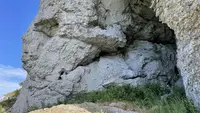
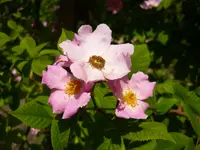
Large-leaved rose, Rosa marginata, is a deciduous shrub rose known for its relatively broad leaflets and traditional, wild-rose look. It forms an upright, bushy habit with simple, single flowers and ornamental hips after flowering.
This species is native to parts of Europe and western Asia, where it typically grows in sunny, open sites and light woodland edges. It is usually considered a hardy, outdoor garden rose that tolerates cold and variable weather.
Rosa marginata prefers full sun, moderate moisture, and well-drained, fertile soil, similar to other species roses. Its natural toughness and simple structure make it moderately easy for gardeners who want to learn how to care for Large-leaved Rose.

Care Difficulty
Moderate Care

Light Preference
Full Sun

Water Requirements
Moderate Water

Temperature Preference
Cool Climate

Hardiness Zone
5–8

Soil Texture
Loamy, Sandy, Organic-rich

Soil pH
Acidic (5.5–6.5), Slightly acidic (6.5–7.0)

Soil Drainage
Moist but well-drained

Fertilization
Light (every 4–6 weeks)
Scan your plant to receive care tips personalized for your specific plant
Available on iOS and Android
Rosa marginata performs best in open sites with consistent, direct light.
Rosa marginata prefers evenly moist, well-drained soil rather than constant wetness.
This rose is hardy outdoors and manages a wide range of temperate-climate conditions.
Rosa marginata grows best in relatively moderate outdoor humidity but tolerates short dry spells.
Rosa marginata prefers deep, well-drained, fertile soil that retains moisture without staying saturated.
This species can be grown in containers if the pot is sized and weighted to support its woody, top-heavy growth.
This species benefits from moderate, targeted feeding during the growing season to support flowering and healthy foliage.
Pruning supports the natural form of Rosa marginata and maintains flowering performance and plant health.
This rose is usually grown in the ground, so transplanting and site adjustment matter more than frequent repotting.
Rosa marginata is commonly multiplied by cuttings and layering, with seeds used mainly for breeding or natural spread.
This rose is generally cold hardy in many temperate regions but benefits from some winter root and stem protection in harsher climates.

Plant Health Check
Not sure what's wrong with your plant? Check your plant's health inside the app.
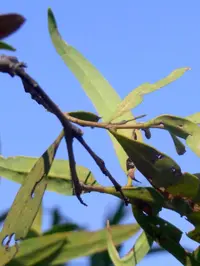
This species is noted for its finely toothed and clearly outlined leaf edges, which give the foliage a more textured appearance than many other wild roses in its group.
Rosa marginata is naturally restricted to parts of Central Asia, including regions of Kazakhstan and nearby areas, where it grows in steppe and mountain foothill habitats.
Some botanists treat this rose as a distinct species, while others consider it closely allied to or possibly conspecific with certain forms of Rosa majalis, reflecting ongoing discussion in rose taxonomy.
Lack of flowers usually comes from insufficient light, heavy pruning at the wrong time, or excess nitrogen fertilizer. Old, congested wood, drought stress, or root disturbance also reduce bud formation. Prune lightly after flowering and feed with balanced nutrients.
Keep your plants happy and healthy with plant identification, disease detection, and easy care guidance.