sweet acacia Care (Acacia suaveolens)

Also known as: Sweet Wattle, Sweet-scented Wattle
sweet acacia

About sweet acacia

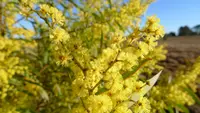
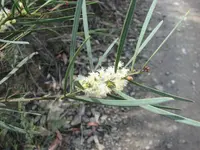
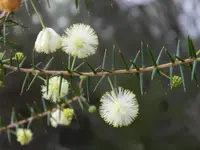
Sweet acacia (Acacia suaveolens) is a small to medium shrub from the legume family, valued for its fragrant, pale cream to yellow flowers. It typically forms a fine-textured, airy shrub with slender stems and narrow, bluish-green foliage.

This species is native to eastern and southeastern Australia, where it grows in dry sclerophyll woodland and heath. In gardens, it is often used in low-maintenance, drought-tolerant plantings.

Acacia suaveolens grows relatively fast and can be short-lived, so it suits gardeners comfortable with occasional replacement. It responds well to good light, well-drained soil, and modest watering, which makes it straightforward to care for sweet acacia in suitable climates.

Main Plant Requirements

Care Difficulty

Moderate Care

Light Preference

Full Sun

Water Requirements

Low Water

Temperature Preference

Warm Climate

Hardiness Zone

9–11

Soil Texture

Sandy, Loamy, Rocky

Soil pH

Acidic (5.5–6.5), Slightly acidic (6.5–7.0)

Soil Drainage

Well-drained

Fertilization

Minimal (feed rarely)

Get Personalized Care Plan

Scan your plant to receive care tips personalized for your specific plant

Available on iOS and Android

How to Care for the sweet acacia

This Australian shrub prefers bright, open conditions that mimic coastal heathland light.

  • Provide 6–8 hours of direct sun daily; morning sun and light afternoon shade reduce leaf scorch in hot inland summers.
  • Tolerates light or dappled shade for part of the day, but flowering on sweet acacia drops if grown in less than 4–5 hours of sun.
  • In cooler or coastal climates, full sun all day is suitable, but in very hot zones use filtered light during peak midday hours.

This drought-tolerant shrub prefers infrequent, deep watering once established.

  • Allow the top 5–8 cm of soil to dry before watering; in free-draining ground this often means long gaps between waterings after the first year.
  • During the first growing season, water when new growth slows and soil is dry at finger depth; reduce further in cool or rainy months.
  • Use sharply draining, sandy or gravelly soil to prevent root rot in Acacia suaveolens; yellowing, soft foliage usually signals overwatering, while curling and leaf drop suggest drought stress.

This species thrives in mild, frost-free climates with warm, dry summers.

  • Optimal growth occurs around 65–80°F (18–27°C), with best establishment during mild spring and autumn conditions.
  • Mature plants usually tolerate brief dips to about 25–28°F (-4 to -2°C), but young plants are damaged near freezing; protect from radiational frost pockets.
  • Tolerates dry heat up to about 95–100°F (35–38°C) if roots are established and soil drains freely, but prolonged hot, humid conditions increase stress and disease risk.

This species handles low indoor humidity but grows best with slightly moist air.

  • Aim for 30–50% humidity, which most heated and air-conditioned homes naturally provide.
  • Dry air is usually tolerated, but prolonged humidity below 25% may cause leaf tips to brown and fine foliage to shed.
  • Increase humidity locally by grouping plants, setting the pot on a pebble tray with water below the pot base, or using a small room humidifier near sweet acacia.

This shrub prefers light, fast-draining soil that mimics its native sandy habitat.

  • Use a sandy or sandy-loam mix, such as 50–60% coarse sand with the rest split between regular potting mix and fine bark.
  • Ensure very rapid drainage; water should pass through the mix within seconds and not leave the soil waterlogged.
  • Keep pH slightly acidic to neutral (about 6.0–7.5), avoiding highly alkaline or saline conditions that restrict nutrient uptake.
  • Improve aeration by adding perlite or horticultural grit and avoid heavy clay, dense compost-only mixes, or any substrate that compacts when dry.

This species can be grown in containers if the pot and substrate prevent waterlogging and root restriction.

  • Choose a deep, narrow, and heavy pot to balance the shrub’s woody top growth and reduce the risk of tipping in wind.
  • Select unglazed clay if extra moisture loss is needed in wet climates, or thicker plastic in hot, dry areas to slow drying.
  • Raise the pot slightly on feet or bricks so drainage holes stay clear and excess water can escape rapidly after rain or irrigation.

This nitrogen-fixing shrub needs only light feeding in most garden soils.

  • Use a low-strength balanced fertilizer (around 10-10-10) or a thin layer of compost in early spring to support new growth.
  • Feed outdoor Acacia suaveolens no more than 1–2 times during the growing season in lean, sandy soils.
  • Dilute liquid fertilizer to 1/2–1/4 strength to avoid salt buildup and excessive, weak growth.
  • Stop feeding in late summer and avoid fertilization in fall and winter to allow wood to harden and prevent tender, frost-prone shoots.

Pruning Acacia suaveolens is mainly about maintaining structure and removing problem wood.

  • Carry out light pruning after flowering, usually in late winter to early spring, to avoid cutting off next year’s buds.
  • Remove dead, diseased, crossing, or inward-growing branches to improve air movement and reduce pest issues.
  • Shorten overly long shoots to maintain a balanced, bushy shape without cutting into very old, thick wood.
  • Use clean, sharp bypass pruners and make angled cuts just above healthy outward-facing buds or side branches.

This shrub is usually grown in the ground, so focus on careful transplanting rather than frequent repotting.

  • Transplant young plants in late winter or early spring when growth is just starting and temperatures are mild.
  • Look for signs such as roots circling the pot, slow growth, or plants drying out quickly as cues to move container-grown plants up 1 pot size.
  • Choose a well-drained, sandy mix and disturb the root ball as little as possible, only loosening tightly circling roots.
  • Water thoroughly after transplanting, then keep soil slightly moist but never waterlogged to reduce transplant shock and support re-establishment.

Acacia suaveolens is most reliably propagated from seed with a short pre-treatment step.

  • Collect ripe seed pods, dry them, and store seeds cool and dry until late winter or early spring sowing.
  • Scarify hard seed coats by nicking with a blade or pouring just-boiled, then cooling, water over seeds and soaking 12–24 hours.
  • Sow in a very free-draining, sandy mix, covering seeds lightly and keeping at 65–75°F with bright light but no direct midday sun.
  • Maintain lightly moist, not wet, conditions; germination can be slow and uneven, so label trays and avoid disturbing emerging seedlings.

This species has moderate frost tolerance but benefits from some winter protection in colder climates.

  • In mild coastal or Mediterranean climates, established plants usually overwinter outdoors without special treatment.
  • In regions below about 20–25°F, grow Acacia suaveolens in containers and move them to a bright, frost-free space for winter.
  • Apply a 5–8 cm mulch layer around the root zone in late fall, keeping it away from the stem base to moderate soil temperature and moisture.

Care Tips

Root zone protection

Apply a 3–5 cm layer of coarse gravel or inorganic mulch around, but not touching, the stem base to keep the root zone cool, reduce evaporation, and prevent collar rot in hot, exposed sites.

Wind-hardening young plants

For the first 6–12 months, stake lightly and expose the plant gradually to stronger winds, loosening or removing ties once the stem thickens so it develops a sturdy, self-supporting framework.

Low-phosphorus management

Select fertilizers labeled for native or phosphorus-sensitive plants and avoid manure-based composts, which helps protect the species’ sensitive root system from phosphorus toxicity.

Targeted renewal pruning

After flowering, remove a portion of the oldest, bare or crossing branches back to a lower side shoot to maintain an open structure, encourage new flowering growth, and improve air movement through the canopy.

Drought-readiness training

During establishment, extend the interval between deep waterings over several months to encourage deeper rooting, which increases resilience during hot, dry spells when growing sweet acacia outdoors.

Common Pests and Diseases

Scale insects

This pest attaches to stems and leaves, sucking sap and weakening plants, especially in dry, sheltered conditions. Symptoms include small dome-shaped bumps, sticky honeydew, and sooty black mold on foliage and stems.

Solution

Prune heavily infested twigs, then wipe remaining colonies with a cotton pad dipped in isopropyl alcohol or insecticidal soap. For larger plantings, use a light horticultural oil spray during mild weather, ensuring thorough coverage of stems and the underside of foliage while improving plant vigor with appropriate watering and full-sun exposure.

Borers

These insects tunnel into woody stems, causing dieback of branches, sparse foliage, and sudden wilting of sections of the shrub. Symptoms include small entry holes, frass (sawdust-like material), and internal galleries when stems are cut open.

Solution

Cut out and destroy affected stems several inches below visible damage to remove larvae, then encourage strong regrowth with good light and minimal water stress. Avoid wounding trunks, reduce stress from drought or waterlogging, and in high-risk areas consider applying a targeted systemic insecticide according to label directions when adults are active.

Phytophthora dieback

This disease, caused by soil-borne water molds, leads to progressive branch dieback, sparse yellowing foliage, and eventual plant death in poorly drained or seasonally waterlogged soils. Symptoms include sudden collapse of branches and dark staining in the lower stem or roots.

Solution

Remove and destroy severely affected plants and avoid replanting susceptible species in the same poorly drained spot. Improve drainage, avoid overhead irrigation and prolonged wet soil, and in known Phytophthora areas keep traffic off wet soil; commercial growers may use registered phosphite (phosphonate) drenches or injections as part of an integrated program.

Rust

This disease produces orange to brown powdery pustules on leaves and young stems, often leading to premature leaf drop in humid or crowded conditions. Symptoms include discolored spots on the upper leaf surface and dusty spore masses underneath.

Solution

Remove and dispose of infected leaves and prune to open the canopy, improving light and air movement around the plant. Avoid overhead watering, space plants to reduce humidity, and if rust recurs, consider a registered fungicide labeled for rust on ornamentals, applied preventively during warm, moist periods.

Myrtle rust

This disease, caused by the fungus Austropuccinia psidii, affects many Australian Myrtaceae and has been recorded on related native plantings, causing bright yellow pustules, leaf distortion, and tip dieback. Symptoms include deformed new growth and yellow powdery spots on young leaves and shoots.

Solution

Inspect plants regularly and remove infected shoots early, disposing of them in sealed bags to reduce spore spread. In regions where myrtle rust is present, avoid overhead watering, limit movement of plant material, and in high-value collections consider preventive fungicide sprays recommended by local extension services as part of broader sweet acacia care instructions.

Interesting Facts

Early post-fire bloomer

In its native southeastern Australia, this species is one of the first shrubs to flower after bushfires, taking advantage of increased light and nutrients while many competitors are still recovering.

Fragrant winter flowering

The shrub typically blooms from late winter into early spring, producing pale cream to soft yellow, sweetly scented flower heads that provide nectar and pollen when few other plants are in flower.

Winged seed dispersal

Its small, hard seeds have a narrow wing-like structure on the pod segments, which helps them drop and spread around the parent plant, where they often lie dormant in the soil seed bank until fire or disturbance triggers germination.

Botan icon

Did you know?

Acacia suaveolens often acts as a natural pioneer species on poor, sandy or skeletal soils near the Australian coast, stabilizing loose substrates and improving local conditions so that slower-growing shrubs and trees can establish later in succession.

FAQs about sweet acacia

Lack of flowers usually comes from insufficient light, excess nitrogen fertilizer, or heavy pruning at the wrong time. Ensure strong sun exposure, use a balanced or low-nitrogen fertilizer, and prune only lightly after the main flowering period.

Grow Healthy Plants with Botan Care

Keep your plants happy and healthy with plant identification, disease detection, and easy care guidance.

Botan plant care app — identify plants on mobile

Explore More Plants