juniper wattle Care (Acacia ulicifolia)

Also known as: prickly Moses, prickly-leaved wattle, gorse wattle
juniper wattle

About juniper wattle

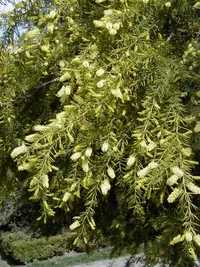
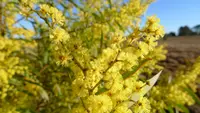
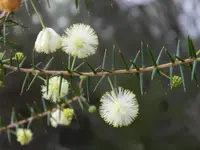
Juniper wattle, Acacia ulicifolia, is a small, dense shrub native to southeastern Australia. It typically forms a rounded, bushy shape with stiff, narrow foliage. Cream to pale yellow flower clusters appear along the stems, giving a soft, fine-textured look despite the plant’s prickly character. It is often found in heathland and open woodland on sandy or rocky soils. This species is adapted to poor, well-drained ground and seasonal dryness, which can make it resilient once established. Those learning how to care for juniper wattle should note its preference for full sun, low to moderate moisture, and low-fertility, free-draining soil.

Main Plant Requirements

Care Difficulty

Easy Care

Light Preference

Full Sun

Water Requirements

Low Water

Temperature Preference

Warm Climate

Hardiness Zone

8–11

Soil Texture

Sandy, Loamy, Rocky

Soil pH

Acidic (5.5–6.5), Slightly acidic (6.5–7.0)

Soil Drainage

Well-drained

Fertilization

Minimal (feed rarely)

Get Personalized Care Plan

Scan your plant to receive care tips personalized for your specific plant

Available on iOS and Android

How to Care for the juniper wattle

Acacia ulicifolia thrives in bright, open conditions typical of its native heath and woodland habitats.

  • Provide 6–8 hours of direct sun daily; morning sun with light afternoon shade works well in hot summer regions.
  • It tolerates light or dappled shade for part of the day, but dense shade leads to sparse growth and fewer flowers in juniper wattle.
  • Monitor foliage in midsummer; leaf scorch or yellowing on the sunniest side suggests too much harsh afternoon sun and benefit from slight shading.

This species prefers dry to moderately dry soil and resents prolonged wet conditions.

  • Allow the top 5–10 cm of soil to dry before watering, then water deeply so the root zone is moistened, especially during the first 1–2 growing seasons.
  • In summer heat, watch for slight leaf droop or dull, folding foliage as a sign to water; in cooler months, watering may drop to only occasional deep soakings.
  • Ensure sharply drained, sandy or gravelly soil; yellowing leaves, soft stems, or a sour soil smell indicate overwatering and poor drainage for Acacia ulicifolia.

This shrub is adapted to mild, low-frost climates with warm, dry summers and cool winters.

  • Optimal growth occurs around 60–80°F (16–27°C), with steady performance in climates that avoid long periods of extreme heat or cold.
  • It tolerates brief drops to about 25°F (−4°C), but repeated hard frosts below this can damage young shoots and reduce flowering.
  • In hot regions, plants handle 90–95°F (32–35°C) if soil is not waterlogged; mulch lightly to buffer root temperatures and reduce stress in heat waves.

This species tolerates a wide humidity range and rarely needs special humidity management indoors or outdoors.

  • Target 30–50% humidity, as juniper wattle is adapted to relatively dry, open habitats and does not require extra moisture in the air.
  • Dry indoor air usually causes no issues, but extremely heated rooms below about 25% humidity can increase leaf tip browning.
  • If air is very dry and foliage shows crisp edges, increase humidity slightly by grouping plants or placing a shallow water tray nearby without wetting the root zone.

Acacia ulicifolia prefers light, free-draining soil that mimics its native, nutrient-poor habitats.

  • Use a sandy or sandy-loam mix with coarse particles so water drains quickly and air reaches the roots easily.
  • Aim for slightly acidic to neutral pH, roughly 6.0–7.0, avoiding strongly alkaline substrates that can limit nutrient availability.
  • Combine roughly 50–60% coarse sand, 20–30% fine gravel or pumice, and 10–20% low-nutrient compost or leaf mold to provide structure with modest organic content.
  • Avoid heavy clay, peat-dominant, or water-retentive mixes, which raise the risk of root rot and poor aeration, especially in cool conditions.

This shrub can be grown in containers, provided the setup prioritizes rapid drainage and root stability.

  • Choose a deep, heavy container to counterbalance the woody top growth and reduce the risk of the pot tipping in wind.
  • Select unglazed terracotta or similarly porous material to allow faster moisture loss, which suits its dislike of waterlogged roots.
  • Elevate the pot slightly on risers so drainage holes remain clear and excess water can escape quickly after rain or irrigation.

This Australian native shrub grows on poor soils and usually needs only light feeding when cultivated.

  • Use a low-dose, slow-release native plant fertilizer or very dilute balanced NPK (about 1/2 strength) in spring.
  • Apply once at the start of the growing season; a second light feed in midsummer is enough for caring for juniper wattle.
  • Avoid high-phosphorus products, which can stress Acacia ulicifolia and other Australian natives.
  • Do not feed in late fall or winter, when growth slows and nutrient demand drops.

Pruning Acacia ulicifolia is mainly corrective and helps maintain a compact, healthy shrub.

  • Carry out pruning after main flowering finishes, usually in late winter or early spring.
  • Remove dead, diseased, or crossing branches first to improve air flow and reduce disease risk.
  • Shorten overly long shoots to maintain shape, cutting back to a healthy outward-facing bud or side branch.
  • Use clean, sharp hand pruners for small stems and avoid cutting into very old, thick wood when possible.

This species is more often planted in the ground than kept in containers, so focus on careful transplanting for long-term success.

  • Transplant young plants in late winter to early spring, when soil is moist and temperatures are mild.
  • Look for signs like roots circling the pot, slow growth, or the plant drying out quickly as cues to shift up one pot size or plant out.
  • Disturb roots as little as possible; slide the root ball out, tease only tightly circling roots, and replant at the same depth.
  • Water in thoroughly to settle soil around the roots, then keep evenly moist but not waterlogged for several weeks to reduce transplant stress.

New Acacia ulicifolia plants are most reliably raised from seed under controlled conditions.

  • Collect ripe seed pods in late summer to autumn and dry them until they split.
  • Pre-treat seeds with hot water, pouring just-boiled water over them and soaking 12–24 hours to break hardseeded dormancy.
  • Sow in a free-draining, low-phosphorus mix, keeping temperatures around 65–75°F and light bright but indirect.
  • Keep the medium slightly moist, not wet, and transplant seedlings once they have several true leaves and a firm root system.

In mild, frost-free climates this shrub usually needs little specific winter care once established.

  • Acacia ulicifolia tolerates light frosts but young plants benefit from extra protection below about 28°F.
  • Apply a 5–8 cm mulch layer around the root zone in late fall, keeping it slightly away from the stem base.
  • For container plants in colder regions, move pots to a sheltered, unheated but frost-free spot with good light.

Care Tips

Encourage Bushy Habit

Tip back young shoots by 2–3 cm after flowering to encourage a denser, wind-firm shrub rather than a tall, sparse form.

Manage Lime Sensitivity

In alkaline or high-lime soils, apply a light surface dressing of elemental sulfur once a year and mulch with low-lime organic material to reduce the risk of chlorosis and poor growth.

Protect From Root Disturbance

Avoid deep cultivation, frequent replanting, or heavy foot traffic over the root zone, as this species dislikes disturbed roots and responds better when the surrounding soil is left largely undisturbed.

Firewise Planting Layout

In bushfire-prone areas, plant as a mid-story shrub with 1–2 m spacing and keep fine dry material pruned out, allowing it to function as a low-fuel barrier rather than a continuous thicket.

Support Beneficial Mycorrhiza

Retain a light layer of leaf litter and avoid broad-spectrum soil drenches so beneficial fungi can form symbioses with the roots, which improves nutrient uptake and overall resilience when growing juniper wattle.

Common Pests and Diseases

Wattle psyllids

These insects feed on new shoots and leaf-like phyllodes, causing cupping, yellowing, and distorted growth on young Acacia ulicifolia plants.

Solution

Prune and dispose of heavily infested tips, then hose down foliage to dislodge nymphs; if needed, apply a light horticultural oil or insecticidal soap to new growth, repeating every 7–10 days while psyllids are active and avoiding spraying during high heat.

Scale insects

This pest attaches to stems and phyllodes, appearing as small bumps and leading to sticky honeydew, sooty mold, and general decline in vigor.

Solution

Wipe or gently scrub off accessible scales, prune heavily infested twigs, and treat remaining colonies with horticultural oil, ensuring thorough coverage of stems and the undersides of phyllodes while monitoring for ant activity that may protect the scale.

Acacia rust

This disease causes yellow to orange powdery pustules on phyllodes and young stems, which can lead to premature leaf drop and reduced growth, especially in humid conditions.

Solution

Remove and discard infected phyllodes and small twigs, improve air movement around the plant by avoiding crowding and overhead watering, and in severe, recurrent cases consider a registered copper or sulfur-based fungicide applied according to label directions.

Gall-forming midges

These insects induce small, swollen galls on phyllodes or stems, which can distort growth and stress young plants when infestations are heavy.

Solution

Prune out and destroy galled tissue before adults emerge, maintain good plant vigor with appropriate light and water, and encourage beneficial insects by avoiding broad-spectrum insecticides that can disrupt natural predators.

Interesting Facts

Needle-like phyllodes

Instead of true leaves, this species has very short, rigid, needle-like phyllodes that reduce water loss and help it survive in dry, nutrient-poor Australian heathlands.

Fire-adapted seed bank

Its hard-coated seeds can persist in the soil for many years and are often stimulated to germinate by heat or smoke after bushfire, allowing rapid regeneration of shrubland communities.

Specialist habitat preference

The plant is strongly associated with sandy or rocky, low-nutrient soils in coastal and tableland heath and dry sclerophyll forest, where it contributes to structural diversity and shelter for small fauna.

Botan icon

Did you know?

This species forms symbiotic associations with nitrogen-fixing bacteria in its root nodules, allowing it to capture atmospheric nitrogen and improve soil fertility in the nutrient-poor habitats where it naturally grows.

FAQs about juniper wattle

This species is evergreen, keeping its narrow, needle-like foliage year-round. Older leaves may shed gradually, but the plant does not have a bare winter phase, which makes it useful for structure and screening in dry gardens.

Grow Healthy Plants with Botan Care

Keep your plants happy and healthy with plant identification, disease detection, and easy care guidance.


Botan plant care app — identify plants on mobile

Explore More Plants