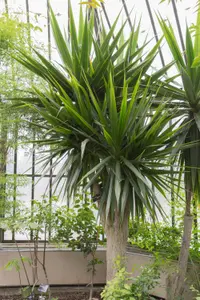
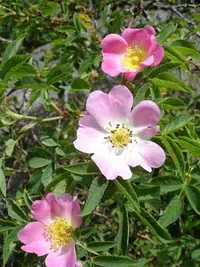
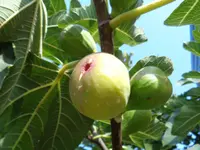
Worm-bark False Thorn Care (Albizia anthelmintica)

Also known as: Worm-Cure Albizia, worm-cure false-thorn, Cherry-Blossom Tree
Worm-bark False Thorn

About Worm-bark False Thorn

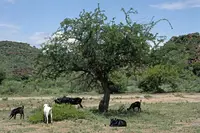
Worm-bark false thorn (Albizia anthelmintica) is a small deciduous tree or large shrub from arid and semi-arid regions of eastern and southern Africa. It typically forms a rounded crown with fine, feathery leaves and short, thorny branches.

The bark and foliage are used locally for traditional herbal remedies, which reflects its toughness and ability to cope with heat and drought. It suits dry, open sites and prefers full sun, well-drained soil, and low to moderate watering.

Gardeners who care for Worm-bark False Thorn usually value its resilience, but its need for strong light and space makes it better suited to outdoor, warm-climate planting than small containers.

Main Plant Requirements

Care Difficulty

Moderate Care

Light Preference

Full Sun

Water Requirements

Low Water

Temperature Preference

Warm Climate

Hardiness Zone

9–11

Soil Texture

Sandy, Loamy, Rocky

Soil pH

Slightly acidic (6.5–7.0), Neutral (7.0)

Soil Drainage

Well-drained

Fertilization

Minimal (feed rarely)

Get Personalized Care Plan

Scan your plant to receive care tips personalized for your specific plant

Available on iOS and Android

How to Care for the Worm-bark False Thorn

This drought-adapted tree prefers strong light with some protection from extreme afternoon sun.

  • Provide 6–8 hours of direct sun daily, ideally with morning sun and light afternoon shade in hot, arid climates for Worm-bark False Thorn.
  • Young trees benefit from temporary filtered light during their first 1–2 summers to reduce leaf scorch and transplant stress.
  • In cooler or coastal areas, full sun all day is suitable; in hotter inland sites, monitor for pale, crispy leaf edges as a sign of excess exposure.

This species is drought tolerant and prefers infrequent, deep watering once established.

  • Water only when the top 5–8 cm of soil are completely dry; in the ground this often means deep soaking every 10–21 days in dry seasons.
  • Ensure very well-drained, gritty or sandy soil so water does not pool around the roots, which increases risk of rot in Albizia anthelmintica.
  • Reduce watering sharply in cool seasons, watching leaves for early wilt or folding as a cue to water, and avoid wetting soil repeatedly if leaves yellow and drop without dryness.

This tree is adapted to hot, dry climates and dislikes prolonged cold and frost.

  • Active growth is best at 75–95°F (24–35°C), with slower but acceptable growth down to about 65°F (18°C).
  • Mature plants can briefly tolerate around 30–32°F (-1–0°C), but young growth is easily damaged, so protect saplings from frost pockets.
  • In heat above 100°F (38°C), maintain soil moisture without saturation and use light afternoon shade to limit stress, especially on recently planted trees.

This drought-adapted species tolerates low humidity and usually does not need special moisture control in typical indoor air.

  • Aim for 30–50% humidity; the plant handles drier air better than consistently damp conditions.
  • Watch for curled, crisp leaf edges and slowed growth as possible humidity or drought stress signals rather than true humidity sensitivity in Worm-bark False Thorn.
  • Increase ambient moisture only in very arid homes by grouping plants or placing a water tray nearby, not by frequent misting.

Albizia anthelmintica prefers lean, fast-draining, sandy or loamy soil that mimics its arid, rocky habitat.

  • Use a mix such as 50–60% coarse sand, 20–30% grit or perlite, and 10–20% compost to keep the root zone airy.
  • Target a slightly acidic to neutral pH around 6.0–7.2, avoiding highly acidic peat-heavy blends that stay wet for long periods.
  • Ensure sharp drainage by using a raised bed or mound and avoid any site where water puddles after rain.
  • Improve aeration in heavier soils by incorporating coarse sand, fine gravel, or crushed pumice rather than only adding organic matter.

This species can be grown in containers when given enough depth and strong drainage to support its woody root system.

  • Choose a tall, heavy container to counterbalance the developing canopy and reduce the risk of the pot tipping in wind.
  • Select unglazed clay if possible, as it allows faster evaporation and helps prevent overly wet conditions around the roots.
  • Elevate the pot on feet or bricks so drainage holes stay clear and excess water exits quickly after irrigation or rain.

This semi-arid tree usually needs minimal feeding, especially when grown in the ground.

  • For container-grown Worm-bark False Thorn, use a balanced slow-release fertilizer (e.g., 10-10-10) at half label rate in spring.
  • Feed once at the start of the growing season, then again mid-summer if growth is weak.
  • Avoid high-nitrogen products that cause soft, leggy growth and reduce drought tolerance.
  • Do not fertilize in winter or during dormancy to prevent weak, out-of-season shoots.

Pruning Albizia anthelmintica is mainly used to maintain structure, remove damage, and manage size.

  • Carry out main pruning in late winter or very early spring before active growth starts.
  • Remove dead, diseased, crossing, or inward-growing branches with clean, sharp bypass pruners or a pruning saw.
  • Thin congested interior growth to improve air flow and light penetration, supporting healthier foliage.
  • Shorten or remove awkward limbs to create a balanced, open crown without heavy heading cuts.

This species is more often field-grown, but young plants in containers or nursery bags benefit from careful transplanting.

  • Transplant in late winter to early spring when soil is workable and temperatures are mild.
  • Look for roots circling the container, slow growth, or plants toppling as signals it has outgrown its pot.
  • Move up only 1–2 pot sizes, gently loosening circling roots and planting at the same depth in well-drained soil.
  • Water thoroughly after transplanting, then keep soil lightly moist, shaded from harsh sun for 1–2 weeks to reduce stress.

Albizia anthelmintica is typically propagated from seed, with some use of semi-hardwood cuttings.

  • Collect mature pods in late dry season; dry, then extract and store seeds cool and dry until sowing.
  • Scarify hard seed coats lightly with sandpaper or a brief hot-water soak to improve germination.
  • Sow seeds in a free-draining mix, keep at 70–80°F, and maintain even, light moisture until germination.
  • For cuttings, take semi-hardwood pieces in late spring, use rooting hormone, and root in warm, humid, bright but indirect light.

This warm-climate tree is not fully hardy in colder regions and benefits from targeted winter protection outside frost-free zones.

  • In mild climates, a well-established tree tolerates light frost but may suffer damage in prolonged freezes.
  • Apply a 5–8 cm mulch layer around the root zone in late fall, keeping it away from the trunk.
  • Wrap young trunks with breathable frost cloth during cold spells to reduce bark injury.
  • Move container plants indoors or to a sheltered, bright, frost-free area when temperatures approach 32°F.

Care Tips

Deep root training

In the first 2–3 years, give one slow, deep irrigation every 2–4 weeks in dry seasons rather than frequent light watering to encourage a deep root system that improves drought resilience and anchorage.

Early framework pruning

During establishment, select 3–5 well-spaced main branches and remove closely competing crotches or inward-facing shoots to build a strong, open canopy that can support the species’ fine, feathery foliage without breakage.

Windward staking strategy

In exposed sites, place 1–2 sturdy stakes on the windward side and secure the trunk with soft, figure-eight ties, then remove the staking after 1–2 years to allow the tree to flex and strengthen naturally.

Targeted pod thinning

If seed pods set heavily on young or weak branches, thin some by hand to reduce weight and mechanical stress, which helps prevent limb strain and improves overall canopy balance.

Trunk and rootzone protection

Keep a 30–60 cm mulch ring around the trunk, avoid string trimmer or mower contact, and prevent soil compaction over the root zone, as this species reacts poorly to bark damage and heavily compacted ground when growing Worm-bark False Thorn.

Common Pests and Diseases

Acacia psyllids

These insects resemble tiny jumping aphids and feed on young leaves and shoots, causing curling, yellowing, and sticky honeydew. This pest is more common in warm, dry regions where Albizia species are used as fodder or shade trees.

Solution

Prune and destroy heavily infested shoot tips, then hose down foliage with a strong stream of water to remove nymphs. If needed, use an insecticidal soap or light horticultural oil, applied in the early morning and repeated every 7–10 days until new growth appears clean.

Albizia gall midges

These insects induce small, swollen galls on leaves and young twigs that may distort foliage and reduce vigor. Symptoms include blister-like swellings that can dry, crack, and attract secondary infections.

Solution

Remove and destroy affected leaves and twigs before adults emerge, and keep the canopy thinned so light and air can reach inner branches. In areas with repeated problems, time a targeted application of a systemic insecticide just before new flushes of growth, following local guidance on growing Worm-bark False Thorn in open landscapes.

Scale insects

These insects attach to stems and leaf midribs, sucking sap and excreting honeydew that encourages sooty mold. This pest typically appears as small, rounded or oval bumps that do not move when touched.

Solution

Gently scrape or wipe individual scales off with a cloth or soft brush dipped in soapy water, and prune out badly infested twigs. For larger trees, use horticultural oil during mild weather to smother crawlers, ensuring full coverage of stems and the undersides of leaves.

Powdery mildew

This disease causes a white to gray powdery coating on leaves, especially in dry climates with cool nights and warm days. Symptoms include distorted young leaves and gradual thinning of the canopy if infections are repeated.

Solution

Improve air movement by selective pruning and avoid overhead watering in the evening. At the first sign of symptoms, apply a sulfur-based or potassium bicarbonate fungicide labeled for ornamental trees, repeating as directed until new foliage develops clean.

Leaf spot complex

This disease group includes several fungal leaf spots that create brown or tan lesions with darker margins on mature leaves. Symptoms include premature leaf drop in stressed or overcrowded trees, especially after periods of unseasonal rain or irrigation on foliage.

Solution

Rake and remove fallen leaves to reduce spore levels, and avoid wetting foliage when irrigating. For repeatedly affected trees, apply a broad-spectrum foliar fungicide at the start of the rainy period and repeat according to label directions, focusing on protecting new flushes of growth.

Interesting Facts

East African dryland specialist

This species is native to arid and semi-arid regions of East Africa, where it grows on rocky slopes and dry bushland, showing strong adaptation to drought and high light levels.

Distinctive false thorns

Despite the common name worm-bark false thorn, the plant does not have true thorns; instead, it has short, hardened branchlets and rough bark that give a thorny appearance while still allowing efficient photosynthesis in its fine leaflets.

Nitrogen-fixing tree partner

Like many members of the legume family, this species forms root nodules with nitrogen-fixing bacteria, improving soil fertility in poor, degraded sites and supporting surrounding vegetation over time.

Botan icon

Did you know?

In traditional East African agro-pastoral systems, this tree is often left standing when land is cleared, because its deep roots, nitrogen-fixing ability, and drought tolerance help stabilize fragile dryland soils and support the regeneration of native vegetation.

FAQs about Worm-bark False Thorn

This species is moderately fast-growing under warm, sunny, well-drained conditions, typically adding 30–60 cm per year once established. Poor soil fertility, low light, sustained drought, or root disturbance can slow growth significantly, especially during the first 2–3 years.

Grow Healthy Plants with Botan Care

Keep your plants happy and healthy with plant identification, disease detection, and easy care guidance.

Botan plant care app — identify plants on mobile

Explore More Plants