Tip pruning shoots
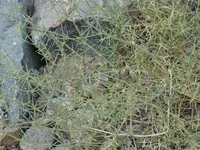
After flowering, lightly tip prune a few of the longest green shoots by 5–10 cm to encourage bushier growth and more flowering spurs the following year without sacrificing the natural shape.

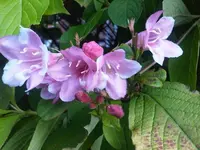
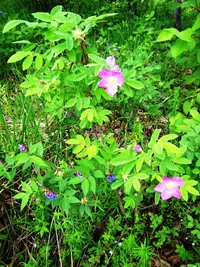
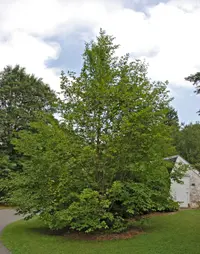
Oldfashioned weigela (Weigela florida) is a deciduous flowering shrub valued for its spring and early summer display. It forms an upright, arching shape with dense branches and abundant tubular blooms. Flowers are usually pink to rose-red and attract bees, butterflies, and hummingbirds, while simple green leaves create a clean background. This shrub originates from East Asia and has adapted well to many temperate gardens. It is considered easy to grow, tolerating a range of soils and modest care mistakes once established. Full sun, moderate moisture, and well-drained soil generally support healthy growth and make it simpler to care for oldfashioned weigela.

Care Difficulty
Easy Care

Light Preference
Full Sun

Water Requirements
Moderate Water

Temperature Preference
Cold Hardy

Hardiness Zone
4–8

Soil Texture
Loamy, Sandy, Clay

Soil pH
Acidic (5.5–6.5), Slightly acidic (6.5–7.0)

Soil Drainage
Moist but well-drained

Fertilization
Minimal (feed rarely)
Scan your plant to receive care tips personalized for your specific plant
Available on iOS and Android
Weigela florida performs best in locations with strong sun while tolerating some light shade.
Water needs are moderate and depend strongly on soil drainage and recent weather.
This shrub is cold hardy yet grows best with moderate seasonal temperatures.
This shrub handles a wide humidity range and usually does not need special humidity management outdoors.
This shrub prefers moderately fertile, well-structured soil that holds some moisture yet drains freely.
This species can adapt well to container growing when its root space and stability are carefully managed.
Weigela florida benefits from modest, well-timed feeding to support flowering and healthy growth.
Thoughtful pruning keeps Weigela florida compact, flowering well, and structurally sound.
This shrub is usually grown in the ground, so focus on timely transplanting rather than frequent repotting.
Multiplying Weigela florida is commonly done from cuttings for predictable flower and growth traits.
Established shrubs are fairly cold hardy and generally need only simple winter care.

Plant Health Check
Not sure what's wrong with your plant? Check your plant's health inside the app.
Individual flowers often open a soft pink and gradually darken to rose or crimson before dropping, so a single shrub can display several shades at once. This color change is related to shifts in pigment chemistry as the flower ages, not to soil pH.
The tubular, nectar-rich blooms are shaped for access by long-tongued pollinators, especially hummingbirds and bumblebees, which are important visitors in gardens where the shrub is planted. The flowers provide both nectar and pollen over several weeks in late spring to early summer.
Native to East Asia, this species was described scientifically in the 19th century and quickly introduced to European and North American gardens. Many modern weigela cultivars and hybrids trace back genetically to this species as a primary parent.

The species name florida comes from Latin and means abundantly flowering, referring to the shrub’s ability to produce a very high density of blooms along its previous-year stems during the main flowering flush.
Sparse flowering usually comes from too-late pruning, excessive shade, or heavy nitrogen fertiliser. Prune just after spring bloom, keep it in good light, and avoid lawn fertiliser around the root zone to restore flower production.
Keep your plants happy and healthy with plant identification, disease detection, and easy care guidance.