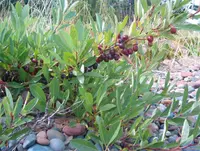
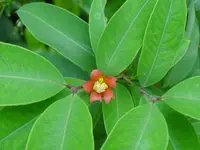
Pennsylvania blackberry Care (Rubus pensilvanicus)

Also known as: prickly Florida blackberry, Highbush Blackberry, sawtooth blackberry
Pennsylvania blackberry

About Pennsylvania blackberry

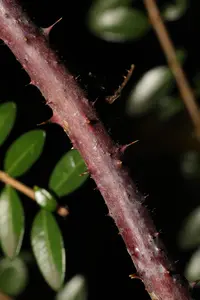
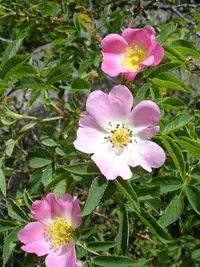
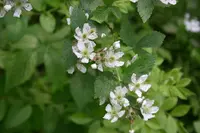
Pennsylvania blackberry (Rubus pensilvanicus) is a robust, deciduous bramble shrub known for its arching, often thorny canes and clusters of white spring flowers. It produces glossy black, edible berries that attract wildlife and are suitable for fresh eating or processing.

This species is native to eastern North America, where it commonly grows in forest edges, clearings, roadsides, and disturbed soils. It spreads by canes and root suckers, forming thickets over time.

Rubus pensilvanicus is generally hardy and adaptable, but its vigorous growth and prickly stems require some management. Gardeners who learn how to care for Pennsylvania blackberry usually find it reliable, given full sun, moderate moisture, and well-drained soil.

Main Plant Requirements

Care Difficulty

Easy Care

Light Preference

Full Sun

Water Requirements

Moderate Water

Temperature Preference

Cold Hardy

Hardiness Zone

3–8

Soil Texture

Sandy, Loamy, Clay

Soil pH

Acidic (5.5–6.5), Slightly acidic (6.5–7.0)

Soil Drainage

Moist but well-drained

Fertilization

Minimal (feed rarely)

Get Personalized Care Plan

Scan your plant to receive care tips personalized for your specific plant

Available on iOS and Android

How to Care for the Pennsylvania blackberry

This shrub fruits best with strong, direct outdoor light and good air circulation.

  • Provide 6–8 hours of direct sun daily; morning sun with light afternoon shade helps reduce leaf scorch in hotter regions.
  • Plant Pennsylvania blackberry in an open site; it tolerates light partial shade but dense shade causes weak, sprawling canes and fewer berries.
  • In cooler climates, full sun all day is ideal, while in hot summers some filtered light after 2–3 p.m. prevents stress and small, dry fruit.

Rubus pensilvanicus prefers steadily moist, well-drained soil rather than constant wetness.

  • Water when the top 3–5 cm of soil feels dry, applying a deep soak so moisture reaches the root zone instead of frequent shallow splashes.
  • Reduce watering in fall and winter once canes are dormant, but do not allow soil to become bone dry or canes may die back.
  • Watch for yellowing, soft leaves and sour-smelling soil as signs of overwatering, and wilting with dry, crumbly soil as a sign of underwatering; improve drainage if puddling persists.

This hardy bramble tolerates a wide temperature range but has clear preferences for strong growth and fruiting.

  • Active growth and flowering occur best around 65–80°F (18–27°C), with good cane development and reliable berry set in this range.
  • Mature plants typically survive winter lows near -10°F (-23°C) with snow cover, but young canes benefit from mulch in areas with fluctuating freeze–thaw cycles.
  • During heat above 90°F (32°C), expect some stress; provide mulching and, if possible, light afternoon shade to protect roots and prevent fruit shrivel.

Humidity is not a major factor for Pennsylvania blackberry, which thrives in typical outdoor conditions in most temperate regions.

Rubus pensilvanicus grows best in deep, moisture-retentive but well-drained mineral soil with ample organic matter.

  • Use a loamy mix with noticeable structure, combining native soil with 25–40% compost for moisture retention and nutrients.
  • Aim for slightly acidic to neutral pH around 5.5–7.0; avoid strongly alkaline or saline sites that restrict nutrient uptake.
  • Improve drainage and aeration on heavy clay by incorporating coarse sand or fine gravel plus organic matter to reduce compaction.
  • Avoid waterlogged depressions or very shallow, stony ground where roots dry out quickly or suffocate in standing water.

This species can be grown in containers, but only large, stable pots are suitable for long-term cultivation outdoors.

  • Choose a container at least 40–50 cm deep and wide so the vigorous root system can anchor sprawling canes without tipping.
  • Use a heavy, frost-resistant material such as thick ceramic or concrete to counterbalance tall, arching growth in windy sites.
  • Position the pot where you can secure canes to a trellis or railing, preventing leverage that could shift or topple the container.

Wild Rubus pensilvanicus usually needs little fertilizer if grown in reasonably fertile soil, but feeding can support heavier fruiting in poor ground.

  • Use a balanced granular or slow-release fertilizer (for example 10-10-10) or well-rotted compost in early spring as new growth starts.
  • Apply a light application once in spring and, if growth is weak, a second light feed in early summer.
  • Keep fertilizer strength modest; avoid high-nitrogen lawn products that cause lush, weak canes with fewer fruits.
  • Stop feeding by late summer so canes harden before winter and do not apply fertilizer during winter dormancy.

Pruning is important to keep Rubus pensilvanicus productive, manageable, and healthier.

  • Prune in late winter to early spring before buds break, when cane structure is easy to see.
  • Remove dead, diseased, or winter-damaged canes at ground level using clean, sharp bypass pruners or loppers.
  • Cut out older, weak, or badly crossing canes to open the clump, improving air flow and reducing disease.
  • Shorten excessively long canes to control spread and direct energy into strong flowering and fruiting shoots.

This vigorous blackberry is usually grown in the ground, so care focuses on thoughtful transplanting rather than frequent repotting.

  • Transplant in early spring or late fall when soil is moist and temperatures are mild, minimizing stress.
  • Move plants only when necessary, such as overcrowding, poor site, or invasive spread into unwanted areas.
  • Dig wide around the root system, keeping as much root mass and attached soil as possible to reduce shock.
  • Replant at the same depth in well-drained soil, water thoroughly, then keep soil evenly moist until new growth resumes.

Rubus pensilvanicus spreads readily, and gardeners often use simple vegetative methods to create new plants.

  • Use tip layering in late spring to summer by pinning a young cane tip into moist soil until roots form.
  • Divide vigorous clumps in early spring or late fall, replanting sections with several healthy canes and strong roots.
  • Take semi-ripe stem cuttings in early summer, place in a free-draining medium, and keep humid until rooted.
  • Seeds can be sown outdoors after natural cold exposure, but vegetative methods give faster, more predictable results.

This blackberry is cold hardy in most temperate climates and usually needs minimal winter care outdoors.

  • In late fall, apply a 5–8 cm layer of organic mulch around the root zone to moderate soil temperature and moisture.
  • Leave sturdy canes in place for next year’s fruiting, removing only clearly dead or diseased stems after the coldest period.
  • For container plants, move pots to a sheltered, unheated area and water sparingly so the root ball does not fully dry out.

Care Tips

Renewal cane management

Label canes by year and remove 2-year-old, post-fruiting canes at ground level right after harvest to keep the patch productive and reduce disease carryover.

Trellis for airflow

Install a simple T- or V-trellis and tie canes loosely in spaced rows to improve airflow, reduce cane diseases, and make harvesting safer and faster.

Selective tip layering

In late summer, bend a few healthy first-year cane tips to the soil, pin and lightly cover them to create well-spaced new plants instead of allowing uncontrolled thicket formation.

Mulch and mow alleys

Maintain a 5–10 cm organic mulch strip under canes and keep alleys regularly mowed to suppress weeds, protect roots, and improve access for pruning and picking.

Targeted pest scouting

From early flowering through ripening, check weekly for spotted wing drosophila and cane borers and use timely removal of infested canes and fruit as the first control step when caring for Pennsylvania blackberry.

Common Pests and Diseases

Orange rust

This disease causes bright orange, powdery pustules on the undersides of leaves and leads to weak, spindly canes that stop fruiting over time.

Solution

Remove and destroy the entire infected plant, including roots, as soon as symptoms appear since it cannot be cured on an individual plant; avoid moving contaminated soil, plant only certified disease-free stock, and maintain good spacing to improve airflow and reduce humidity around canes.

Anthracnose

This disease produces small purple spots on young canes that enlarge into sunken gray lesions, often leading to cracking, dieback, and reduced yield.

Solution

Prune out and destroy infected canes during dry weather, thin plants to improve airflow, avoid overhead watering, and apply an appropriate labeled fungicide early in the season when new shoots are 15–20 cm long if the problem has been severe in previous years.

Cane blight

This disease causes canes to wilt and die back from pruning wounds or injuries, with brown to dark purple lesions often forming near nodes or cut surfaces.

Solution

Prune only in dry weather, make clean angled cuts above buds, remove and destroy affected canes promptly, and avoid excessive nitrogen fertilization that promotes overly soft growth; in high-pressure areas, a preventively applied fungicide at pruning can help protect wounds.

Raspberry crown borer

This insect pest tunnels inside lower canes and crowns, causing weakening, poor vigor, wilting, and eventual collapse of whole canes or sections of the patch.

Solution

Inspect plants for swollen, cracked crown tissue and wilting canes, dig out and destroy infested crowns, and maintain clean, weed-free rows; in areas with known problems, apply a labeled soil or crown treatment in late summer or early fall when eggs hatch and larvae move into the crown.

Japanese beetle

These insects skeletonize leaves by eating the tissue between veins and may also feed on ripening fruit, reducing photosynthesis and crop quality.

Solution

Hand-pick beetles in early morning into soapy water where practical, use fine mesh netting over small plantings during peak flight, and maintain healthy plants that can tolerate some defoliation; if needed, use a targeted insecticide labeled for edible caneberries and apply only when bees are not active, keeping sprays off open flowers and ripe fruit.

Interesting Facts

Eastern thicket builder

This blackberry often forms dense, arching thickets in old fields and forest edges in eastern North America, where stems can layer and root when they touch the ground, gradually creating nearly impenetrable patches that shape habitat structure.

Key wildlife resource

Its fruits are a major summer food source for many songbirds, wild turkeys, black bears, and small mammals, while the thorny canes provide nesting cover and protection from predators for ground-nesting birds and small animals.

Soil disturbance specialist

This species is especially common in disturbed sites such as cutover forests, abandoned pastures, and utility corridors, where it quickly colonizes open, sunny ground and can temporarily dominate the shrub layer during early forest succession.

Botan icon

Did you know?

Rubus pensilvanicus was historically used by botanists and ecologists as an example of a widespread North American native blackberry complex, illustrating how frequent hybridization and subtle morphological variation in Rubus can make species-level classification unusually challenging.

FAQs about Pennsylvania blackberry

The ripe black fruits are edible and commonly used fresh, in jams, pies, and syrups. Unripe berries taste sour and astringent. As with any wild harvesting, positively identify the species and avoid plants exposed to roadside pollution.

Grow Healthy Plants with Botan Care

Keep your plants happy and healthy with plant identification, disease detection, and easy care guidance.

Botan plant care app — identify plants on mobile

Explore More Plants