Wind-hardening young plants
Expose young plants to gradually stronger wind over several weeks by placing them in a more open spot or removing temporary windbreaks so the flexible branches and root system strengthen and better resist storm damage.

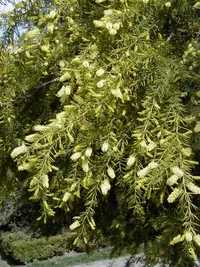
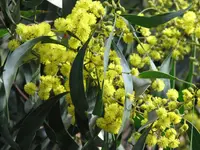
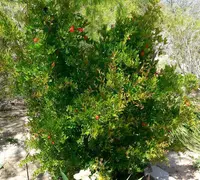
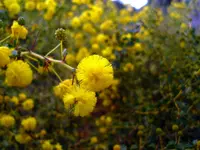
Prickly Moses, Acacia verticillata, is an evergreen shrub or small tree from the legume family. It has dense, arching branches covered with fine, needle-like foliage and sharp spines. In spring, it produces many small, pale yellow, pompom-like flower clusters along the stems. This creates a soft-looking but strongly textured appearance. The species is native to southeastern Australia, often found along waterways and in open forests. It is generally tough and wind tolerant, but dislikes prolonged waterlogging and very heavy shade. Understanding how to care for prickly Moses starts with providing sun, good drainage, and moderate moisture in slightly acidic, low-lime soil.

Care Difficulty
Moderate Care

Light Preference
Full Sun

Water Requirements
Low Water

Temperature Preference
Warm Climate

Hardiness Zone
8–10

Soil Texture
Sandy, Loamy, Clay

Soil pH
Acidic (5.5–6.5), Slightly acidic (6.5–7.0)

Soil Drainage
Well-drained

Fertilization
Minimal (feed rarely)
Scan your plant to receive care tips personalized for your specific plant
Available on iOS and Android
Acacia verticillata grows best in bright, open sites with ample sun exposure.
This shrub prefers a drying cycle between waterings once established.
This species thrives in mild climates with cool winters and warm, not extreme, summers.
This species handles a wide humidity range and rarely needs special humidity management.
This plant prefers freely draining, slightly lean soil that does not stay wet for long.
This species can be grown in containers if the pot and mix support fast drainage and a spreading root system.
This Australian native needs modest feeding, especially when grown in containers or poor soils.
Pruning Acacia verticillata is mainly for shaping and maintaining a healthy framework.
This species is more often planted in the ground, but young or container-grown plants sometimes need transplanting.
Acacia verticillata is most commonly propagated from seed, with some success from semi-hardwood cuttings.
This plant is moderately frost tolerant but benefits from some winter protection in colder regions.

Plant Health Check
Not sure what's wrong with your plant? Check your plant's health inside the app.
This species naturally forms a dense, interlaced tangle of branchlets with sharp spines, creating an effective barrier that protects small birds using it as nesting and hiding habitat.
It thrives on low‑nutrient, often acidic soils in southeastern Australia and contributes to soil fertility through nitrogen fixation, where root-associated bacteria convert atmospheric nitrogen into a usable form.
In its native range it produces masses of small, pale yellow, globular flower heads mainly from late winter to spring, providing an important nectar and pollen resource when many other plants are not in peak bloom.

This species often regenerates strongly after fire in its native habitats, resprouting from surviving root systems or establishing from a persistent soil seed bank, which helps stabilize burned slopes and provide early structural habitat in recovering ecosystems.
This species is evergreen and keeps its fine, needle-like foliage year-round, even in mild frosts. In colder areas, growth may slow in winter, but the plant usually retains foliage unless severely stressed or damaged.
Keep your plants happy and healthy with plant identification, disease detection, and easy care guidance.