Early root training
Plant young shrubs into their final ground position as early as possible, since this species dislikes root disturbance and repeated potting-on often leads to transplant shock and poor establishment.

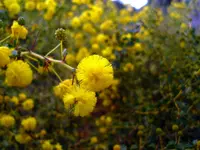
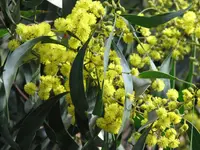
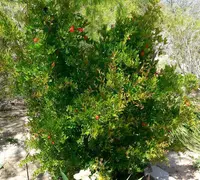
Prickly moses, Acacia pulchella, is a small, dense shrub native to southwestern Australia, often found in heathlands and open woodland. It forms a rounded, twiggy shape with fine, divided foliage and sharp spines along its branches.
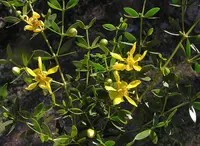
In season, the plant is covered in bright yellow, ball-shaped flowers that attract insects and add strong color to dry landscapes. Its spiny structure and drought tolerance make it suitable for low-maintenance, wildlife-friendly gardens in mild climates.
It prefers sunny, open positions, well-drained sandy or gravelly soil, and low to moderate moisture, which shapes how to care for Prickly Moses in cultivation.

Care Difficulty
Moderate Care

Light Preference
Full Sun

Water Requirements
Low Water

Temperature Preference
Warm Climate

Hardiness Zone
9–11

Soil Texture
Sandy, Loamy, Rocky

Soil pH
Acidic (5.5–6.5), Slightly acidic (6.5–7.0)

Soil Drainage
Well-drained

Fertilization
Minimal (feed rarely)
Scan your plant to receive care tips personalized for your specific plant
Available on iOS and Android
Acacia pulchella prefers bright, open conditions that mimic its native Australian shrubland habitat.
Acacia pulchella prefers a dry to slightly moist soil profile and is sensitive to prolonged saturation.
This species thrives in mild, Mediterranean-type climates with warm, dry summers and cool, frost-light winters.
Humidity is not a major factor for Acacia pulchella, which suits typical indoor and outdoor air in most homes.
Acacia pulchella prefers lean, sandy soil with sharp drainage that mimics its native, nutrient-poor habitats.
This species can be grown in containers if the potting setup prevents waterlogging and allows a deep, airy root run.
This nitrogen-fixing shrub needs only light feeding in most garden soils, so fertilization should stay modest.
Acacia pulchella benefits from light, well-timed pruning to maintain shape and flowering performance.
This shrub is usually grown in the ground, so focus on careful transplanting rather than frequent repotting.
New Acacia pulchella plants are most commonly raised from seed, with some growers also using semi-hardwood cuttings.
This species prefers mild, frost-free climates, so some winter protection is useful in colder regions.

Plant Health Check
Not sure what's wrong with your plant? Check your plant's health inside the app.
This species occurs naturally only in southwestern Western Australia, where it grows in nutrient-poor, often sandy or lateritic soils within kwongan heath and open woodland habitats.
The plant forms a dense, much-branched shrub with sharp spines at the nodes and tiny divided leaf structures, which together create a prickly, broom-like appearance that offers shelter for small birds and animals.
Like many legumes, it forms root nodules with symbiotic bacteria that fix atmospheric nitrogen, helping the shrub thrive in poor soils and contributing to soil fertility in its native ecosystems.

Acacia pulchella is an obligate seeder after fire in many parts of its range, meaning adult plants are often killed by intense bushfires but large, long-lived seed banks in the soil are stimulated to germinate by post-fire conditions, allowing dense regeneration of the species.
Poor flowering usually comes from plants being too young, pruned at the wrong time, or stressed by drought, root disturbance, or nutrient-poor soil. Light tip-pruning only after flowering and steady, low-phosphorus nutrition support reliable bud formation.
Keep your plants happy and healthy with plant identification, disease detection, and easy care guidance.