chaparral Care (Larrea divaricata)

chaparral

About chaparral

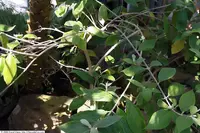
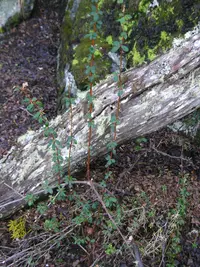
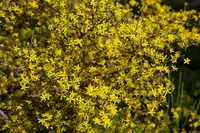
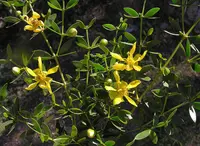
Chaparral, Larrea divaricata, is a long-lived evergreen shrub native to arid regions of South America and closely related to the North American creosote bush. It forms dense, low to medium-height mounds with small, resinous green leaves and tiny yellow flowers, giving it a distinctive medicinal scent.

This species is adapted to harsh, dry climates and poor, rocky soils, which makes it drought tolerant but sensitive to overwatering and heavy, compacted substrates. It prefers full sun and very well-drained conditions, so learning how to care for chaparral means mimicking desert-like environments as closely as local conditions allow.

Main Plant Requirements

Care Difficulty

Moderate Care

Light Preference

Full Sun

Water Requirements

Low Water

Temperature Preference

Warm Climate

Hardiness Zone

8–11

Soil Texture

Sandy, Loamy, Rocky

Soil pH

Slightly alkaline (7.0–7.5), Alkaline (7.5–8.5)

Soil Drainage

Well-drained

Fertilization

Minimal (feed rarely)

Get Personalized Care Plan

Scan your plant to receive care tips personalized for your specific plant

Available on iOS and Android

How to Care for the chaparral

Larrea divaricata thrives in strong, direct sun similar to its native arid habitats.

  • Provide 6–10 hours of direct sunlight daily; full sun exposure is ideal for dense growth and abundant resinous foliage.
  • Plant chaparral in an open, unshaded site; it tolerates light afternoon shade in very hot regions but becomes sparse and leggy in prolonged partial shade.
  • Monitor leaves in midsummer; pale, scorched, or bronzed foliage can indicate extreme reflected heat from walls or pavement, so allow more airflow or slight afternoon shade.

Larrea divaricata is a drought-adapted shrub that needs very infrequent, deep watering once established.

  • Allow soil to dry completely between waterings; in the ground, only water when the top 10–15 cm are bone dry and the foliage begins to look slightly dull.
  • Use very well-drained, sandy or gravelly soil to prevent root rot; water should drain away within a few minutes after irrigation.
  • Reduce or stop supplemental water in cool seasons; yellowing, soft leaves or a sour soil smell indicate overwatering, while brittle twigs and leaf drop signal prolonged drought stress.

This desert shrub prefers hot, dry conditions but has good tolerance to temperature extremes.

  • Optimal growth occurs around 70–95°F (21–35°C), especially in low humidity and full sun exposures.
  • Mature plants usually tolerate down to about 15–20°F (-9 to -6°C); brief light frosts cause minor tip damage, but prolonged hard freezes can kill young shrubs.
  • Heat tolerance is high up to 105–110°F (41–43°C) if soil is dry and air is moving; avoid planting in cold pockets where winter air settles.

This desert shrub tolerates very low humidity and usually does not need special moisture in the air.

  • Ideal humidity is 10–40%, matching arid or semi-arid conditions rather than humid rooms.
  • Dry indoor air is rarely a problem; issues arise more from wet leaves and poor air movement than from low humidity.
  • Humidity stress shows as fungal spotting or rot on stems; improve air circulation and avoid misting when caring for chaparral.

Larrea divaricata needs very fast-draining, mineral-rich soil that mimics desert scrub conditions.

  • Use a gritty, sandy mix such as 50–60% coarse sand or fine gravel blended with 40–50% low-organic potting mix or loam.
  • Ensure rapid drainage; water should pass through in seconds, not sit on the surface or leave the mix soggy.
  • Aim for slightly alkaline to neutral pH around 7.0–8.0, avoiding strongly acidic substrates and peat-heavy mixes.
  • Improve aeration and prevent compaction by adding mineral components like pumice or perlite rather than high amounts of compost.

This species can be grown in containers, but only if the pot strongly favors fast drainage and root stability.

  • Choose a deep, heavy container (such as thick clay) to counteract wind and the shrub’s woody, potentially top-heavy growth.
  • Fill the container with a very gritty, fast-draining medium so water never pools at the bottom layer.
  • Raise the pot slightly off the ground on feet or blocks so drainage holes stay clear and runoff exits quickly.

Larrea divaricata is highly adapted to poor, dry soils and usually needs no fertilizer when grown in the ground.

Larrea divaricata benefits from light, occasional pruning to maintain structure and plant health.

  • Carry out pruning in late winter or very early spring before active growth resumes.
  • Use clean, sharp hand pruners to remove dead, diseased, or storm-damaged wood at its base.
  • Thin a few crowded interior branches to improve air flow and light penetration without heavy cutting.
  • Limit shaping cuts to minor tip trimming so natural, open form and flowering are preserved.

This shrub is best grown in the ground, with transplanting done sparingly to avoid disturbing its deep, woody roots.

  • Plan any transplanting for late winter or early spring in mild climates, before strong new growth starts.
  • Move only when necessary, such as very slow growth, poor drainage, or obvious root binding in a container.
  • Water deeply a day before moving, then lift with as large and intact a root ball as possible to limit stress.
  • Replant into well-drained, gritty soil, water thoroughly once, then keep on the dry side while roots re-establish.

Propagation of Larrea divaricata is possible but slow, using both seeds and semi-hardwood cuttings under suitable conditions.

  • Sow fresh seed in late winter to early spring in a very free-draining, sandy mix and keep barely moist.
  • Scarify or lightly nick hard seed coats to improve water uptake and germination rate.
  • Take semi-hardwood tip cuttings in late spring to summer, 7–10 cm long, from non-flowering shoots.
  • Dip bases in rooting hormone, place in warm bright shade with low to moderate moisture, and allow ample time for rooting.

This desert-adapted shrub is cold tolerant in many mild, arid regions and usually needs minimal winter care outdoors.

  • In climates near its hardiness limit, apply a 5–8 cm layer of coarse mulch around the root zone, keeping stems bare.
  • Ensure soil drains well over winter, since prolonged cold, wet conditions harm roots more than low temperatures.
  • For container-grown chaparral, move pots to a bright, sheltered, frost-free spot with cool temperatures and very sparse watering.

Care Tips

Deep root establishment

During the first 1–2 growing seasons, give one very deep soak every few weeks rather than frequent light watering to encourage a deep, drought-resilient root system that anchors the shrub against wind and erosion.

Minimal mulch strategy

If mulch is used, apply only a very thin, gravel-based layer and keep it 10–15 cm away from the crown to mimic the plant’s natural desert conditions and prevent crown rot.

Wind exposure training

Site young plants where they receive steady but not extreme wind, or gradually increase exposure over a season, so stems develop stronger lignified wood and are less prone to storm damage.

Flowering and seed management

If self-seeding is a concern, remove spent flowers before seed set, but leave a portion intact if you want to collect seed or support wildlife, adjusting the balance each season based on how vigorously the plant spreads.

Low-intervention pest monitoring

Inspect foliage and stems a few times each year for scale insects or sooty mold, and if found, prune out only the most affected twigs and use a targeted horticultural oil spray rather than broad-spectrum insecticides when caring for chaparral.

Everything About chaparral

Common Pests and Diseases

Stem-boring beetles

This pest tunnels into woody stems and branches, causing dieback of individual stems and a gradual thinning of the canopy. Symptoms include small round exit holes, frass (bore dust), and branches that dry out despite seemingly normal roots.

Solution

Prune and destroy infested stems well below visible damage, disinfecting tools between cuts. Improve plant vigor through appropriate watering in arid conditions and, if necessary, use a systemic insecticide labeled for wood-boring beetles during the active season to protect uninfested branches when caring for chaparral outdoors or in dry gardens.

Leaf-mining moths

These insects feed inside the leaf tissue, creating pale, winding mines or blotches that reduce photosynthetic area. Symptoms include distorted, discolored leaves that may dry and drop early under water stress.

Solution

Remove and dispose of mined leaves as soon as they are noticed to break the life cycle. Encourage natural predators, avoid overfertilizing, and, if infestations are heavy, apply a selective insecticide or horticultural oil targeting young larvae when new growth appears.

Scale insects

This pest attaches to stems and sometimes leaves, sucking sap and weakening the plant over time. Symptoms include small dome-shaped or flattened bumps, sticky honeydew, and sooty mold growth on affected parts.

Solution

Wipe or gently scrub stems with a cloth or soft brush dipped in diluted insecticidal soap or horticultural oil, repeating every 7–14 days until populations collapse. For larger shrubs, combine physical removal with a systemic insecticide labeled for scale if the infestation is extensive and causing visible decline.

Sooty mold

This disease is a dark, powdery fungal growth that develops on honeydew left by sap-feeding insects such as scale or aphids. Symptoms include blackened leaf and stem surfaces that reduce light penetration and can interfere with photosynthesis.

Solution

Control the underlying sap-feeding insects first, then wash affected foliage and stems with a gentle stream of water or a mild soap solution to remove the mold. Improve air circulation around the plant and avoid overhead watering that keeps surfaces wet for long periods.

Root-knot nematodes

These microscopic worms attack roots, causing galls or swellings that disrupt water and nutrient uptake. Symptoms include stunted growth, reduced drought tolerance, and yellowing foliage despite adequate water in sandy or light soils where the shrub is often grown.

Solution

Remove and destroy severely affected plants and avoid replanting susceptible species in the same spot for several years. In existing sites, improve soil organic matter, use resistant or tolerant rootstocks where available, and rotate with non-host plants or deep-rooted natives to gradually reduce nematode pressure.

Interesting Facts

South American distribution

Larrea divaricata is native to arid and semi-arid regions of southern South America, especially Argentina and Chile, where it forms extensive shrublands known as monte desert scrub.

Chemical defense strategy

This species produces resin rich in lignans and other phenolic compounds that make its leaves unpalatable to many herbivores and help protect tissues from high UV radiation in open, sunny habitats.

Drought survival traits

Its small, thick leaflets and deep, wide-spreading root system reduce water loss and allow the plant to persist on very low and irregular rainfall typical of Patagonian and Andean foothill deserts.

Botan icon

Did you know?

Genetic and morphological studies show that Larrea divaricata is the closest South American relative of the North American creosote bush Larrea tridentata, and both species likely diverged after the uplift and climatic changes associated with the Andean orogeny altered desert environments on the continent.

FAQs about chaparral

Container culture is possible but challenging. This shrub forms a deep taproot and prefers open ground. Use a large, deep pot with very gritty, fast-draining mix and avoid frequent repotting to prevent root disturbance.

Grow Healthy Plants with Botan Care

Keep your plants happy and healthy with plant identification, disease detection, and easy care guidance.

Botan plant care app — identify plants on mobile

Explore More Plants