


5 min read · 11 Sept 2026
Top 5 Best Indoor Plants for Air Quality
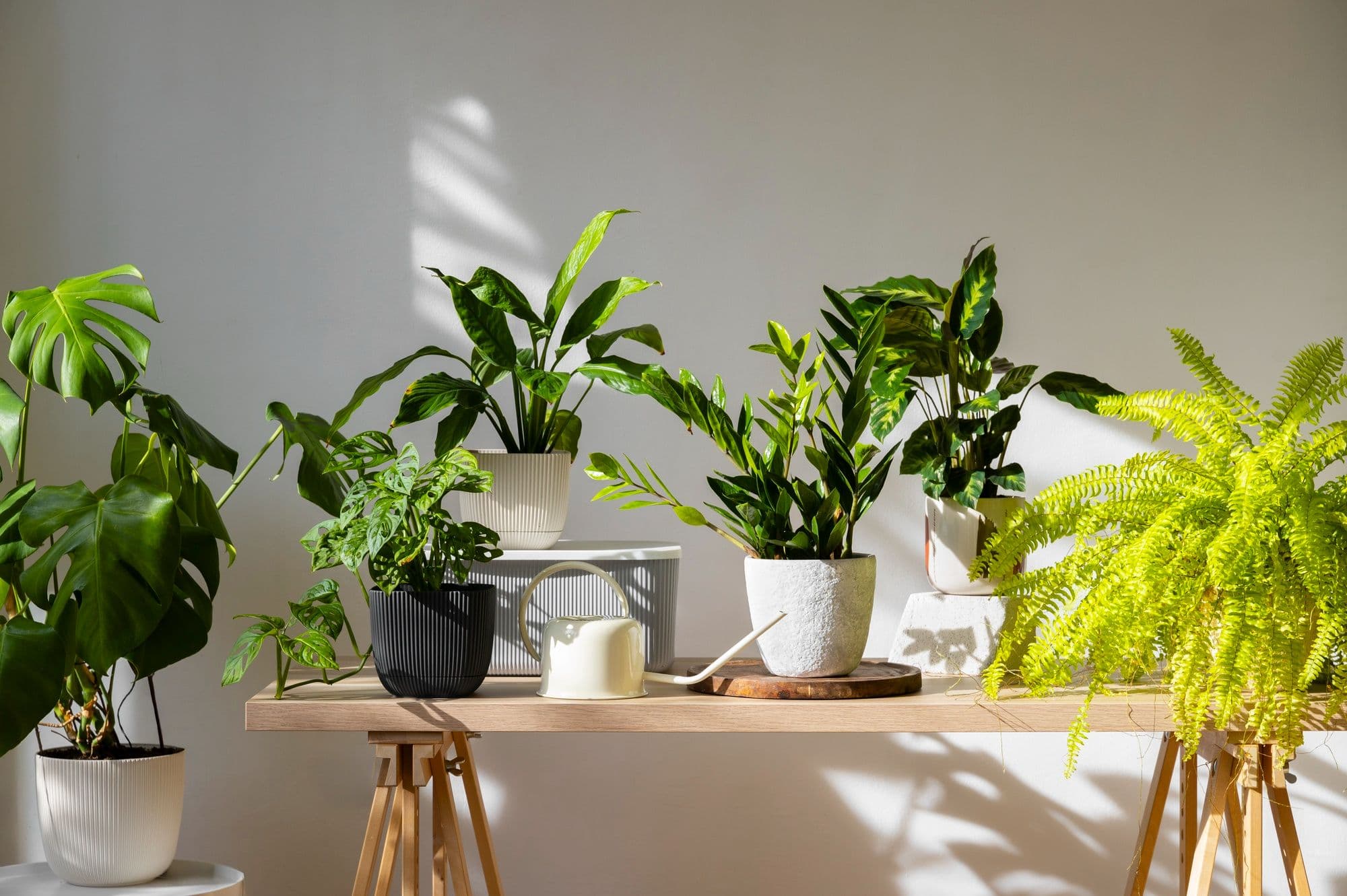
Indoor plants can make a room feel fresher thanks to their air-purifying qualities. Here are 5 of the most suitable choices for your routine and living space.
Plant Recommendations

For healthy root growth, Larrea divaricata needs gritty, fast-draining soil with a mineral feel and an alkaline-leaning pH.

Soil Texture
Sandy, Loamy, Rocky

Soil pH
Slightly alkaline (7.0–7.5), Alkaline (7.5–8.5)

Soil Drainage
Well-drained
Native to arid and semi-arid parts of South America, Larrea divaricata grows in open, sun-exposed landscapes with lean, mineral soils. Those conditions explain its preference for sandy, loamy, or rocky ground that drains quickly and stays airy around the roots.
The best soil for chaparral is well-drained and relatively low in rich organic matter. Its root system is adapted to searching through dry, coarse soil for limited moisture, so a loose substrate with good aeration suits the plant better than one that holds water for long periods.
A simple homemade mix can give Larrea divaricata the fast drainage and root aeration it handles best in containers.
The finished blend should feel gritty, loose, and mineral-rich, with water passing through quickly instead of lingering around the roots.
A suitable range is about 7.0–8.5 pH. This species prefers neutral to alkaline soil, with a slight lean toward alkaline conditions rather than acidic ones.
For chaparral, that range helps keep key nutrients available without pushing the root zone too far from its natural preference. It can handle some variation, but strongly acidic soil may make nutrient uptake less efficient over time.
This species usually handles lean soils well, but it can struggle when the root zone stays stagnant or compacted for too long.
Dense soil can limit airflow and slow root activity; if growth seems to stall, gently loosen the surface and check whether the mix has become hard between waterings.
If water sits on the surface or drains very slowly, the root zone may be staying too wet; the first response is to check drainage holes and reduce fine, clogging material.
A pale crust on the soil surface can point to mineral accumulation, especially in containers; scrape off the top layer and replace it with fresh material.
Chaparral may struggle when the top of the mix forms a hard crust; lightly break the surface so air and water can move through more evenly.

Plant Soil Guide
Find the right soil mix for your plant and support healthier root growth
Botan can help identify the plant and guide a better soil choice based on how its roots and growing conditions typically behave.
Yes. Drainage holes are important because this species handles quick runoff better than trapped moisture. Without them, the root zone stays wet longer and soil structure breaks down faster.
Soil may be one factor behind visible decline. A photo-based check in Botan can help narrow down whether the growing medium is worth reviewing.
5 min read · 11 Sept 2026
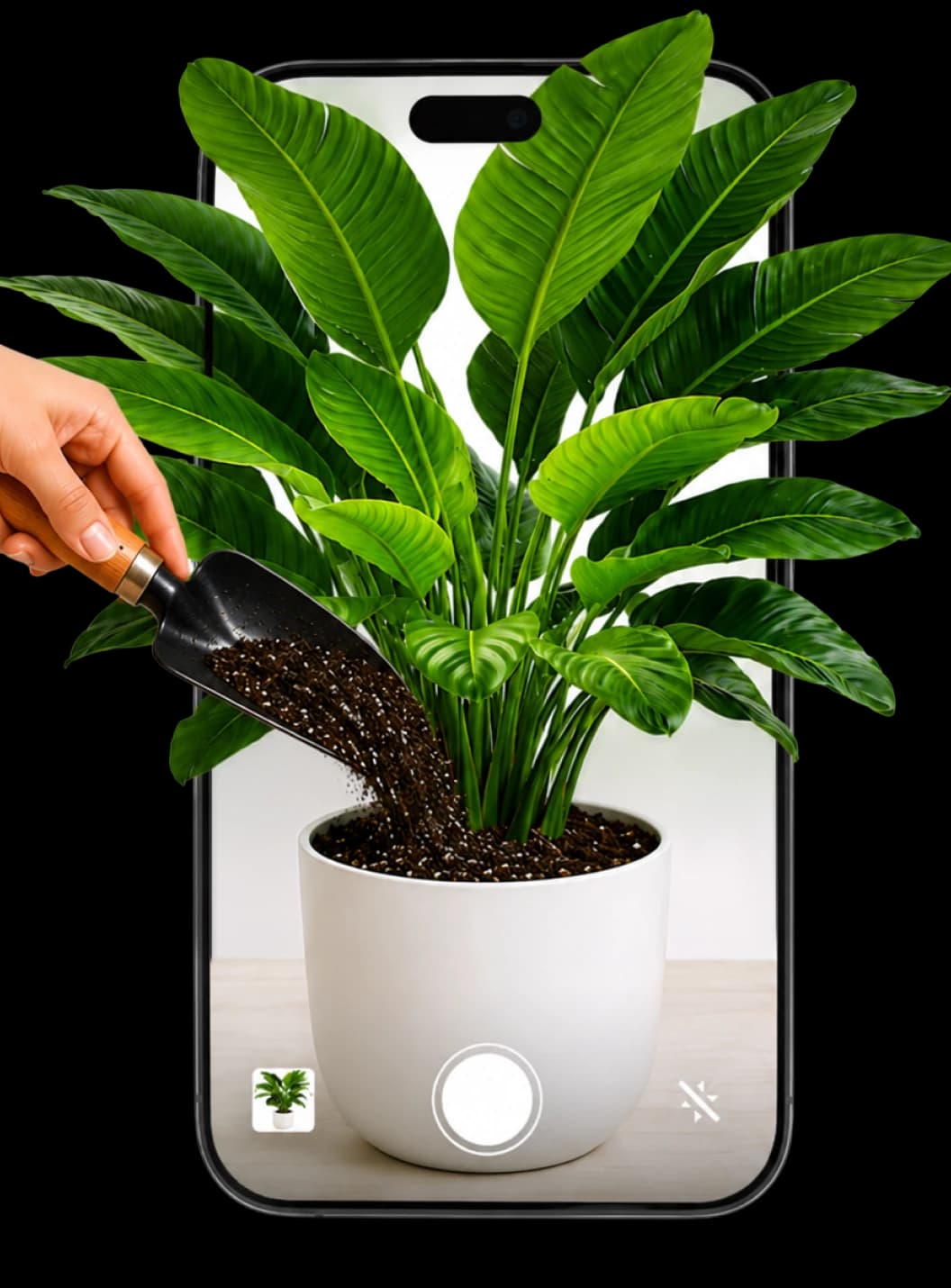
Indoor plants can make a room feel fresher thanks to their air-purifying qualities. Here are 5 of the most suitable choices for your routine and living space.
6 min read · 19 Aug 2026
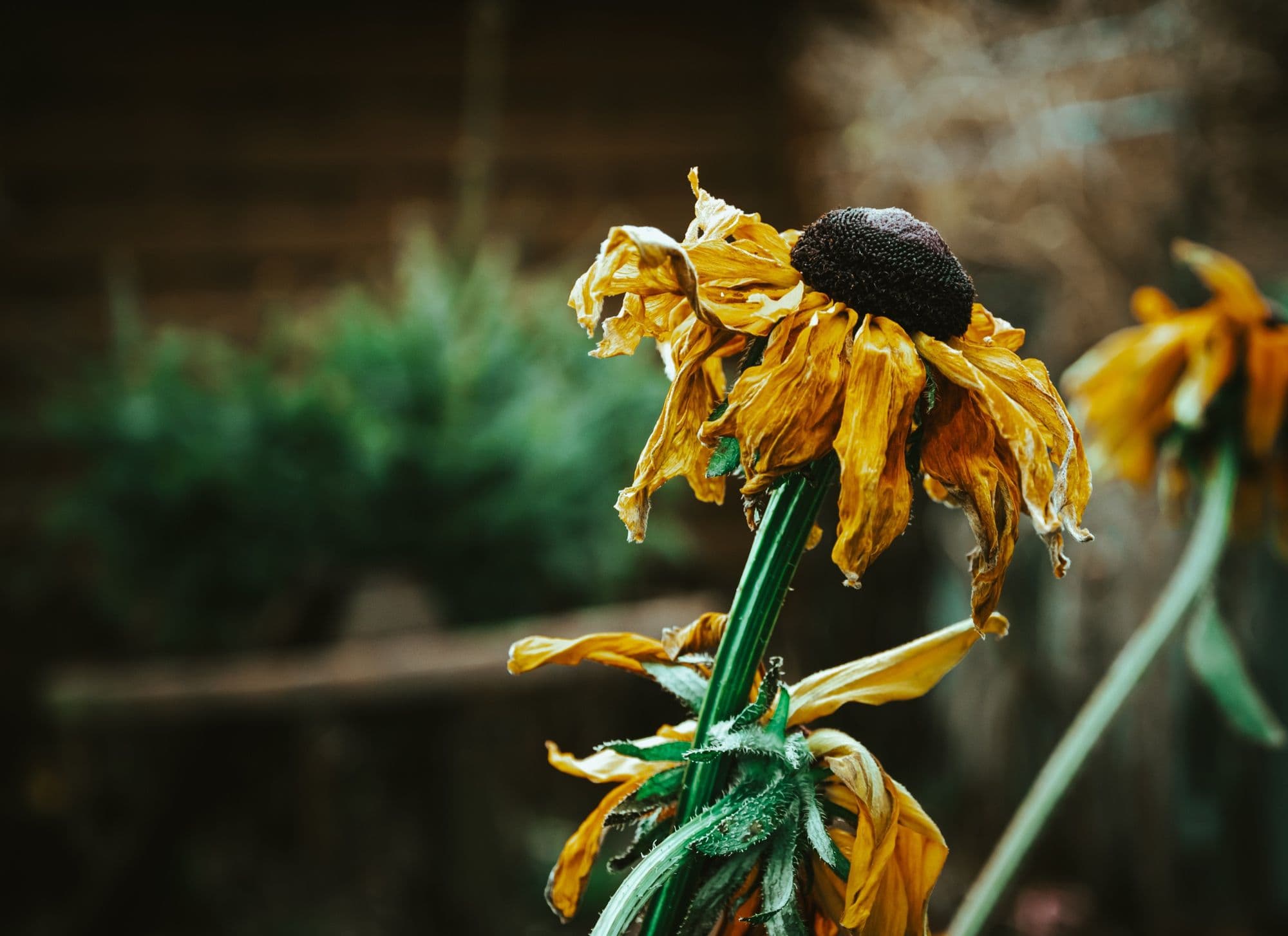
A plant can lose its leaves, stop growing, or collapse and still remain alive. A closer look at the stems, roots, bulbs, and tubers can show whether the plant still has a chance to recover.
10 min read · 7 Jul 2026
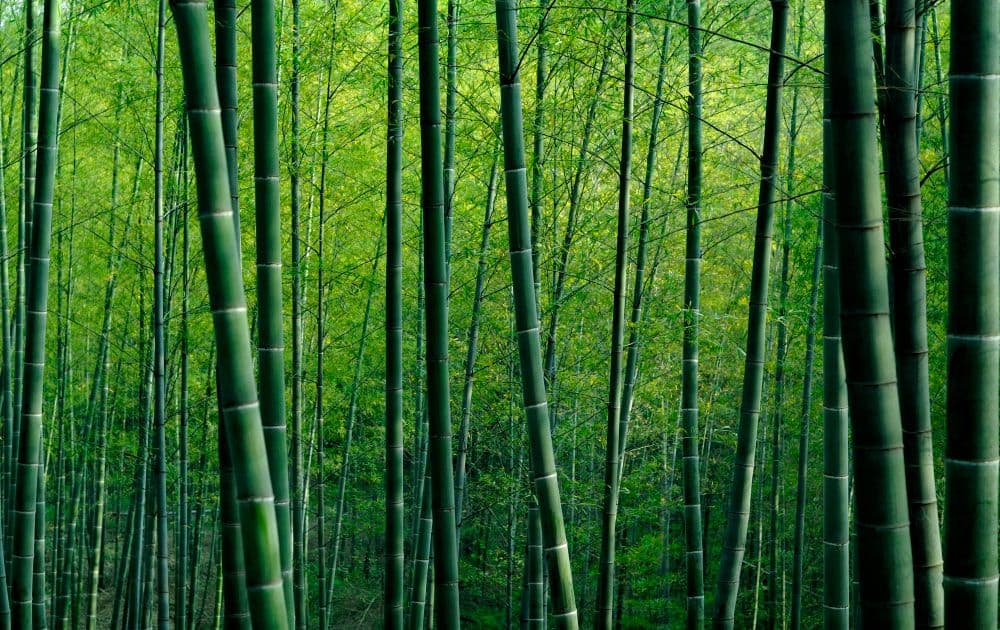
Bamboo grows extremely fast: some species can reach 5-6 m in just 3-4 months under the right conditions. This guide explains how much bamboo can grow per day, week, and year, and what affects its growth rate.