Best Soil for coca (Erythroxylum coca)

Erythroxylum coca grows best in airy, organic-rich soil with steady moisture and good drainage to support healthy, fine root growth.

Soil Texture

Loamy, Sandy, Organic-rich

Soil pH

Acidic (5.5–6.5), Slightly acidic (6.5–7.0)

Soil Drainage

Moist but well-drained

Erythroxylum coca Soil Guide

Native to the eastern slopes of the Andes in western South America, Erythroxylum coca grows in humid mountain conditions where soils stay evenly moist but still drain freely. That background explains why coca responds best to a loose, airy substrate rather than dense or compacted soil.

The best soil for coca is loamy to sandy with good organic content. This combination holds steady moisture for its fine, active roots while leaving enough pore space for oxygen around the root zone. Slight acidity also suits the species’ natural soil chemistry and supports balanced nutrient uptake.


A simple homemade mix can give Erythroxylum coca the balance of air and moisture its roots handle best in containers.

100% total mix = 20 scoops
15%
coco coir or compost3 scoops
20%
perlite or pumice4 scoops
25%
pine bark fines or orchid bark5 scoops
40%
high-quality potting soil8 scoops

The finished mix should feel light, slightly springy, and crumbly in the hand, with water moving through evenly instead of pooling.

A slightly acidic to acidic range of about 5.5–6.8 suits coca best. In that range, important nutrients stay more available to the roots and are less likely to become chemically tied up in the soil.

If pH drifts too far upward, uptake of key micronutrients can become less efficient even when they are present. A mildly acidic root zone supports more balanced growth over time.

This species can react poorly when the root zone stays stressed for long periods. Check the soil first if growth slows or the container seems slow to dry.

Compacted mix:

Dense soil that dries hard or stays heavy can limit root air flow, so gently loosen the surface and plan to replace it with a more open mix.

Staying wet too long:

If the container remains damp for many days and feels unusually heavy, improve drainage and reduce water-holding material at the next soil change.

Dry pockets:

When water runs down the sides or parts of the mix stay bone dry, re-wet the root ball gradually so moisture spreads evenly again.

Salt buildup:

A crust on the soil surface or pot rim may mean dissolved minerals are accumulating, so flush thoroughly with clean water and monitor future residue.

Find the Right Soil

Botan helps match this plant to a suitable soil setup, so it is easier to choose a mix that fits its root needs.

FAQ

Yes. A pot with moderate depth gives roots room to spread downward while helping the lower soil layer stay evenly moist without turning stagnant. Extra-deep pots can stay wet too long if the mix is dense.

More Plant Soil Guides

Wrong Soil? Check It.

Soil may be one factor behind visible decline. Botan’s photo-based assessment can help you check whether the growing medium is worth a closer look.

Botan app helping with soil and plant care
How to Winterize Your Garden in 6 Steps

5 min read · 28 Sept 2026

How to Winterize Your Garden in 6 Steps

Learn how to prepare your garden for winter with a practical six-step checklist covering cleanup, tender plant care, watering, mulching, winter protection, and winterizing equipment and containers.

Plant Care
How to Winterize Your Garden in 6 Steps
How to Bottom Water Plants: Complete Guide

6 min read · 13 Jul 2026

How to Bottom Water Plants: Complete Guide

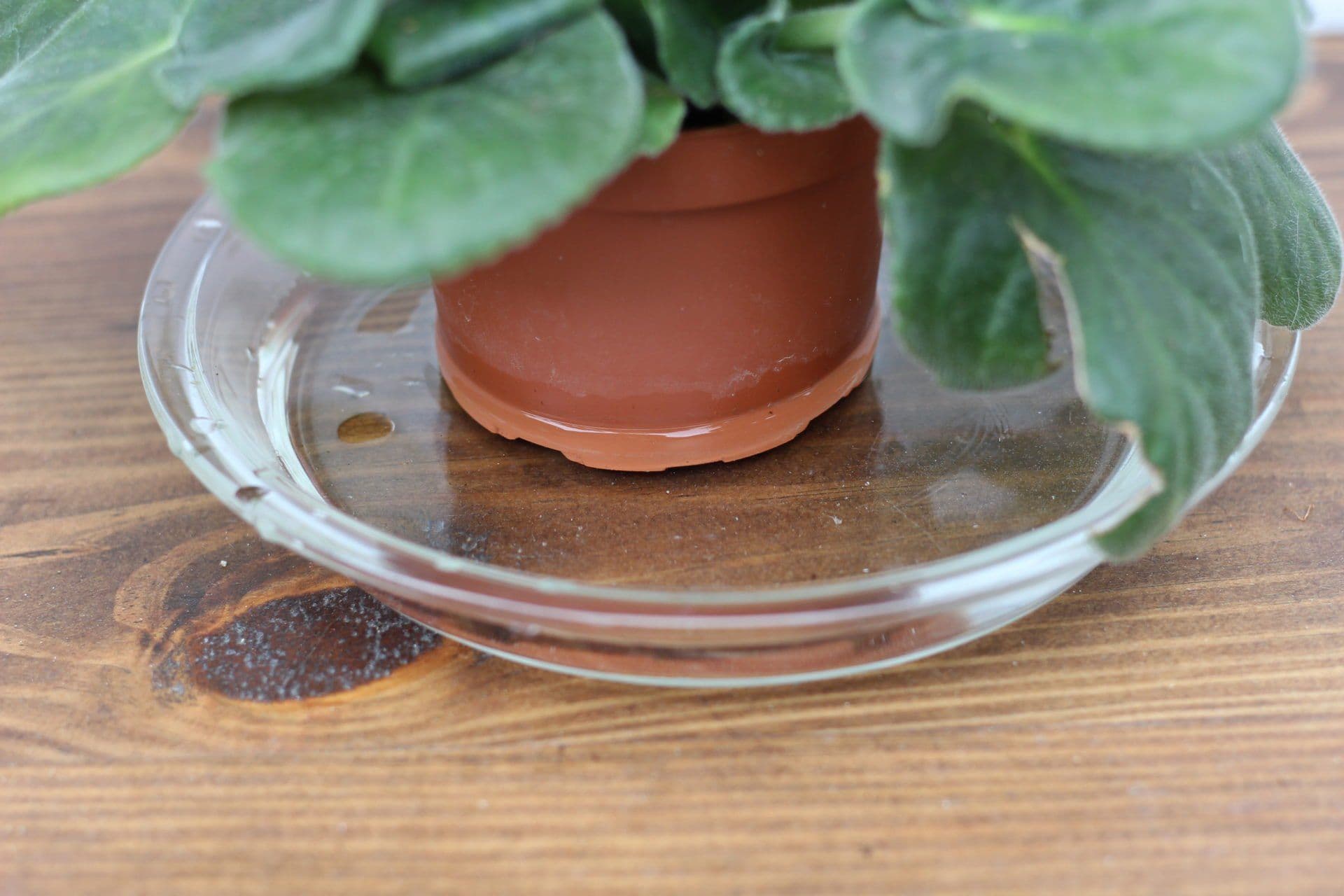
Bottom watering helps soil absorb moisture evenly and keeps foliage dry, reducing the risk of missed dry spots or root problems. Place the pot in a tray of water for a short time, then let it drain well.

Plant Care
How to Bottom Water Plants: Complete Guide
How To Revive a Dying Plant: 6 Steps To Bring A Plant Back To Life

6 min read · 1 Sept 2026

How To Revive a Dying Plant: 6 Steps To Bring A Plant Back To Life

Drooping leaves and brown tips don't always mean the end, and a weakened plant can often recover with a little help. These six simple steps will help you revive a dying plant and restore its health.

Plant Care
How To Revive a Dying Plant: 6 Steps To Bring A Plant Back To Life