


Best Soil for date palm (Phoenix dactylifera)

Phoenix dactylifera grows best in loose, well-drained soil that supports steady root growth and balanced nutrient uptake.

Soil Texture

Sandy, Loamy

Soil pH

Slightly acidic (6.5–7.0), Slightly alkaline (7.0–7.5)

Soil Drainage

Well-drained

Phoenix dactylifera Soil Guide

Native to North Africa and the Middle East, Phoenix dactylifera comes from hot, dry regions where soils are often sandy or loamy and drain quickly. That background explains why date palm soil should stay open and airy rather than dense or water-retentive.

Its roots spread widely and need oxygen in the root zone, so the best soil for date palm is well-drained with a loose mineral structure that still holds some moisture between waterings. Slightly acidic to slightly alkaline conditions suit its natural tolerance.

A simple homemade mix can give Phoenix dactylifera the balance of structure and airflow it needs in a container.

100% total mix = 20 scoops
10%
compost2 scoops
20%
perlite or pumice4 scoops
30%
potting soil6 scoops
40%
coarse sand8 scoops

The finished mix should feel gritty, light, and crumbly, with quick drainage and enough body to stay evenly settled around the roots.

This species handles dry, open rooting conditions better than heavy, stagnant ones. Soil-related stress often develops gradually, so early checks are useful.

Compacted soil:

Dense, tight media can limit root airflow and slow growth; gently loosen the surface and consider replacing the mix if it stays hard after drying.

Soggy root zone:

Soil that stays wet for long periods can stress roots; check drainage, empty any standing water, and let excess moisture leave the container fully.

Crusted surface:

A hard top layer may block air and slow even moisture movement; break it up lightly and remove salt-heavy buildup if present.

Shrinking mix:

If the soil pulls away from the pot edge, it may have become too dry or broken down unevenly; re-wet it gradually and assess the mix structure.

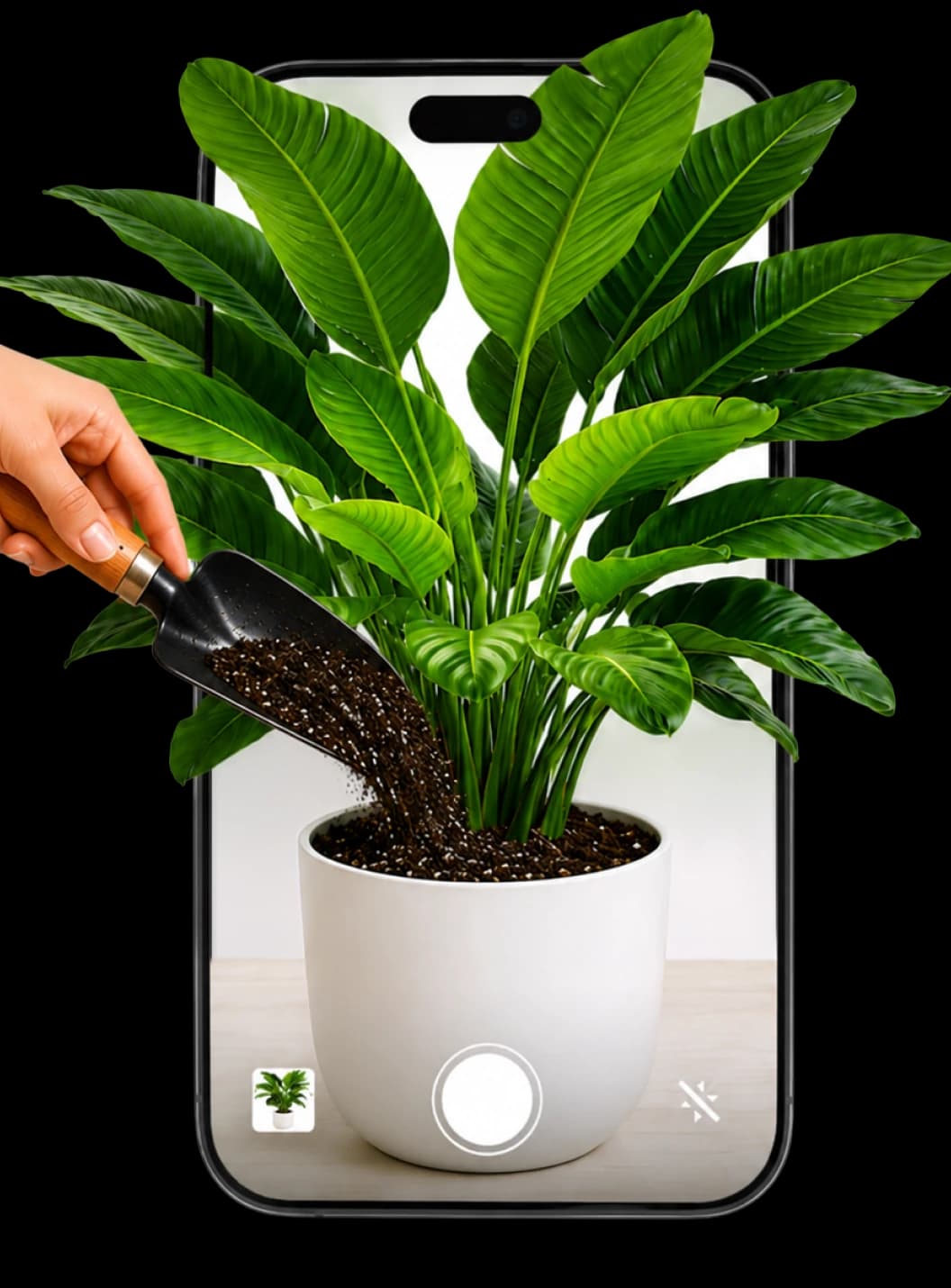
Scan for Better Soil

Botan helps identify your plant and guides you toward a soil setup that better matches its root and drainage needs.

FAQ

Yes. A deeper pot gives the root system more vertical room and helps the soil column drain more evenly than a shallow container, which can stay unstable or dry too fast near the surface.

More Plant Soil Guides

Check What the Soil Is Doing

Use Botan’s photo-based assessment to check whether soil conditions may be part of the problem and what to review next.

Botan app helping with soil and plant care
How Long Can Flowers Go Without Water? Everything You Need to Know

6 min read · 10 Jul 2026

How Long Can Flowers Go Without Water? Everything You Need to Know

Flowers can survive without water anywhere from 1-2 hours to several months, depending on the plant type, species, and growing conditions. Some strong-looking flowers are drought-sensitive, while delicate-looking plants may tolerate long dry periods surprisingly well.

Plant Care
How Long Can Flowers Go Without Water? Everything You Need to Know
Best Fertilizer for Vegetable Gardens – What to Use for Each Plant

11 min read · 20 Jul 2026

Best Fertilizer for Vegetable Gardens – What to Use for Each Plant

Here, you’ll find the right fertilizer formula for vegetables in your garden. Learn how to adjust feeding correctly throughout the growing cycle, spot nutrient deficiencies by their symptoms, and keep your plants healthy and prolific.

Plant Recommendations
Best Fertilizer for Vegetable Gardens – What to Use for Each Plant
Is Sugar Water Good for Plants?

4 min read · 14 Sept 2026

Is Sugar Water Good for Plants?

Sugar water may sound like an easy boost, but most rooted plants do not need extra sucrose. This guide explains how green tissues produce carbohydrates, when a sweetened solution can be useful, and why too much can cause problems.

Plant Care
Is Sugar Water Good for Plants?