


.5912-200x133.webp)

7 min read · 24 Aug 2026
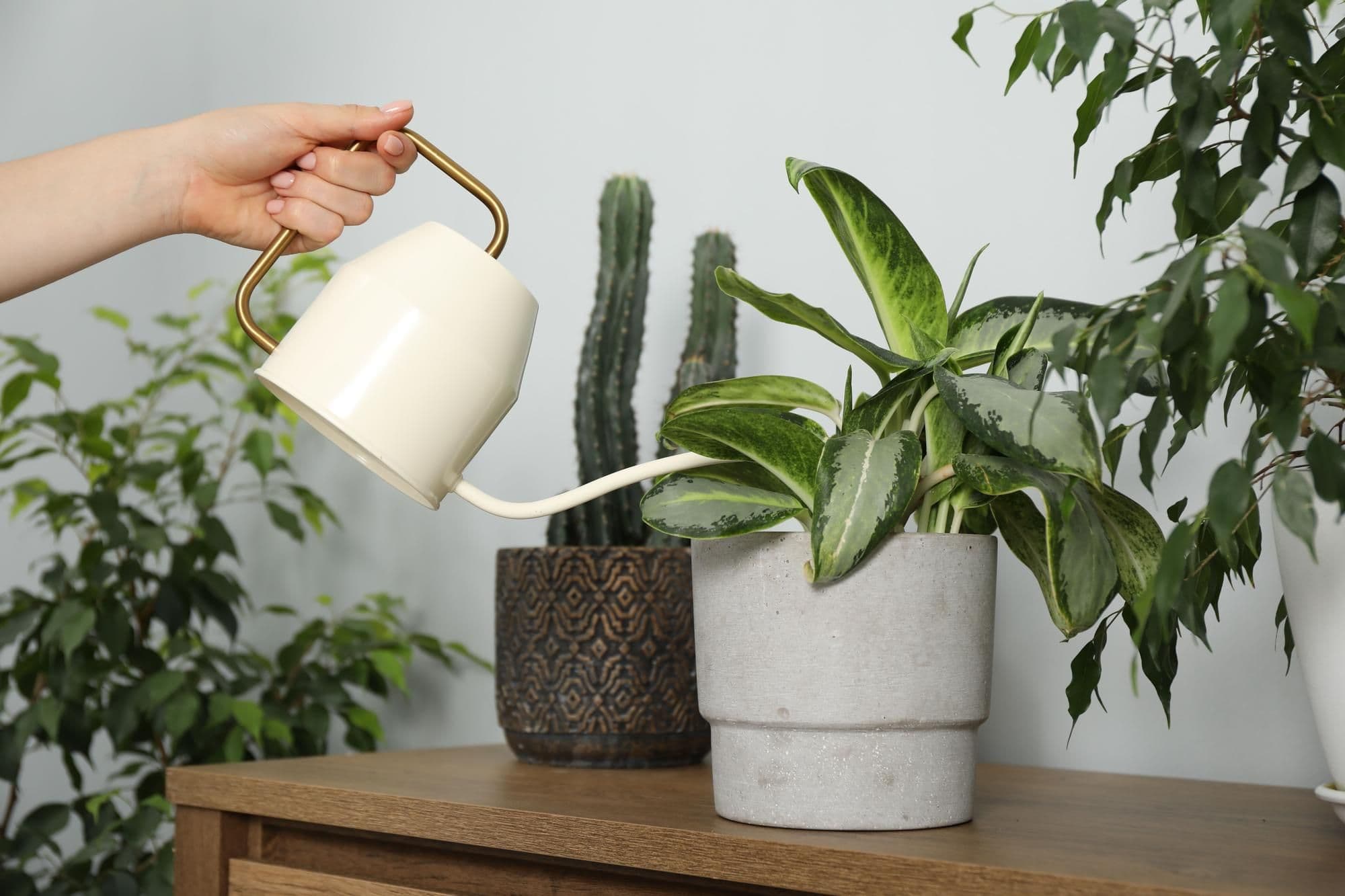
How to Water Houseplants: Watering Guide
Learn how often to water indoor plants, key factors for proper watering, and how to adjust the care routine by plant type, season, pot size, light, and indoor conditions.
Plant Care

A loose, moisture-retentive, well-drained mix helps Magnolia stellata develop healthy roots and maintain steady growth without sitting in heavy soil.

Soil Texture
Loamy, Sandy, Organic-rich

Soil pH
Acidic (5.5–6.5), Slightly acidic (6.5–7.0)

Soil Drainage
Moist but well-drained
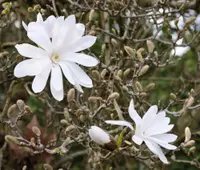
Native to Japan, Magnolia stellata grows in woodland-edge settings with soil that stays evenly moist yet drains freely. That background explains its preference for loamy or sandy soil enriched with organic matter, which holds steady moisture without becoming dense or stagnant.
Its root system is fairly shallow and benefits from good aeration near the surface. The best soil for Star magnolia feels open and moisture-retentive at the same time, with a slightly acidic to acidic reaction that supports healthy root function and steady growth.
A homemade mix gives better control over texture and drainage for Magnolia stellata in containers or raised beds.
The finished blend should feel springy and crumbly, hold light moisture, and let excess water pass through without turning soggy.
Magnolia stellata prefers slightly acidic to acidic soil, with an ideal range around 5.5–6.8 pH. In that range, important nutrients stay more available to the roots and are easier for the plant to take up.
It can handle a mildly near-neutral soil, but growth is usually best when the root zone stays on the acidic side rather than alkaline.
This species can be sensitive to root stress when soil stays too dense or inconsistent. Check the root zone early if growth seems to slow.
Compacted soil: water lingers on the surface or drains unevenly, so gently loosen the top layer and add coarse organic material around the root zone.
Poor drainage: a heavy, stale-smelling mix may be holding too much moisture, so improve airflow in the container or planting area and reduce saturation.
Dry, shrinking mix: if the soil pulls from the sides and rewets poorly, moisten it gradually and top up with fresh material that holds moisture more evenly.
High-pH soil: Magnolia stellata may struggle to access nutrients in alkaline conditions, so test the soil and adjust with acid-forming organic amendments if needed.

Plant Soil Guide
Find the right soil mix for your plant and support healthier root growth
Botan helps match this plant to a more suitable soil setup based on its growth habit, container use, and care conditions.
Often yes. The site should be loosened widely, not just in a narrow hole, and improved if it is compacted or very sandy so roots can spread into more even conditions.
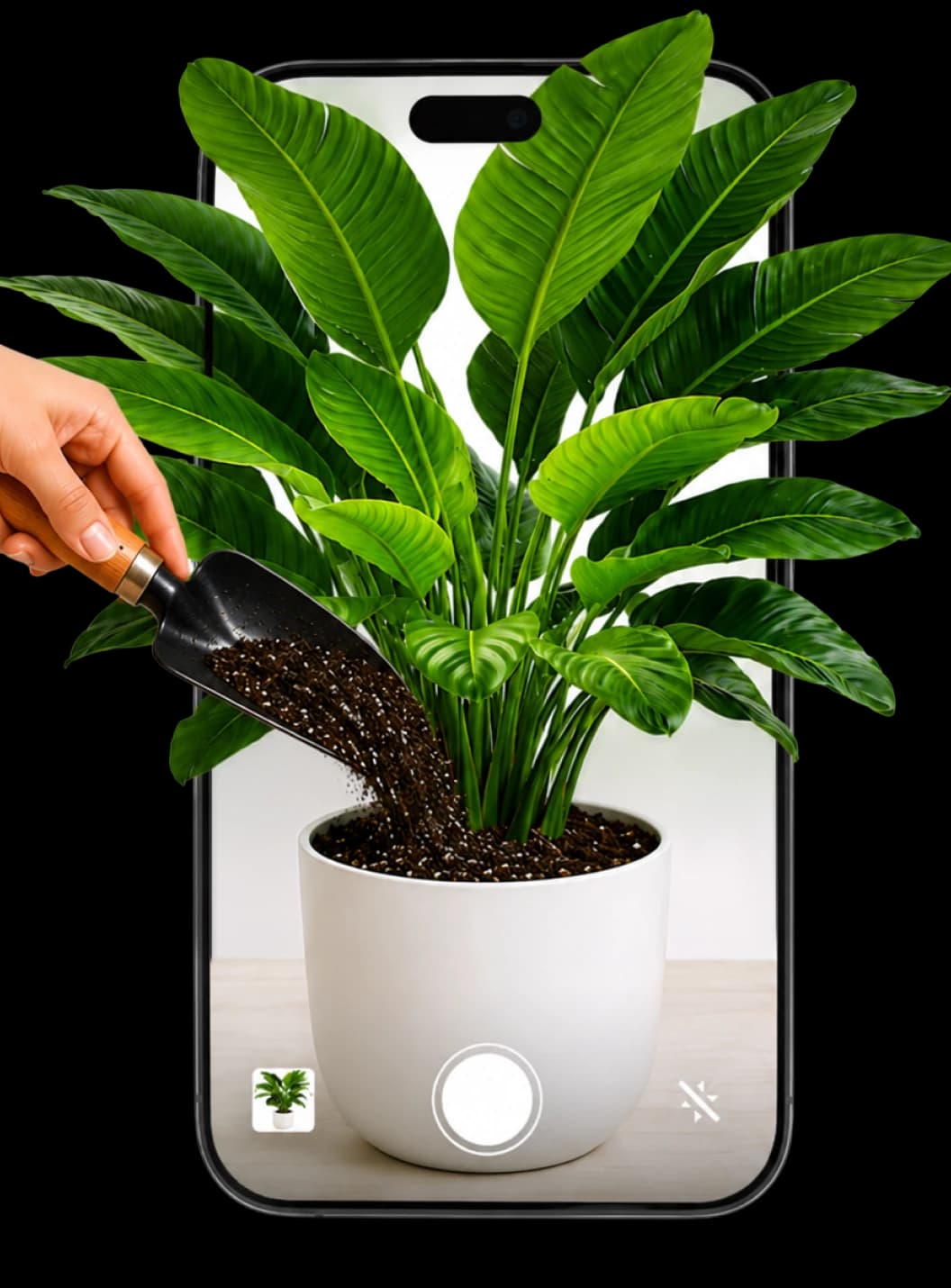
A photo check can help show whether soil may be part of the issue. Botan reviews visible plant stress and points to likely care factors to inspect.
7 min read · 24 Aug 2026
Learn how often to water indoor plants, key factors for proper watering, and how to adjust the care routine by plant type, season, pot size, light, and indoor conditions.
12 min read · 16 Jul 2026
Mosquitoes on the patio? Gnats in the kitchen? Some plants keep them away with the scent of their own leaves. Here are 20 that deal with mosquitoes, flies, aphids, and more, plus where to put them so they help.
5 min read · 4 Sept 2026
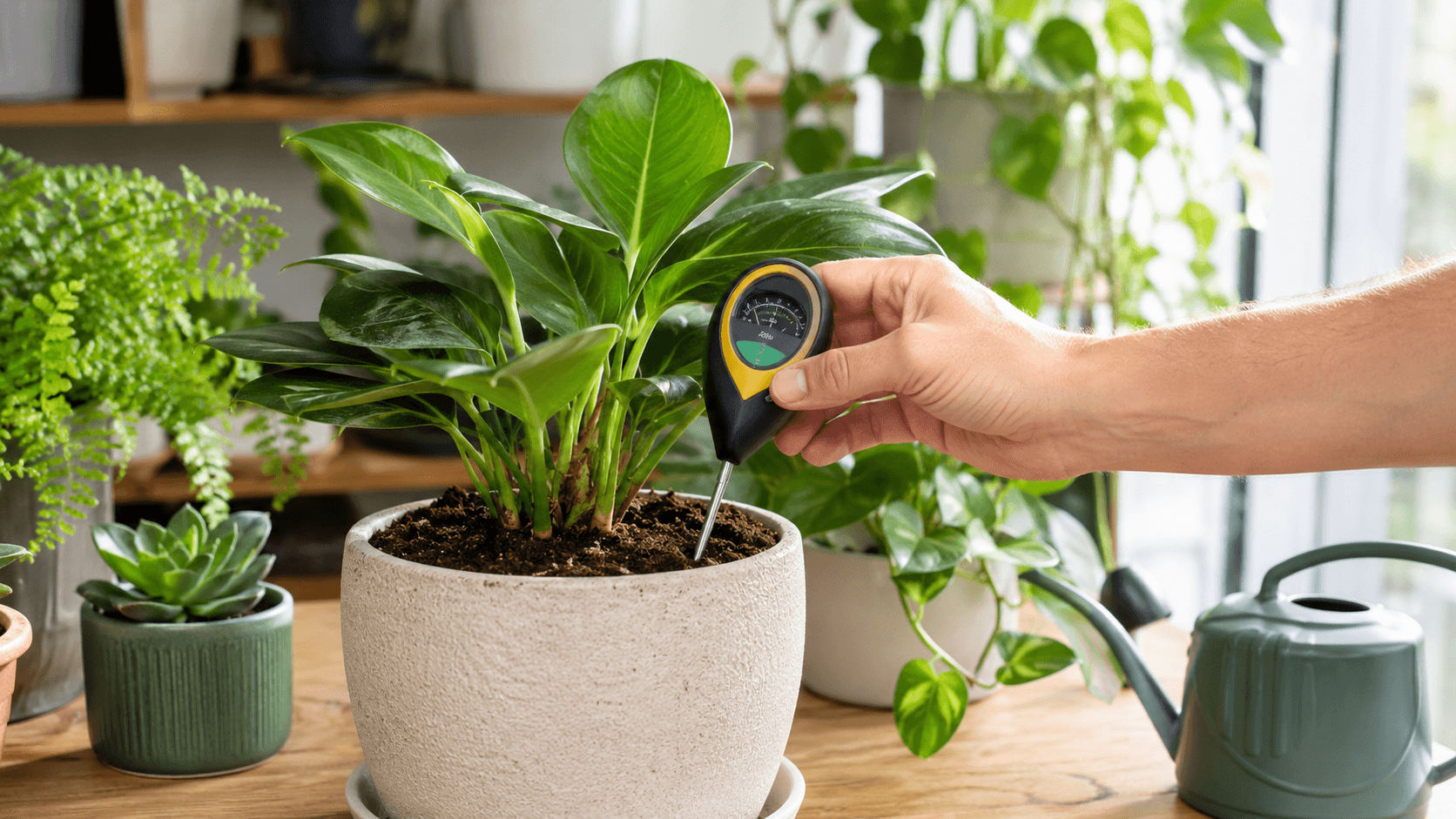
Watering by feel kills plenty of houseplants. A moisture meter checks the soil for you, and takes the guesswork out of it. This guide will show you how to use it correctly, from the first touch to the final reading.