


Best Soil for eastern redbud (Cercis canadensis)

For Cercis canadensis, the right soil texture, drainage, and pH support steady root development and long-term plant health.

Soil Texture

Sandy, Loamy, Clay

Soil pH

Acidic (5.5–6.5), Slightly acidic (6.5–7.0)

Soil Drainage

Well-drained

Cercis canadensis Soil Guide

Native to eastern North America, Cercis canadensis often grows along woodland edges, slopes, and streambanks. Those settings help explain the best soil for eastern redbud: ground that drains well but does not turn dry and lifeless too quickly.

Loamy soil is often ideal because it balances air spaces, moisture retention, and stability for the root system. Sandy or clay-based soil can also work when drainage stays reliable. Slightly acidic soil suits eastern redbud soil because it reflects the conditions this tree commonly experiences in nature.

A simple homemade mix can give Cercis canadensis the balance of structure and drainage it prefers in containers.

100% total mix = 20 scoops
15%
coarse sand3 scoops
20%
perlite or pumice4 scoops
25%
composted pine bark fines5 scoops
40%
all-purpose potting soil8 scoops

The finished blend should feel crumbly and airy, hold some moisture, and let extra water pass through without staying dense.

A good target for eastern redbud is slightly acidic to acidic soil, around 5.5–7.0 pH. Within that range, key nutrients stay more available to the roots and are easier for the plant to absorb.

This species can handle some variation, but strongly alkaline conditions may reduce nutrient availability over time. Keeping pH near the mildly acidic side generally supports steadier growth and healthier foliage.

Soil issues often show up gradually in this species, especially when roots stay stressed for long periods. Check conditions early before making major changes to Cercis canadensis care.

Compacted soil:

Compacted soil: if the surface hardens and water lingers instead of soaking in, gently loosen only the top layer and improve airflow around the root zone.

Poor drainage:

Poor drainage: a sour smell or persistently heavy soil suggests excess trapped moisture, so pause extra watering and confirm water can exit freely.

Buried root flare:

Buried root flare: if the trunk disappears straight into the soil with no visible base widening, remove excess soil from the top to expose it.

Spent container mix:

Spent container mix: when the medium shrinks, dries unevenly, or turns dusty and dull, refresh with new mix that restores structure and moisture balance.

Soil Help, Fast

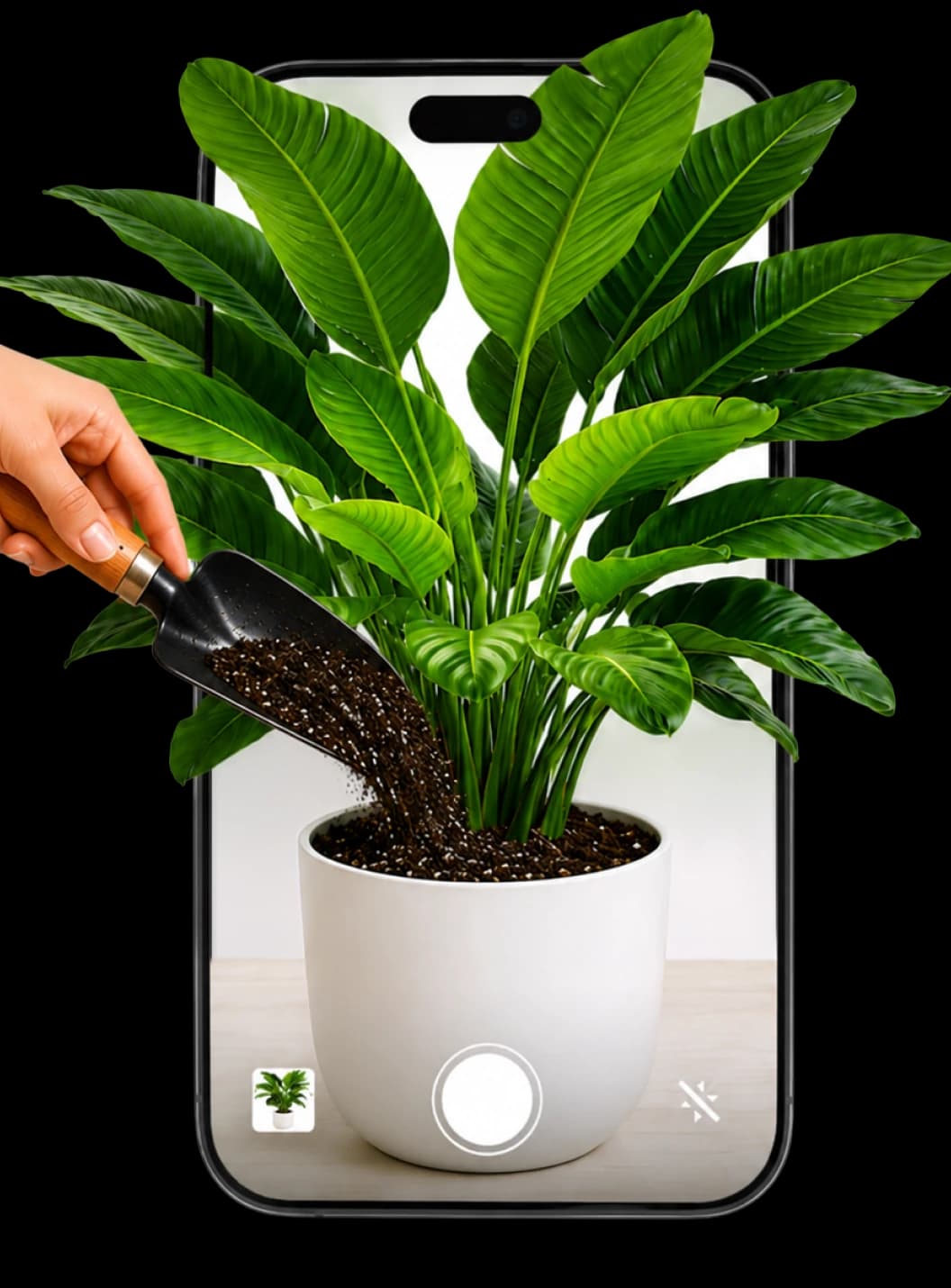
Botan helps match the plant to a more suitable soil setup and flags when drainage or texture may be holding it back.

FAQ

Often yes. The planting area should drain well and break apart easily so roots can move outward. If the native ground is very compacted, blend in coarse organic matter rather than replacing all soil.

Everything About eastern redbud

More Plant Soil Guides

Check Your Soil Choice

If a plant looks off, soil may be one factor worth checking. Botan’s photo-based assessment can help point to likely care issues.

Botan app helping with soil and plant care
When to Harvest Carrots: Timing, Signs, and How to Pick Them

6 min read · 23 Oct 2026

When to Harvest Carrots: Timing, Signs, and How to Pick Them

Carrots are usually ready 60-80 days after sowing them in the soil, depending on the variety. Learn how to recognize maturity signs, choose the right harvest season, pull carrots without damaging them, and store roots after picking.

Plant Care
When to Harvest Carrots: Timing, Signs, and How to Pick Them
When to Harvest Tomatillos: How to Tell When They're Ripe

4 min read · 20 Oct 2026

When to Harvest Tomatillos: How to Tell When They're Ripe

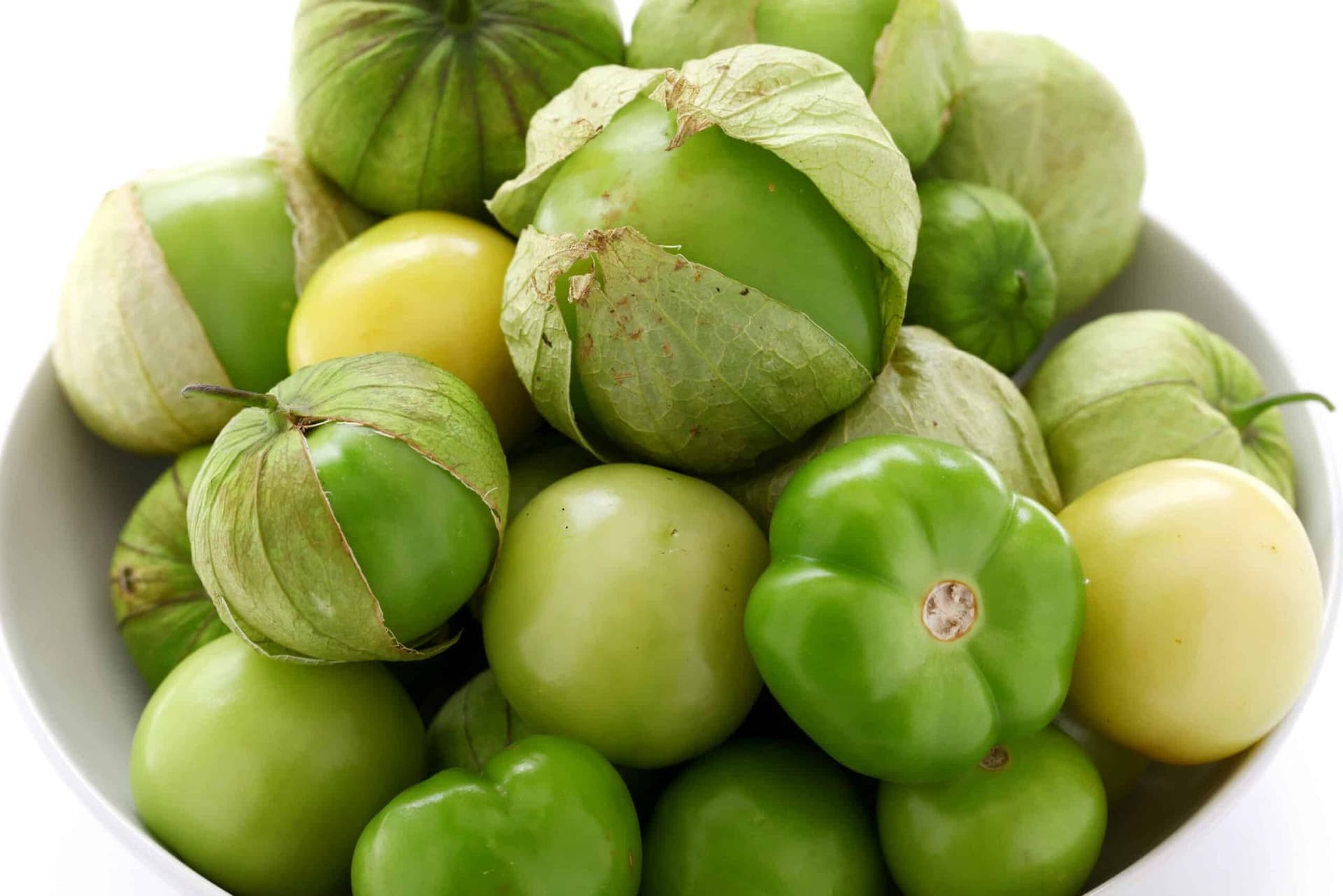
Tomatillos grow inside papery husks, making it hard to judge ripeness at a glance. This guide explains how to know when tomatillos are ripe and offers practical advice on harvesting and storage.

Plant Recommendations
When to Harvest Tomatillos: How to Tell When They're Ripe
13 Best Front Yard Trees for Every Home and Yard

12 min read · 7 Aug 2026

13 Best Front Yard Trees for Every Home and Yard

A front yard tree can stay for decades. Therefore, choosing one deserves serious consideration. Here are 13 trees that have proven themselves, sorted by their purpose. You'll also find five species to avoid and basic planting information.

Plant Recommendations
13 Best Front Yard Trees for Every Home and Yard