Best Fertilizer for Grass in Summer: How to Choose the Right One
The right fertilizer in summer can make a lawn thrive. The wrong one can damage it. Here, you’ll learn the best NPK ratios by grass type, when and how to apply your formula, and how to recognize the signs of over- or under-fertilizing.

In summer, grass needs more potassium than usual. Cool-season grasses slow down in heat as they focus on surviving stress, not growth. That’s why they need lower nitrogen. Warm-season grasses are actively growing but respond well only to a balanced feed.
If you’re looking for the best fertilizer for grass in summer, read on. We cover the right formula, timing, and application method for each type of lawn below.
What Is the Best Lawn Fertilizer in Summer?
The right choice will directly depend on your grass type — either a cool-season or a warm-season one.
For cool-season lawns, the best summer fertilizer is usually a lower-nitrogen, higher-potassium formula. Species such as tall fescue and Kentucky bluegrass slow down in summer heat, and excess nitrogen pushes growth they can't sustain, increasing the risk of burn and disease.
Warm-season lawns, such as Bermuda and Zoysia japonica, stay in active growth through summer. Their stolons and rhizomes keep producing, so nitrogen gets absorbed and used rather than sitting in stressed tissue. A balanced formula won't cause burns or disease pressure.
However, potassium is very important for both types. Basically, it acts like a water regulator and helps a plant resist heat stress and various diseases.


Fix Plant Problems
Leaves turning yellow or falling off? Find the cause and solutions
Cool-Season vs. Warm-Season Grass in Summer
The choice of summer fertilizer for lawn matters a lot. However, you also need to use it at the right time, with the right frequency, and sometimes decide whether to use it at all.
Grass Type | Growth Behavior in Summer | Recommended NPK Approach | Feeding Frequency |
Cool-season | Slows or stops | Low nitrogen, high potassium (for example, 7-0-20) | Skip if unirrigated; 1 light application if irrigated |
Warm-season | Peak growth | Moderate nitrogen (for example, 16-4-8) | Every 4-6 weeks |
Transition zone | Depends on species and climate | Light nitrogen, high potassium | 1 application max (in early summer) |
If you want to eliminate all guesswork, you can identify your lawn type instantly on the Botan app and get a full fertilization and custom care plan.
Reading the NPK Ratio for Fertilizer
Every fertilizer bag carries 3 numbers. They show the percentage of nitrogen, phosphorus, and potassium in the mix by weight. A balanced 10-10-10 contains equal parts of all three, while a summer formula like 7-0-20 contains 7% nitrogen, no phosphorus, and 20% potassium.
Nitrogen
Nitrogen drives leaf growth. But in summer, cool-season roots are already shallow. That’s why they struggle to take up moisture and nutrients. Pushing top growth while the root system is compromised below is what leads to scorching and disease.
Most summer formulas reflect this, and applications are typically reduced by 25–50% compared to the rest of the season.
Phosphorus
Phosphorus supports roots, but most established lawns already have enough of it in the soil. It builds up over time and doesn't deplete the way nitrogen does.
If you add more through a summer fertilizer, it’s unlikely to benefit the grass, but it will carry risk of runoff into local waterways, where even small amounts can trigger algae growth. That's why the middle number on most summer formulas is zero.
Potassium
Potassium is the nutrient that keeps grass functional under pressure. It activates enzymes responsible for water regulation within the plant, strengthens disease resistance, and supports drought tolerance.
A lawn running low on potassium will show it through yellowing along leaf margins and tips, premature wilting, and a loss of density.

Why Grass Needs a Different Fertilizer in Summer
The season changes what grass actually needs from a feed, and it becomes clear from a spring vs. summer fertilization comparison.
Spring fertilizers are designed for rapid green-up. That aggressive nitrogen push works when grass is actively recovering. But it depletes the carbohydrate reserves the plant relies on to handle heat, disease, and drought. The damage from a misapplied spring formula often doesn't show until midsummer.
A lower-nitrogen, higher-potassium fertilizer for a lawn in summer will keep it functional without forcing the grass to burn through its reserves. Keeping them intact matters beyond the season itself.
For cool-season grasses, carbohydrates saved during summer drive root recovery once temperatures drop in fall. For warm-season varieties, that energy gets stored before dormancy sets in. How much is stored determines how strong spring green-up will be.
How and When to Apply Summer Fertilizer
You definitely need the right formula, but it only gets you halfway there. You also need to know how and when to apply it.
- Check for active growth first. Nutrients applied to grass that isn't actively growing just won't be absorbed.
- Mow at 3-3.5 inches before and after applying. Cutting too short before fertilizing reduces the leaf surface; mowing too soon after prevents fertilizer from taking effect.
- Time your application carefully. For cool-season lawns, early summer fertilizer applications should be light and made when daytime temperatures are below 85°F.
- Apply in the evening, not the morning. Morning dew on grass blades increases burn risk when granules sit on wet tissue.
- Water in immediately after. Watering only the top 0.5 inch of soil is enough.
- Don't exceed 1 lb of nitrogen per 1,000 sq ft. Beyond that, burn risk rises sharply regardless of grass type.
- Clear hard surfaces after spreading. Sweep or blow any granules off driveways and sidewalks. Fertilizer washed into storm drains contributes to water quality issues.
A correctly timed summer application typically produces a visible response within a week, though the effect will be shorter-lived (around 4 weeks) than spring or fall feeding.

Signs of Over- or Under-Fertilizing
Too much and too little lawn fertilizer in summer can look surprisingly similar on the surface. The table below breaks down exactly how to tell them apart.
Feature | Over-Fertilizing | Under-Fertilizing |
Grass color | Brown or yellow-brown streaks and burned patches | Pale green to golden yellow across the whole lawn, sometimes with yellow streaks parallel to leaf veins |
Growth pattern | Lush surge followed by thinning or die-back | Slow, sparse growth, gradual thinning and loss of density |
Leaf/blade appearance | Scorched or brown tips and margins; bleached edges | Yellowing blades, chlorosis, reduced leaf size |
Soil condition | Salt buildup pulling moisture from roots; soil may crust near burned areas | No visible changes except for increasing thinning |
If your lawn shows persistent thinning regardless of fertilization or if you want to avoid extra difficulties, browsing a list of easy-care plants may point you toward lower-maintenance alternatives.
FAQ
Cool-season grasses are better left unfertilized when the summer temperatures reach their peak, unless irrigated. In this case, one light application is enough for proper care.
Alex Yar
Plant Expert
7+ years of experience studying plants, researching their diseases, and examining their characteristics.
Alex is a plant expert and writer with more than 7 years of experience studying plants, their growing requirements, and their responses to environmental conditions. His areas of expertise include plant care, disease recognition, stress diagnosis, pest-related problems, and the distinctive characteristics of different species.
Over the years, Alex has developed a strong practical understanding of how light, temperature, humidity, watering, soil conditions, and nutrition affect plant health. He combines careful observation with in-depth research to explain effective care and recovery methods.
Alex has extensive hands-on experience caring for houseplants. His articles translate complex botanical topics into clear guidance that helps you better understand your plants and recognize early warning signs.
Related Articles
5 min read · 28 Sept 2026
How to Winterize Your Garden in 6 Steps
Learn how to prepare your garden for winter with a practical six-step checklist covering cleanup, tender plant care, watering, mulching, winter protection, and winterizing equipment and containers.
6 min read · 15 Sept 2026
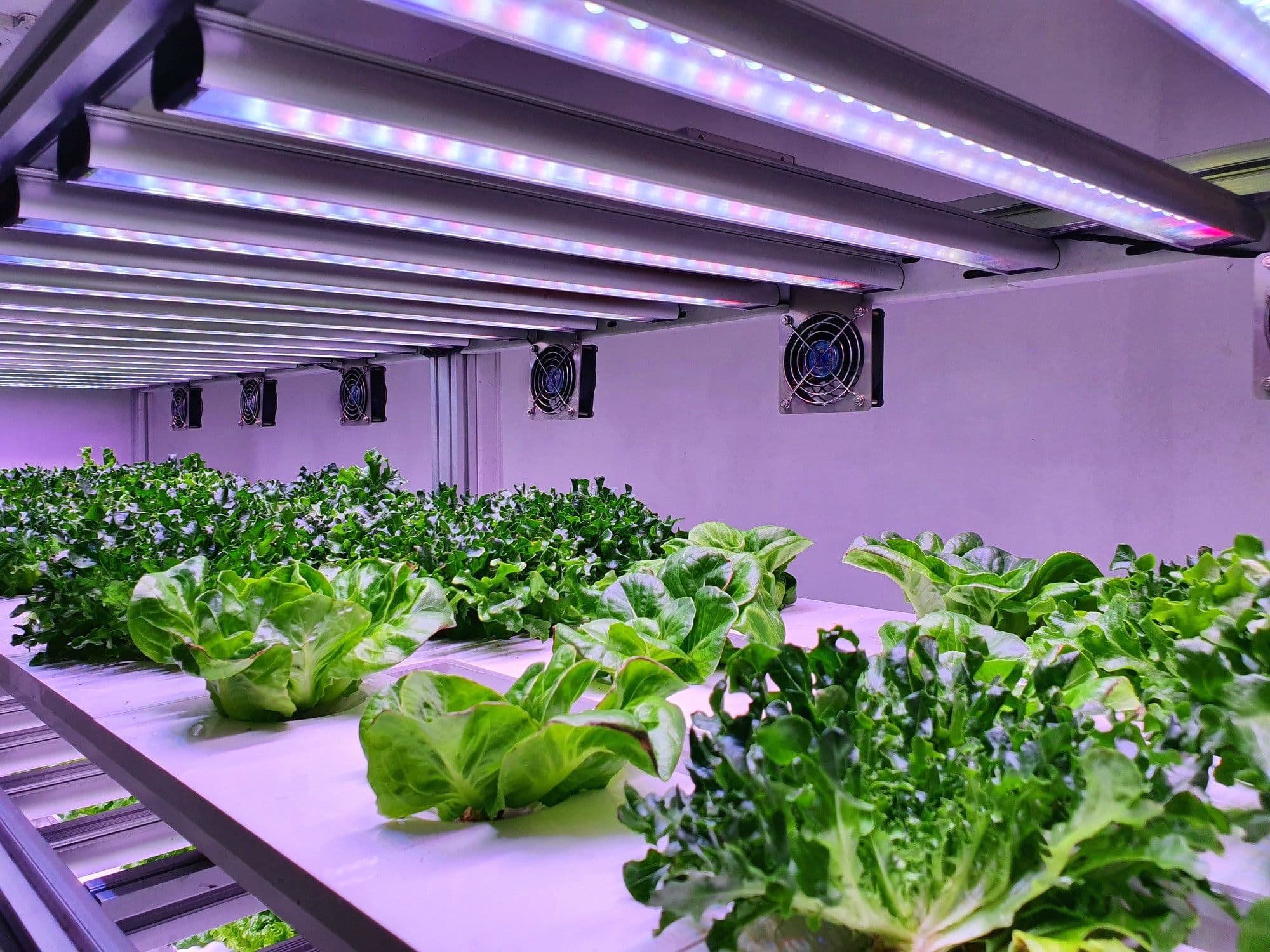
Can Plants Grow With Artificial Light?
Plants can grow under artificial light when the setup provides a suitable spectrum, enough intensity, and sufficient daily exposure. This guide explains how artificial lighting compares with sunlight, which options work indoors, and how to match a setup to houseplants.
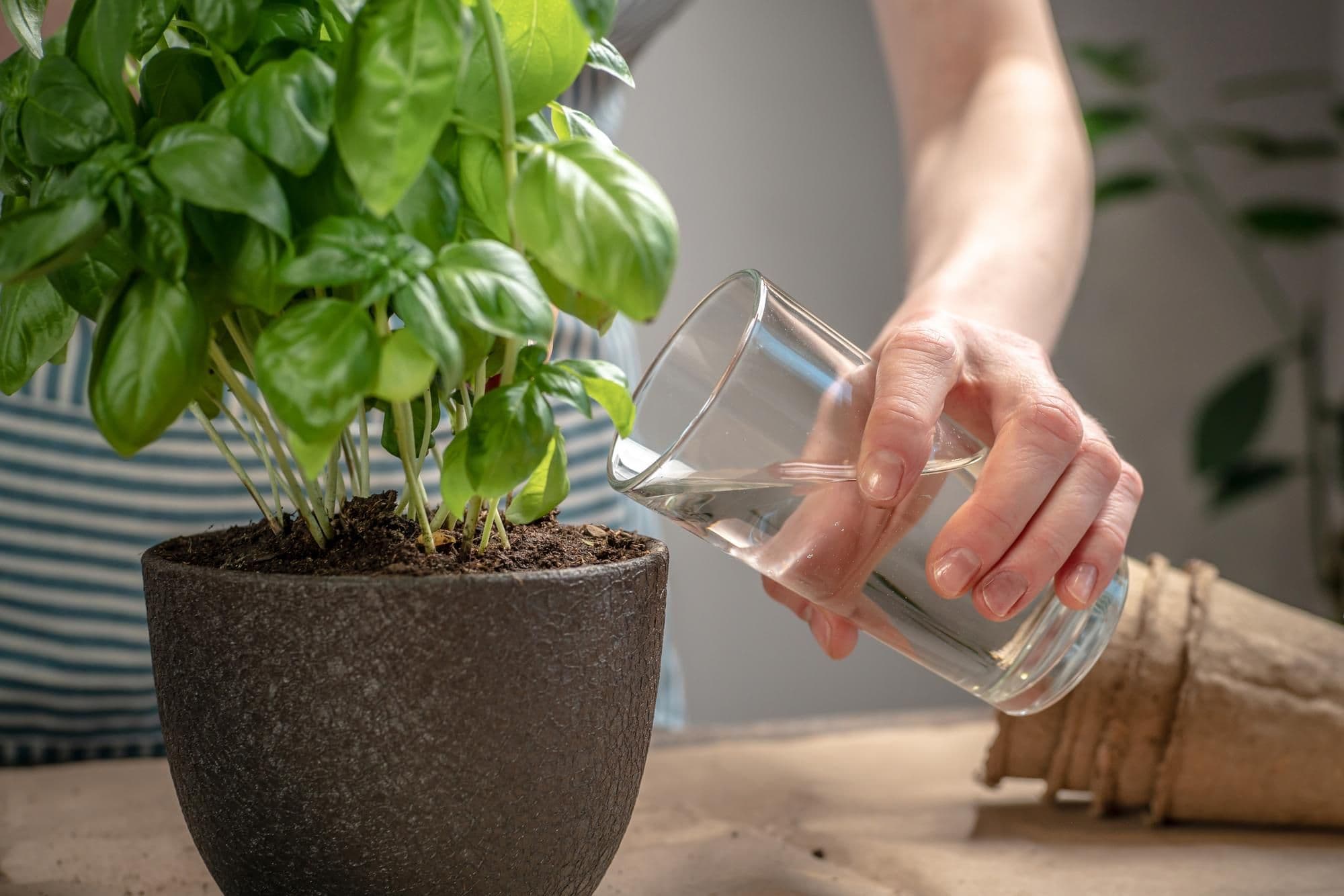
4 min read · 14 Sept 2026
Is Sugar Water Good for Plants?
Sugar water may sound like an easy boost, but most rooted plants do not need extra sucrose. This guide explains how green tissues produce carbohydrates, when a sweetened solution can be useful, and why too much can cause problems.
Explore Plants by Care Needs
-200x150.webp)
Identify the plant and problem. Help your plant recover
Identify plant problems early, understand what's wrong, and get clear care guidance. Botan helps you turn guesswork into confident plant care