BotaN logo

Korean lawngrass Care (Zoysia japonica)

Also known as: Japanese Zoysiagrass, Japanese lawn grass, Korean grass
Korean lawngrass

About Korean lawngrass

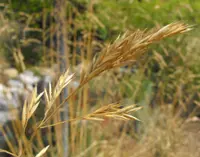
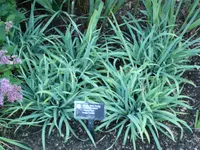
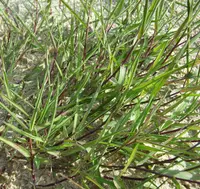
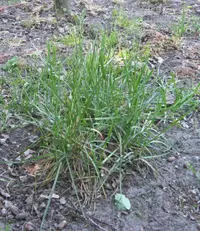
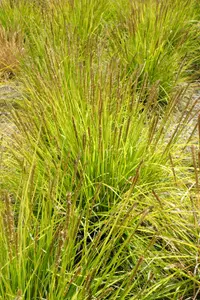
Korean lawngrass, Zoysia japonica, is a warm-season turf grass valued for forming a dense, low-growing lawn. It spreads by creeping stems that knit together into a tight, durable mat.

This species is native to East Asia and is widely used in lawns, parks, and sports areas in regions with warm summers. Its slow growth and tolerance of foot traffic make it suitable for areas that need a tough surface.

Z. japonica generally prefers full sun, moderate moisture, and well-drained soil. Understanding how to care for Korean lawngrass helps maintain an even, healthy, and weed-resistant lawn over time.

Main Plant Requirements

Care Difficulty

Moderate Care

Light Preference

Full Sun

Water Requirements

Moderate Water

Temperature Preference

Warm Climate

Hardiness Zone

5–10

Soil Texture

Sandy, Loamy, Clay

Soil pH

Acidic (5.5–6.5), Slightly acidic (6.5–7.0)

Soil Drainage

Well-drained

Fertilization

Light (every 4–6 weeks)

Get Personalized Care Plan

Scan your plant to receive care tips personalized for your specific plant

Available on iOS and Android

How to Care for the Korean lawngrass

This warm-season turf performs best with consistent, direct sun exposure.

  • Provide 6–8 hours of full sun daily; 4–6 hours plus bright, open sky can still support a reasonably dense lawn of Korean lawngrass.
  • Prioritize morning sun with light afternoon shade in hot regions to reduce leaf scorch and soil moisture loss.
  • In heavy shade the turf thins, stretches, and becomes patchy; prune overhanging branches or reduce shade to maintain density.

This grass prefers deep, infrequent watering that encourages strong root growth.

  • Allow the top 5–7 cm of soil to dry before watering, then irrigate deeply so moisture reaches 10–15 cm into the root zone.
  • Reduce watering in cool seasons or during dormancy, increasing only during extended dry, hot periods for Zoysia japonica.
  • Watch for gray-blue, folding blades and slow spring-back after walking as signs of dryness; yellowing, mushy areas and algae indicate excess water or poor drainage.

This warm-season grass thrives in hot summers and tolerates a range of cooler conditions.

  • Optimal growth occurs around 75–90°F (24–32°C); growth slows noticeably below 60°F (16°C).
  • Tolerates winter down to about 10–20°F (-12 to -6°C) with dormancy and browning, then usually greens up again in spring.
  • Handles heat above 95°F (35°C) if soil moisture is adequate, but prolonged heat with drought stress can cause thinning and increased weed invasion.

This warm-season turf grass grows well in 30–60% humidity and usually does not need special air moisture management outdoors.

  • Korean lawngrass tolerates dry air but may brown at the tips during prolonged hot, windy, low-humidity periods.
  • Humidity stress often shows as edge-browning and slower recovery from wear rather than sudden wilting.
  • If turf shows chronic tip-burn, reduce evaporation with higher mowing height and light, infrequent evening misting in dry spells.

This species prefers moderately fertile, well-drained mineral soil and spreads best where roots receive both air and consistent moisture.

  • Use a sandy or sandy-loam soil with 2–3 cm of mixed-in compost to supply organic matter without making it heavy or waterlogged.
  • For Zoysia japonica, aim for pH 6.0–7.0; in acidic soils, incorporate garden lime according to soil test recommendations.
  • Improve drainage and aeration in compacted or clay areas by topdressing with coarse sand plus compost and aerating before establishment.
  • Avoid dense clay, constantly wet spots, or thick thatch layers, which restrict oxygen around the roots and slow stolon and rhizome spread.

This grass can be grown in containers, but it performs best in wide, shallow, very well-drained setups used as turf-like planters or accents.

  • Choose a low, broad container to allow lateral stolon spread rather than a tall pot that only adds unnecessary root depth.
  • Fill the pot with a sandy, fast-draining mix and set it slightly below the rim so runoff leaves the surface quickly during heavy rain or irrigation.
  • Use a heavier or terracotta container to reduce tipping and moderate moisture swings when the dense turf canopy becomes thick.

Zoysia japonica benefits from modest, well-timed feeding to maintain dense, green turf without excessive thatch.

  • Apply a balanced slow-release lawn fertilizer (for example 10-10-10 or similar NPK) at light rates in late spring once growth is active.
  • Repeat light applications 1–2 more times during summer, spacing feeds 6–8 weeks apart for steady nutrition.
  • Use half to three-quarter label strength on established lawns to reduce burn risk and thatch buildup when caring for Korean lawngrass.
  • Stop feeding 4–6 weeks before expected frost so growth can harden off and the grass can enter dormancy cleanly.

Pruning for Zoysia japonica mainly means correct mowing and small spot corrections rather than structural cutting.

  • Mow during active growth in late spring through summer, keeping blades at 1–2 in to encourage dense, low turf.
  • Remove dead, diseased, or scalped patches with a sharp knife or edging tool, then relevel soil and allow surrounding grass to fill in.
  • Use a dethatching rake or vertical mower every few years if thatch exceeds about 1.5 cm, which improves air and water penetration.
  • Keep mower blades sharp and avoid removing more than one-third of the leaf height at a time to limit stress and brown tips.

Transplanting is more relevant than repotting for this lawn grass, which is typically grown as turf rather than as a container specimen.

  • Look for thinning patches, poor spread, or sod lifting easily from the soil as signs the lawn may need renovation and transplanting of plugs or sod pieces.
  • Plan major transplanting for late spring to early summer when soil is warm and Zoysia japonica is actively growing for faster establishment.
  • Expect to renovate or transplant sections only every several years, as this grass forms a long-lived, slowly spreading sod once established.
  • Water new plugs or sod deeply after planting, reduce foot traffic, and keep soil evenly moist for 2–3 weeks to limit root stress and encourage firm anchoring.

New plants are most often produced by division of sod, plugs, or stolons rather than by seed.

  • Carry out division in late spring to early summer when soil is warm and plants are actively growing for reliable establishment.
  • Cut sod into small plugs or strips with a sharp spade, keeping a good amount of roots and attached soil on each piece.
  • Plant plugs into loosened, leveled soil at regular spacing, then firm them in so root zones have close contact with moist soil.
  • Maintain consistent surface moisture and full sun exposure until new shoots and lateral runners close gaps between planting spaces.

This warm-season grass is fairly cold hardy but turns brown and dormant in cool climates over winter, usually needing only minimal care.

  • Cease nitrogen feeding in late summer so plants can harden before freezing weather and reduce tender growth.
  • Mow slightly higher in fall, around 1.5–2 in, to leave a bit more leaf area insulating the crowns.
  • In colder zones, apply a light mulch of clean straw or compost over exposed edges or thin patches to buffer soil temperature.
  • Container-grown sod or plugs in small trays should be moved to a cold, bright, frost-free spot to prevent root damage.

Care Tips

Manage Thatch Layer

Inspect the turf each spring and mechanically dethatch if the thatch layer exceeds about 1.3 cm to maintain dense growth and reduce insect and disease habitat.


Time Core Aeration

Core-aerate compacted lawns in late spring to early summer when the grass is actively growing, then leave the soil plugs on the surface to break down and improve soil structure.

Optimize Mowing Height

Adjust your mower gradually over 2–3 cuts when changing height, and never remove more than one-third of the blade at a time to avoid stressing the turf and thinning the stand.

Spot-Repair With Plugs

For bare patches, cut small plugs from a healthy area or purchased sod, space them 10–15 cm apart in the damaged zone, and keep the area evenly moist until the plugs knit together.

Plan Seasonal Transitions

In late summer, taper nitrogen applications and avoid aggressive dethatching so the lawn hardens off properly before winter, which is a key part of reliable Zoysia japonica care.

Common Pests and Diseases

Hunting billbug

This pest damages zoysia by chewing stems at or just below the soil surface, causing patches that brown and die out, especially in spring and early summer. Symptoms include loose, easily pulled turf and hollowed stems filled with frass (insect waste).

Solution

Reduce thatch to below 1.3 cm, avoid excessive spring nitrogen, and monitor with pitfall or soap flush tests to confirm activity before treatment. For high populations, apply a targeted lawn insecticide labeled for billbugs in late spring when adults are active, and irrigate lightly afterward to move the product into the thatch and upper soil.

Zoysia patch

This disease, caused by the fungus Rhizoctonia solani, creates circular or irregular orange-brown patches that may form rings, often most visible in cool, wet weather in spring and fall. Symptoms include an orange halo on the patch margin and thinning turf that may not green up uniformly.

Solution

Improve drainage, reduce thatch, and avoid excess nitrogen in late summer to limit favorable conditions for the fungus. In problem lawns, apply a systemic fungicide labeled for large patch or zoysia patch in fall and/or early spring, treating just beyond the visible patch edge and following label timing closely for effective Zoysia japonica care instructions.

Rust disease

This disease produces fine yellow to orange powdery pustules on leaves, leading to a dull, thin, and slow-growing lawn under shade or low fertility. Symptoms include rust-colored dust on shoes or equipment after walking on the turf.

Solution

Mow regularly to remove infected leaf tissue, improve sun exposure where possible, and maintain balanced fertilization to support steady growth. In severe or recurring cases, use a turf fungicide labeled for rust on warm-season grasses, rotating active ingredients if multiple applications are needed.

White grubs

These insects are the larvae of scarab beetles and feed on roots, leading to wilting, yellowing, and spongy turf that lifts up like a loose carpet. Symptoms include increased activity of birds, skunks, or raccoons digging for larvae in the lawn.

Solution

Confirm presence and density by cutting and peeling back a small turf section and counting grubs in the root zone. For damaging populations, apply a grub-specific insecticide at the recommended timing for the local beetle species, water it in thoroughly, and keep the lawn moderately irrigated to help zoysia regrow roots.

Dollar spot

This disease forms small, straw-colored spots that can merge into larger irregular areas, especially under low nitrogen and extended leaf wetness. Symptoms include bleached lesions on leaves with reddish-brown borders and a fine, cottony fungal growth in early morning under humid conditions.

Solution

Raise mowing height slightly, water deeply but infrequently in early morning, and apply light, balanced nitrogen to support recovery. If needed, use a turf fungicide labeled for dollar spot on warm-season grasses, alternating products with different modes of action to prevent resistance.

Interesting Facts

Cold-tolerant warm-season grass

This warm-season turf species can survive winter temperatures down to the upper -10s°F when dormant, which is unusually cold-hardy compared with many other warm-season grasses such as Bermuda grass or centipede grass.

Rhizomes and stolons combined

It spreads using both rhizomes (underground stems) and stolons (aboveground creeping stems), forming a dense, carpet-like lawn that resists weed invasion and tolerates moderate foot traffic.

Origins and natural range

This species is native to eastern Asia, especially Korea, Japan, and parts of China, and many turf-type cultivars used in North America were originally selected from plants introduced from these regions for trials in the early 20th century.

Botan icon

Did you know?

In the United States this species became especially prominent after World War II, when it was promoted and tested extensively on golf courses and home lawns for its ability to produce a fine-textured, dense turf with fewer mowing and fertilizing needs than many traditional lawn grasses, shaping modern Zoysia japonica care instructions in cool-to-warm transitional climates.

FAQs about Korean lawngrass

Brown leaf tips or patches usually result from drought stress, heavy thatch, compacted soil, or excess fertilizer. Check soil moisture, reduce foot traffic, aerate compacted areas, and follow conservative feeding to restore uniform green coverage over time.

Grow Healthy Plants with Botan Care

Keep your plants happy and healthy with plant identification, disease detection, and easy care guidance.

Botan plant care app — identify plants on mobile

Explore More Plants