Protect Early Buds
Cover the shrub with a breathable frost cloth or old sheet on late-winter nights below 28°F to prevent flower buds from browning and dropping after an early warm spell.

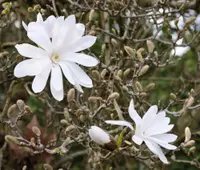
Star magnolia, Magnolia stellata, is a compact deciduous shrub or small tree valued for its early spring flowers. It typically forms a rounded shape with many upright branches.
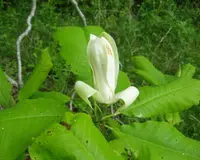
The plant is known for its star-shaped white or soft pink blossoms that appear on bare wood before the leaves, creating a clean, showy display. Its foliage is simple, green, and turns yellow to bronze in autumn.
Magnolia stellata is native to Japan and adapts well to many temperate gardens. It is generally considered reliable and not difficult to grow when planted in a suitable climate.
It prefers a sunny to lightly shaded position, evenly moist but well-drained soil, and some shelter from harsh wind, which helps when you care for Star magnolia.

Care Difficulty
Moderate Care

Light Preference
Full Sun

Water Requirements
Regular Water

Temperature Preference
Cold Hardy

Hardiness Zone
4–9

Soil Texture
Loamy, Sandy, Organic-rich

Soil pH
Acidic (5.5–6.5), Slightly acidic (6.5–7.0)

Soil Drainage
Moist but well-drained

Fertilization
Minimal (feed rarely)
Scan your plant to receive care tips personalized for your specific plant
Available on iOS and Android
This deciduous shrub prefers bright conditions with some protection during the hottest part of the day.
This shallow‑rooted shrub needs steady moisture in well‑drained soil, especially while establishing.
This hardy shrub is adapted to cool to temperate climates with cold winters and mild to warm summers.
Humidity is not a major factor for Magnolia stellata, which adapts well to typical outdoor levels in most temperate gardens.
Magnolia stellata prefers a deep, moisture-retentive yet well-drained soil that remains evenly moist without becoming waterlogged.
This species can grow in containers for many years if the pot supports its woody root system and canopy weight.
Magnolia stellata benefits from light, targeted feeding rather than heavy fertilization.
Magnolia stellata needs only light pruning to maintain structure and remove damaged wood.
This shrub is most often planted in the ground, so focus on careful transplanting rather than frequent repotting.
Magnolia stellata propagation is possible but slower than many shrubs, and patience is essential.
This shrub is generally cold hardy, but flower buds can be vulnerable to late frosts in colder regions.

Plant Health Check
Not sure what's wrong with your plant? Check your plant's health inside the app.
The star-shaped flowers show traits considered primitive among flowering plants, such as numerous spirally arranged tepals instead of distinct petals and sepals, reflecting the magnolia family’s ancient evolutionary history.
This species flowers very early in spring, often before leaf-out and sometimes while snow is still on the ground, which makes its reproductive cycle highly exposed to late frost damage compared with many other ornamentals.
Magnolia stellata is native to limited areas of central Honshu, Japan, where it grows along streams and in wet lowlands, which explains its preference for evenly moist, slightly acidic soils in cultivation.

Magnolia stellata is one of the key wild parent species used in breeding many modern deciduous magnolia hybrids, contributing its compact size and early, star-shaped flowers to widely planted garden cultivars.
Lack of flowers often comes from pruning at the wrong time, frost damage to buds, or too much shade. Avoid heavy pruning after midsummer, protect buds from late frosts, and ensure adequate light exposure.
Keep your plants happy and healthy with plant identification, disease detection, and easy care guidance.