Root zone cooling
Apply a 5–8 cm layer of shredded bark or leaf mold over the root zone each spring to keep the shallow roots cool, conserve moisture, and reduce weed competition without piling mulch against the stems.


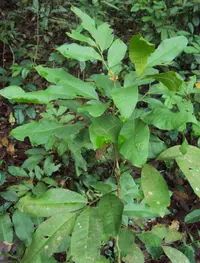
Bottlebrush buckeye, Aesculus parviflora, is a large deciduous shrub valued for its bold foliage and showy summer flowers. It forms a broad, spreading clump with layered branches and palmate leaves that create a dense, architectural mass in the landscape.
In early to mid-summer it produces tall white flower spikes that resemble bottlebrushes, attracting bees and butterflies. The plant is native to the southeastern United States, typically found in woodland edges and moist, partly shaded sites.
Its adaptability to shade, tolerance of average soils, and moderate growth rate make it reasonably easy to grow for most gardeners. Once you understand how to care for bottlebrush buckeye, it can serve as a long-lived, low-maintenance background or understory shrub in temperate gardens.

Care Difficulty
Easy Care

Light Preference
Partial Shade

Water Requirements
Regular Water

Temperature Preference
Cold Hardy

Hardiness Zone
4–8

Soil Texture
Loamy, Clay, Organic-rich

Soil pH
Acidic (5.5–6.5), Slightly acidic (6.5–7.0)

Soil Drainage
Moist but well-drained

Fertilization
Minimal (feed rarely)
Scan your plant to receive care tips personalized for your specific plant
Available on iOS and Android
This shrub prefers bright, gentle light that avoids intense afternoon sun in hotter regions.
This species prefers evenly moist, well-drained soil and reacts poorly to extremes of drought or saturation.
This hardy shrub performs best in climates with cold winters and moderate summers.
Humidity is usually not a limiting factor for Aesculus parviflora outdoors.
Aesculus parviflora prefers deep, moisture-retentive but well-drained soil to develop a broad, healthy root system.
This large, spreading shrub is generally not ideal for long-term container growing.
This native shrub usually needs little feeding in garden soil but benefits from light support in poor sites.
Pruning Aesculus parviflora is mainly done to maintain structure and remove problem wood, not to control size aggressively.
This shrub is usually grown in the ground, so focus on careful transplanting rather than frequent repotting.
Aesculus parviflora is usually propagated by seed or division and is slower to increase than many shrubs.
This shrub is cold hardy in much of its range and needs only modest winter attention once established.

Plant Health Check
Not sure what's wrong with your plant? Check your plant's health inside the app.
This species produces tall early- to mid-summer flower spikes rich in nectar, which strongly attract hummingbirds, bumblebees, and many native butterflies when few other large shrubs are in peak bloom.
Unlike most buckeyes, this plant naturally grows and flowers well in bright shade at the edges and understory of deciduous forests in the southeastern United States.
Its smooth, rounded fruits dry and split open to drop glossy brown seeds that are then further moved by gravity, small animals, and water, helping the shrub slowly colonize moist woodland slopes and stream banks.

Bottlebrush buckeye is one of the few large ornamental shrubs hardy from roughly USDA zone 4 to 8 that can form broad, dense colonies in deep shade, making it highly valued in historic landscapes and large woodland gardens for reliable structure and seasonal bloom where many flowering shrubs fail.
Lack of flowers often comes from too much shade, immature age, or heavy pruning of young wood where buds form. Late frosts can also damage flower buds. Consistent conditions over several seasons usually restore normal blooming.
Keep your plants happy and healthy with plant identification, disease detection, and easy care guidance.