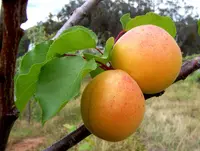
Portugal laurel Care (Prunus lusitanica)

Also known as: Portuguese laurel
Portugal laurel

About Portugal laurel

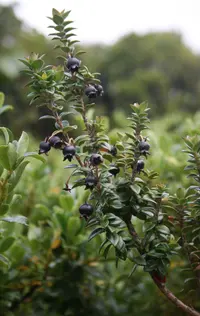
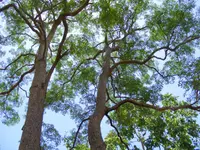
Portugal laurel (Prunus lusitanica) is an evergreen shrub or small tree, often used for dense hedges and screens in gardens and landscapes. It forms glossy, dark green foliage with small white flower clusters followed by dark berries, giving it an elegant, formal look.

This species is native to southwestern Europe and parts of North Africa but is widely planted in temperate regions. It is generally robust and adaptable, which makes it relatively straightforward to care for Portugal laurel in many garden conditions.

It prefers moderate light, well-drained soil, and steady moisture, and it tolerates regular pruning to maintain shape and size.

Main Plant Requirements

Care Difficulty

Easy Care

Light Preference

Partial Sun

Water Requirements

Moderate Water

Temperature Preference

Cold Hardy

Hardiness Zone

6–9

Soil Texture

Sandy, Loamy, Clay

Soil pH

Acidic (5.5–6.5), Slightly acidic (6.5–7.0)

Soil Drainage

Moist but well-drained

Fertilization

Minimal (feed rarely)

Get Personalized Care Plan

Scan your plant to receive care tips personalized for your specific plant

Available on iOS and Android

How to Care for the Portugal laurel

This evergreen hedge shrub prefers consistent outdoor light with some daily sun exposure.

  • Provide 4–6 hours of direct morning or late-afternoon sun, with light afternoon shade in hotter regions to prevent leaf scorch on Portugal laurel.
  • Tolerates partial shade (as little as 2–3 hours of direct or bright filtered light), but dense shade reduces growth, flowering, and hedge density.
  • In summer, protect from intense reflected heat from walls or paving; in winter, ensure at least bright open sky exposure to maintain compact growth.

This shrub prefers evenly moist but not saturated soil once established.

  • Allow the top 3–5 cm of soil to dry before watering young plants; deep soak the root zone rather than sprinkling the surface.
  • In the first 1–2 growing seasons, monitor closely during dry spells; leaves that droop and curl slightly indicate underwatering, while yellowing leaves and soggy soil suggest overwatering.
  • Ensure free-draining soil; amend heavy clay with grit or organic matter so water drains within a few hours after rain or irrigation to protect Prunus lusitanica roots.

This hardy shrub tolerates a wide temperature range in most temperate outdoor climates.

  • Optimal growth occurs around 60–75°F (16–24°C), with strong root and shoot development during mild spring and fall conditions.
  • Mature plants usually survive down to about 5–10°F (-15 to -12°C); young or newly planted shrubs benefit from mulch to buffer soil temperatures in winter.
  • Handles summer heat up to about 90–95°F (32–35°C) if soil moisture is maintained; prolonged extreme heat or hot, drying winds can scorch foliage, especially in full sun.

This shrub handles a wide humidity range and rarely needs special humidity management outdoors.

Prunus lusitanica prefers moderately fertile, well-structured soil that drains freely yet retains some moisture.

  • Use a loamy soil with 20–40% organic matter, such as composted bark or garden compost, to support steady growth.
  • Aim for slightly acidic to neutral pH around 6.0–7.5; avoid highly alkaline, chalky soil that can limit nutrient uptake.
  • Improve drainage and aeration in heavy clay by incorporating coarse sand or fine gravel plus organic matter through the top 20–30 cm.
  • Avoid compacted, waterlogged ground or sites where water stands after rain, which encourages root rot and poor establishment.

This species can be grown in containers for hedging or specimen use if the pot is managed carefully.

  • Choose a deep, heavy container to provide root depth and prevent wind from tipping over the dense, leafy canopy.
  • Use a free-draining mix such as 60–70% loam-based compost with added grit or pine bark to reduce waterlogging risk.
  • Raise the pot on feet or spacers so drainage holes stay clear and excess water escapes quickly after irrigation or rain.

This evergreen shrub benefits from moderate feeding but does not need heavy fertilization for healthy growth.

  • In spring, apply a balanced slow-release fertilizer (for example 10-10-10) or a thin layer of well-rotted compost around the root zone.
  • Feed container-grown Portugal laurel every 6–8 weeks in the growing season with a half-strength balanced liquid fertilizer.
  • Avoid feeding in late fall and winter to prevent soft growth that is vulnerable to cold damage.
  • Water after applying fertilizer to reduce root burn and distribute nutrients evenly.

Prunus lusitanica responds well to thoughtful pruning that maintains structure and density.

  • Carry out main pruning in late winter or early spring before active growth, with light touch-ups in midsummer if needed.
  • Remove dead, diseased, crossing, or inward-growing branches to improve airflow and reduce disease risk.
  • Trim vigorous shoots to refine the hedge or shrub outline, encouraging dense, leafy growth.
  • Use clean, sharp hand pruners or loppers, making angled cuts just above outward-facing buds.

Portugal laurel is usually grown in the ground but young plants and container specimens sometimes need careful transplanting.

  • Transplant in early spring or early fall so roots establish in mild, moist conditions before heat or hard frost.
  • Look for signs such as roots circling the pot, water running off quickly, or noticeably slowed growth in containers.
  • Move up only 1–2 pot sizes, using a free-draining, loam-based mix, and keep the root ball intact to limit stress.
  • After transplanting, water deeply, mulch 5–8 cm away from the stem, and shade briefly in hot, windy weather.

New Prunus lusitanica plants are most often raised from semi-ripe cuttings or seeds by patient growers.

  • Take semi-ripe cuttings in mid to late summer, 8–12 cm long, from healthy, non-flowering shoots.
  • Remove lower leaves, dip the base in rooting hormone, and insert into a free-draining, moist, low-nutrient medium.
  • Keep cuttings in bright, indirect light at 65–75°F with high humidity, using a propagator or clear cover.
  • Sow cleaned seeds outdoors in fall or in trays needing cold stratification, then grow on slowly once germinated.

This evergreen is fairly cold hardy in much of the US and usually needs only modest winter care.

  • In fall, apply a 5–8 cm mulch layer over the root zone, keeping it slightly away from the trunk.
  • In colder climates or exposed sites, use windbreaks or burlap screens to reduce drying winter winds.
  • For container plants in regions below about 0°F, move pots into a sheltered, unheated but frost-free spot.

Care Tips

Wind-firm training

In the first 2–3 years, lightly stake young plants and remove lower, weak side shoots to encourage a single sturdy leader that resists wind rock and root loosening.


Root-zone mulching

Maintain a 5–8 cm layer of bark or wood-chip mulch over the root zone, keeping it 5 cm away from the trunk, to buffer soil temperature, stabilize moisture, and reduce weed competition.

Salt and spray shielding

In coastal or roadside sites, install a wind-permeable barrier such as mesh fencing for the first few seasons to reduce salt-laden spray on new foliage and limit leaf scorch.

Hedge density management

When using as a hedge, tip-prune new shoots several times through the growing season rather than making one hard cut, which builds a dense, leafy screen from top to bottom.

Proactive pest scouting

From late spring, check the undersides of leaves and young stems every 2–3 weeks for scale insects, aphids, or leaf spot lesions so that caring for Portugal laurel includes early, targeted treatment before damage escalates.

Common Pests and Diseases

Shot hole

This disease causes small brown leaf spots that dry out and fall away, leaving round holes that give foliage a tattered appearance. Symptoms include premature yellowing and early leaf drop, especially in damp seasons.

Solution

Collect and dispose of fallen leaves, prune out heavily affected shoots, and improve air circulation through the hedge to help foliage dry quickly. In wet springs, apply a copper- or chlorothalonil-based fungicide labeled for ornamental cherries at the first sign of spotting, following local regulations and label directions.

Cherry leaf spot

This disease produces numerous tiny purple to reddish spots that later turn brown and may cause leaves to yellow and drop early, thinning the hedge. Symptoms include more severe damage in humid, wet conditions.

Solution

Rake and remove infected leaves from around the base and thin dense growth to reduce humidity within the canopy. Where the problem recurs, start a preventative fungicide program in spring using a product labeled for cherry leaf spot, timed from leaf emergence through periods of prolonged wet weather.

Vine weevil

This pest feeds on foliage at night, leaving irregular notches around leaf edges, while larvae in the soil chew on roots and can cause sections of the plant to wilt. This pest is more common in container or newly planted specimens.

Solution

Hand-pick adult beetles at night, shake shrubs onto a sheet to collect them, and remove hiding places such as dense groundcovers near the base. For larvae, use entomopathogenic nematodes labeled for vine weevil in late summer or early fall, applied to moist soil according to label directions.

Scale insects

These insects appear as small, fixed bumps on stems and leaf undersides, and they suck plant sap, leading to weakened growth and sticky honeydew that can attract sooty mold. Infestations often go unnoticed until leaves look dull and growth slows.

Solution

Prune out and discard heavily infested twigs, then wash remaining stems with a strong but controlled stream of water to dislodge soft scales. For persistent problems, use a horticultural oil spray during the plant’s dormant or cool periods to smother overwintering stages, repeating as directed on the product label as part of long-term Prunus lusitanica care.

Interesting Facts

Natural range outlier

This species is native to the western Iberian Peninsula and parts of North Africa, occurring naturally on acidic, often rocky slopes and woodland margins rather than in the classic laurel forests often associated with evergreen Prunus species.

Flowering and pollinators

It produces many upright racemes of small, strongly scented white flowers in late spring to early summer, which are highly attractive to bees, hoverflies, and other pollinating insects in urban and rural settings.

Bird-dispersed fruits

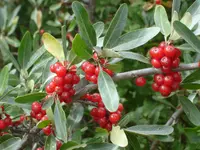
The plant forms dark red to almost black drupes that are bitter to humans but valued by birds, which disperse the seeds and can contribute to its tendency to naturalize in mild, moist climates.

Botan icon

Did you know?

Despite its common name Portugal laurel, historical and botanical evidence indicates that it was first described from plants growing in Portugal but also occurs naturally beyond Portugal’s borders, including in Spain and Morocco, illustrating how common names can obscure a species’ true native range.

FAQs about Portugal laurel

Brown leaves usually result from drought stress, wind scorch, or winter damage. Check soil moisture, mulch the root zone, and prune only dead tips. If browning spreads quickly, inspect roots for rot or recent transplant shock.

Grow Healthy Plants with Botan Care

Keep your plants happy and healthy with plant identification, disease detection, and easy care guidance.

Botan plant care app — identify plants on mobile

Explore More Plants