Root-confining containers
Use a relatively narrow, deep pot with good drainage to keep roots slightly confined, which helps maintain a compact canopy and reduces the risk of overwatering during caring for Incense tree.

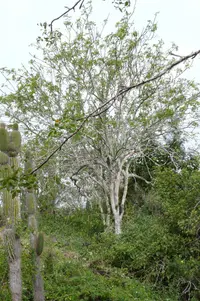
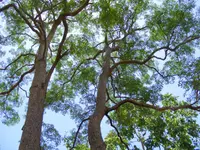
Incense tree, Bursera graveolens, is a small, semi-succulent tree known for its aromatic resin and twisted, sculptural branches. It belongs to the dry tropical forests of coastal South America. The plant typically develops a thick, water-storing trunk with sparse, small leaves that may drop in dry or cool conditions, giving it a distinctive, bonsai-like outline. Its slow growth and drought tolerance make it relatively forgiving in containers, as long as the roots do not stay wet. For those learning how to care for Incense tree, good light, warm temperatures, and sharply draining, mineral-rich soil are the key starting points.

Care Difficulty
Moderate Care

Light Preference
Full Sun

Water Requirements
Low Water

Temperature Preference
Tropical / Frost Sensitive

Hardiness Zone
10–12

Soil Texture
Sandy, Loamy, Rocky

Soil pH
Slightly acidic (6.5–7.0), Neutral (7.0)

Soil Drainage
Well-drained

Fertilization
Minimal (feed rarely)
Scan your plant to receive care tips personalized for your specific plant
Available on iOS and Android
Bursera graveolens needs bright sun similar to other dry tropical shrubs.
This dry-forest shrub prefers infrequent but deep watering with fast drainage.
This species prefers warm, dry conditions similar to its native tropical dry forests.
This dryland species handles typical indoor humidity but still benefits from slightly moderated conditions.
Bursera graveolens prefers a fast-draining, mineral-rich mix similar to cactus or arid bonsai soil.
This species adapts well to container culture when the pot and drainage are managed carefully.
Bursera graveolens is adapted to nutrient-poor soils and needs only light feeding in cultivation.
Bursera graveolens benefits from occasional, light structural pruning to maintain a healthy, open canopy.
This dryland tree grows slowly and prefers infrequent disturbance, so repot or transplant Bursera graveolens only when clearly needed.
Bursera graveolens can be propagated in cultivation, mainly from semi-hardwood cuttings and seeds under warm, dry-leaning conditions.
This species is frost-sensitive and needs protection in regions with cold winters or strong temperature swings.

Plant Health Check
Not sure what's wrong with your plant? Check your plant's health inside the app.
The wood and resin of this species release a characteristic lemony, slightly sweet aroma when burned or freshly cut, caused by a complex mix of terpenes such as limonene and alpha-terpineol.
As a dry-forest tree, it sheds its small compound leaves during the long dry season to reduce water loss, then rapidly re-leafs with the first consistent rains.
This species is native to seasonally dry tropical forests along the Pacific coast of South America, where it grows on rocky, nutrient-poor soils that many other tree species cannot tolerate.

In parts of coastal Ecuador and Peru, long-term overharvesting of fallen wood from wild populations of this species led to local declines, which prompted community-based programs and international guidelines promoting controlled, sustainable collection rather than cutting live trees.
Yes, it adapts well to containers due to its slow to moderate growth and relatively small root system. Use a deep pot, very free-draining mix, and avoid overpotting to reduce rot risk when growing Incense tree.
Keep your plants happy and healthy with plant identification, disease detection, and easy care guidance.