Central leader training
In the first 3–5 years, select one strong central leader and remove competing upright shoots in late winter so the tree develops a stable, open structure that carries fruit safely without splitting in storms.

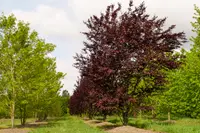
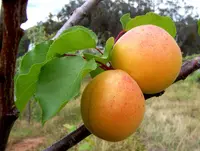
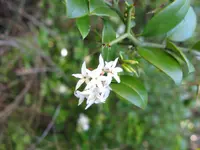
Canadian plum, Prunus nigra, is a hardy deciduous fruit tree native to eastern and central North America. It typically forms a small tree or large shrub with a rounded crown. In spring it produces white to pale pink blossoms, followed by small, firm plums that are often used for preserves rather than fresh eating.
This species is adapted to cold climates and tolerates a range of soils, making it useful in orchards, shelterbelts, and wildlife plantings. It generally prefers full sun, moderately moist, well-drained soil, and benefits from good air circulation. These traits make it reasonably straightforward to care for Canadian plum in suitable outdoor conditions.

Care Difficulty
Moderate Care

Light Preference
Full Sun

Water Requirements
Moderate Water

Temperature Preference
Cold Hardy

Hardiness Zone
2–6

Soil Texture
Sandy, Loamy, Clay

Soil pH
Acidic (5.5–6.5), Slightly acidic (6.5–7.0)

Soil Drainage
Moist but well-drained

Fertilization
Minimal (feed rarely)
Scan your plant to receive care tips personalized for your specific plant
Available on iOS and Android
This hardy fruit tree performs best with abundant direct light in most climates.
This species prefers evenly moist, well‑drained soil rather than frequent shallow watering.
This cold-hardy tree thrives in temperate climates with distinct seasons.
Humidity is not a major factor for Prunus nigra, which thrives in typical outdoor conditions across most temperate regions.
Prunus nigra prefers moderately moist, well-drained mineral soils that support deep, stable root development.
This species can be grown in large containers only short to medium term, mainly for patios or small spaces.
Prunus nigra benefits from modest, targeted feeding rather than heavy fertilization.
Prunus nigra responds well to light, structured pruning that maintains form and encourages healthy flowering wood.
This species is usually grown in the ground, so management focuses on transplanting young trees rather than routine repotting.
Prunus nigra is commonly propagated by seed and hardwood cuttings, though success requires controlled conditions.
This cold-hardy species generally needs minimal winter care once established in the ground.

Plant Health Check
Not sure what's wrong with your plant? Check your plant's health inside the app.
This species naturally hybridizes with the native sand cherry (Prunus pumila), forming the hybrid Prunus × cistena, which is widely used as a hardy ornamental shrub in cold climates.
It is one of the hardiest North American plums, naturally occurring in the colder regions of central and eastern Canada and the northern United States, where it tolerates long, cold winters that damage many other Prunus species.
Its early spring blossoms provide an important nectar and pollen source for bees emerging from winter, while the small, sour fruits are eaten by birds and mammals that help disperse the seeds.

Historically, Canadian Indigenous communities and early European settlers used the tart fruits of Prunus nigra in preserves, sauces, and pies, often mixing them with sweeter fruits to balance the strong, astringent flavor.
The fruits are edible when fully ripe and are often used for jams, jellies, and preserves due to their tart flavor. The raw fruit is safe, but seeds and wilted leaves contain cyanogenic compounds and should not be eaten.
Keep your plants happy and healthy with plant identification, disease detection, and easy care guidance.