Deep root training
In the first 2–3 years, water less often but deeply so the soil is moist down to 30–40 cm, which encourages a strong taproot that improves drought resilience and long-term stability.

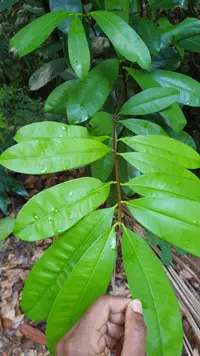
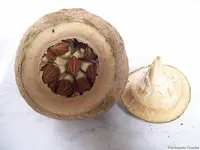
The butter tree, Pentadesma butyracea, is a tropical evergreen tree valued for its oily seeds, which yield a vegetable fat similar to shea butter. In nature it develops a tall, dense canopy with glossy, dark green leaves and yellowish flowers that mature into large, woody fruits.
It is native to the humid forests and riverbanks of West and Central Africa, where it grows in consistently warm, moist conditions. For anyone learning how to care for butter tree, its preference for stable warmth, high humidity, and deep, well-drained soil makes it better suited to experienced growers or specialized indoor and greenhouse setups.

Care Difficulty
Moderate Care

Light Preference
Partial Sun

Water Requirements
Regular Water

Temperature Preference
Tropical / Frost Sensitive

Hardiness Zone
11–12

Soil Texture
Loamy, Organic-rich

Soil pH
Acidic (5.5–6.5), Slightly acidic (6.5–7.0)

Soil Drainage
Moist but well-drained

Fertilization
Minimal (feed rarely)
Scan your plant to receive care tips personalized for your specific plant
Available on iOS and Android
Pentadesma butyracea prefers bright, warm conditions that mimic a humid tropical forest edge.
This species needs consistently moist but not waterlogged soil, especially during active growth.
This tropical tree thrives in stable warmth and is sensitive to cold and frost.
This species prefers moderately humid air but survives in typical indoor levels if not extremely dry.
This tree requires deep, well‑structured soil that drains freely yet holds consistent moisture.
This species can be grown in containers during its juvenile stage, especially in warm climates or protected patios.
Pentadesma butyracea benefits from modest fertilization when grown in managed landscapes or containers.
Pruning Pentadesma butyracea is mainly for structure, safety, and removal of damaged material.
This species is usually grown in the ground, so focus on careful transplanting rather than frequent repotting.
Pentadesma butyracea is most commonly propagated from seeds rather than vegetative methods.
As a tropical tree, Pentadesma butyracea is frost sensitive and needs protection in regions with cool winters.

Plant Health Check
Not sure what's wrong with your plant? Check your plant's health inside the app.
The seeds of this West African tree yield a hard, yellowish fat known as kpê or brassica butter, traditionally used as a cocoa butter substitute in chocolate and confectionery because of its similar melting profile.
This species is naturally restricted to humid gallery forests and riverine zones in West Africa, where it helps stabilize riverbanks and thrives in periodically flooded, alluvial soils.
Its cream to yellow, strongly scented flowers open mainly at night and are adapted for pollination by bats and large insects, which are attracted by both scent and abundant nectar.

Pentadesma butyracea can form almost pure stands along certain West African rivers, creating distinctive "butter tree" forests that have supported local fat and oil production for generations and are now considered important agroforestry resources for rural communities.
Growth is slow to moderate. Seedlings often take several years to form a sturdy young tree and 10–15 years to reach significant size or fruiting. Good moisture, deep soil, and warmth support growing butter tree successfully.
Keep your plants happy and healthy with plant identification, disease detection, and easy care guidance.