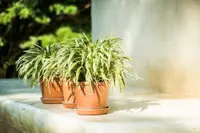
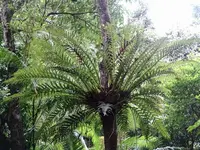
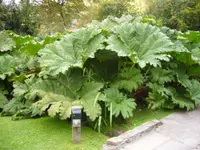
Bog-style container
For potted specimens, use a tall, cache-style outer pot without drainage and place the inner draining pot inside, then keep 2–5 cm of water in the outer pot to mimic the plant’s natural bog habitat without waterlogging the crown.

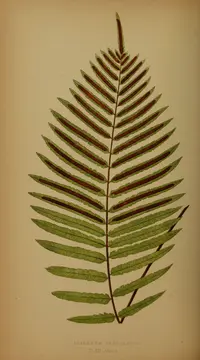
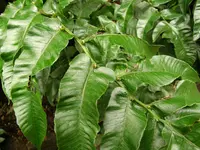
The toothed midsorus fern, Telmatoblechnum serrulatum, is a moisture-loving fern native to wetlands and swampy areas in the southeastern United States, the Caribbean, and parts of Central and South America. It forms upright clumps of long, narrow fronds with finely serrated edges that create a bold, architectural look.
This species thrives in consistently damp conditions and tolerates brief flooding, but it does not like to dry out. It prefers bright, filtered light and rich, organic, slightly acidic substrates. Indoors or in containers, understanding how to care for toothed midsorus fern mainly involves maintaining steady moisture and humidity while avoiding harsh, direct sun.

Care Difficulty
Moderate Care

Light Preference
Partial Shade

Water Requirements
Aquatic

Temperature Preference
Tropical / Frost Sensitive

Hardiness Zone
9–11

Soil Texture
Sandy, Loamy, Organic-rich

Soil pH
Acidic (5.5–6.5), Slightly acidic (6.5–7.0)

Soil Drainage
Waterlogged tolerant

Fertilization
Minimal (feed rarely)
Scan your plant to receive care tips personalized for your specific plant
Available on iOS and Android
Telmatoblechnum serrulatum thrives in bright, indirect light that mimics open, wet woodland or marsh edges.
This wetland fern prefers consistently moist conditions without prolonged drying or stagnant water.
This species prefers warm, frost-free conditions and reacts quickly to cold extremes.
This fern prefers consistently high humidity to mimic its swampy native habitats.
This species needs a consistently moist, organic-rich, yet aerated substrate similar to wet woodland or bog margins.
This fern can be grown in containers if the pot supports its moisture needs and spreading root system.
This wetland fern benefits from modest feeding when grown in containers or poor substrates.
Pruning focuses on keeping Telmatoblechnum serrulatum clean and maintaining healthy new fronds.
This fern is often grown in boggy beds or ponds, but container plants or young stock benefit from careful transplanting.
Telmatoblechnum serrulatum is commonly propagated by division, while spore raising is more technical.
In mild, frost-free climates this fern needs little winter attention, but colder regions require some protection.

Plant Health Check
Not sure what's wrong with your plant? Check your plant's health inside the app.
This species is naturally restricted to very wet habitats such as swamps, marl prairies, and the edges of shallow wetlands in Florida, the Caribbean, Central America, and parts of South America, where its rhizomes tolerate standing water for long periods.
It produces two distinct frond types: broad, sterile fronds that handle most of the photosynthesis and taller, narrower fertile fronds that bear the spores in continuous bands along the pinna midribs.
Populations often decline when wetlands are drained, polluted, or invaded by aggressive species, so its presence in good numbers can signal relatively intact, hydrologically stable marsh ecosystems.

In parts of southern Florida, dense stands of this fern can form nearly monospecific thickets that create a specialized microhabitat, offering shelter and foraging sites for small fish, amphibians, and invertebrates within shallow marsh waters.
This species spreads by creeping rhizomes and can form dense colonies in consistently moist ground. In suitable wetland conditions it may become locally dominant, so gardeners should allow space and use edging or barriers if spread is a concern.
Keep your plants happy and healthy with plant identification, disease detection, and easy care guidance.