Fuji Cherry Care (Prunus incisa)

Fuji Cherry

About Fuji Cherry

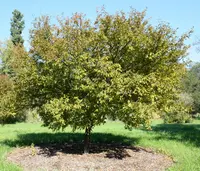
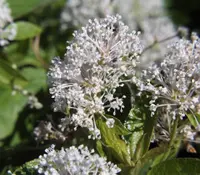
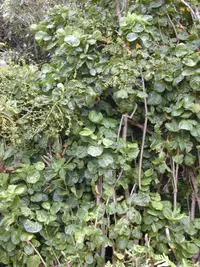
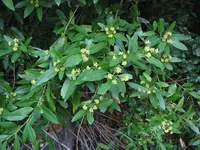
Fuji cherry, Prunus incisa, is a compact deciduous flowering tree valued for its early spring blossoms and neat, rounded shape. It suits small gardens, courtyards, and trained forms. The plant naturally occurs in Japan, often on mountain slopes, where it experiences cool winters and mild, bright conditions. Its fine-toothed leaves and showy white to pale pink flowers create strong seasonal interest. This species is generally reliable and moderate in vigor, which helps beginners understand how to care for Fuji Cherry without complex pruning. It prefers full sun, moderately moist but well-drained soil, and benefits from shelter from harsh, drying winds.


Main Plant Requirements

Care Difficulty

Moderate Care

Light Preference

Full Sun

Water Requirements

Moderate Water

Temperature Preference

Cold Hardy

Hardiness Zone

5–8

Soil Texture

Sandy, Loamy, Clay

Soil pH

Acidic (5.5–6.5), Slightly acidic (6.5–7.0)

Soil Drainage

Moist but well-drained

Fertilization

Minimal (feed rarely)

Get Personalized Care Plan

Scan your plant to receive care tips personalized for your specific plant

Available on iOS and Android

How to Care for the Fuji Cherry

This small cherry thrives in bright outdoor positions with several hours of direct sun daily.

  • Provide 6–8 hours of sun, ideally full morning sun with light afternoon shade to protect delicate flowers and foliage.
  • Tolerates light partial shade, but dense shade reduces flowering and leads to elongated, weak shoots and sparse branching in Fuji Cherry.
  • In hotter regions, avoid harsh west-facing exposure; use dappled shade or nearby taller plants to filter strong summer afternoon sun and reduce leaf scorch risk.

This deciduous shrub prefers steady soil moisture without staying saturated.

  • Allow the top 3–5 cm of soil to dry slightly, then water deeply so moisture reaches the full root zone, especially during the first 2–3 years after planting.
  • In spring and summer, monitor after warm, dry spells; in autumn, gradually reduce watering, and in winter rely mostly on natural rainfall unless conditions are unusually dry.
  • Choose well-drained soil or a planting site that does not puddle; signs of overwatering include yellowing leaves and dieback, while crisp leaf edges and drooping new growth suggest underwatering in Prunus incisa.

This hardy flowering cherry performs best in temperate outdoor climates with cold winters and mild summers.

  • Active growth and flowering are strongest around 55–75°F (13–24°C), with cool springs supporting good bud development and stable blossom display.
  • Mature plants tolerate winter lows near 0°F (−18°C), and short drops slightly below this, but newly planted specimens benefit from mulch over the root zone for extra insulation.
  • In summer, trees cope with brief periods up to about 90°F (32°C) if soil moisture is maintained; prolonged higher heat can stress foliage, so reduce other stressors such as pruning or transplanting during hot spells.

Humidity is not a critical factor for this hardy, outdoor cherry shrub.

Prunus incisa prefers a loose, well-drained mineral soil that does not stay waterlogged.

  • Use a loamy or sandy-loam soil with moderate organic matter to support root development and stability.
  • Aim for slightly acidic to neutral pH, around 6.0–7.0, to optimize nutrient availability.
  • In heavy clay, improve structure and drainage by working in coarse sand, fine gravel, and well-rotted compost.
  • Avoid compacted or consistently wet sites, which promote root rot and reduce soil aeration.

This shrub is suitable for container growing, especially dwarf or compact forms.

  • Select a deep, wide, heavy pot to provide root volume and prevent the plant from tipping in wind.
  • Use a gritty mix such as loam with bark fines and coarse sand to keep drainage fast yet moisture-retentive.
  • Raise the container on pot feet so excess water clears quickly and roots are not exposed to standing moisture.

Prunus incisa benefits from modest feeding during the active growing season, especially in containers or poor soils.

  • Apply a balanced slow-release fertilizer (around 10-10-10) once in early spring as new growth starts.
  • In richer garden soil, use a light layer of compost around the root zone instead of frequent granular feeding.
  • For container-grown Fuji Cherry, use a half-strength balanced liquid feed every 4–6 weeks from spring to mid-summer.
  • Stop feeding by late summer and do not fertilize in fall or winter to avoid soft, frost-tender growth.

Prunus incisa responds well to light, timed pruning that maintains a natural, flowering shape.

  • Carry out main pruning just after flowering in spring so the next year’s flower buds are not removed.
  • Use clean, sharp bypass pruners to cut out dead, diseased, or crossing branches back to healthy wood.
  • Thin congested interior shoots to improve airflow and light penetration, reducing disease risk.
  • Shorten overly long shoots selectively to define shape without heavy canopy removal.

This cherry is usually grown in the ground, so transplanting young trees correctly matters more than frequent repotting.

  • Transplant in late fall or early spring while the plant is dormant to reduce stress.
  • Move plants that show poor vigor, girdling roots, or are clearly outgrowing a nursery container.
  • Dig a wide planting hole, loosen circling roots gently, and set the root flare level with the soil surface.
  • Water deeply after planting, mulch 5–8 cm thick, and keep soil evenly moist until new growth is established.

Prunus incisa is usually propagated by nurseries, but home gardeners can attempt vegetative or seed methods with care.

  • Take semi-ripe cuttings in mid to late summer, using 10–15 cm non-flowering shoots with a heel of older wood.
  • Dip bases in rooting hormone and place in a free-draining medium under high humidity and bright, indirect light.
  • Sow fresh seeds in autumn outdoors or use cold stratification at 35–40°F for 2–3 months before spring sowing.
  • Layer low, flexible branches in spring by wounding and pegging them into moist soil until roots form.

This species is generally cold hardy in much of the US and needs only modest winter care in the ground.

  • Tolerates frost once established, but young trees benefit from extra protection in the first 1–2 winters.
  • Apply 5–8 cm of organic mulch around the root zone, keeping it clear of the trunk, to buffer freeze–thaw cycles.
  • Wrap trunks of young trees in colder regions with breathable tree guards to reduce bark cracking and animal damage.
  • Move container-grown plants to a sheltered, unheated but frost-sheltered spot and insulate pots if prolonged freezes are expected.

Care Tips

Spring root inspection

Every 2–3 years in late winter or very early spring, gently lift or partially excavate around the root zone to check for circling or girdling roots and cut or redirect them so the tree establishes a stable, wide-spreading root system.

Flower bud protection

In climates with late frosts, drape a breathable frost cloth or lightweight sheet over the canopy on forecast nights below 28–30°F to protect flower buds and preserve spring bloom.

Summer canopy thinning

Right after flowering, selectively thin congested interior twigs rather than just shortening branch tips to improve air circulation, reduce fungal issues, and maintain a balanced, open framework.

Trunk and graft care

For grafted plants, keep the graft union slightly above soil level, brush away mulch from direct contact with the trunk, and periodically check for and remove any vigorous shoots emerging from below the graft.

Targeted pest monitoring

From bud break through early summer, inspect the undersides of leaves and young shoots every 1–2 weeks with a hand lens so you can spot aphids, scale, or spider mites early and apply a focused treatment instead of broad, repeated sprays when caring for Fuji Cherry.

Common Pests and Diseases

Cherry leaf spot

This disease causes small purple spots on leaves that expand, turn brown, and often lead to premature leaf drop, especially in wet spring weather.

Solution

Collect and destroy fallen leaves to remove the main source of spores, and avoid overhead watering during cool, wet periods. For recurring problems, apply a labeled copper or chlorothalonil fungicide at bud break and repeat through wet weather, following local Prunus incisa care instructions and all product directions.

Brown rot blossom blight

This disease infects blossoms and young shoots, causing them to brown, wilt, and cling to the branches, and can later rot ripening fruit on ornamental selections that set cherries.

Solution

Prune out and dispose of all blighted blossoms, twigs, and mummified fruit, cutting back into healthy wood and disinfecting tools between cuts. Improve airflow by thinning dense branches, and in areas with a history of brown rot, use a labeled preventative fungicide at early blossom and full bloom during wet springs.

Aphids

These insects cluster on young shoots and leaf undersides, sucking sap, curling foliage, and producing sticky honeydew that can lead to sooty mold on twigs and leaves.

Solution

Spray colonies off with a firm stream of water, and encourage natural predators such as lady beetles by avoiding broad-spectrum insecticides. For persistent infestations, use insecticidal soap or a light horticultural oil, coating leaf undersides and tender shoots in the early morning or evening.

Cherry slug sawfly

This pest is the larval stage of a sawfly, appearing as small, slimy, dark green to black larvae that skeletonize leaves, leaving a lace-like appearance on the canopy.

Solution

Shake or knock larvae off branches onto a sheet and destroy them, or hose them off leaves so birds and ground predators can feed on them. If damage is heavy, apply a labeled horticultural oil or spinosad product to the foliage, targeting the youngest larvae and repeating as needed according to label directions.

Bacterial canker

This disease causes sunken, dark cankers on branches, gumming, dieback of twigs, and sometimes death of whole branches, often following stress from cold or pruning wounds.

Solution

Prune out affected branches in dry weather, cutting 15–20 cm below visible symptoms and disinfecting tools between cuts, then dispose of all infected material away from the tree. Reduce stress by avoiding heavy nitrogen fertilization, protecting against mechanical damage, and timing any major pruning for late winter to early spring when conditions are dry and mild.

Interesting Facts

Naturally dwarf cherry

Prunus incisa is one of the most naturally compact cherry species, with short internodes and fine twigging that make it suited to rock gardens and small spaces without heavy pruning.

Early spring bloomer

This species typically flowers very early in spring, often before many other ornamental cherries, providing one of the first nectar sources for pollinators emerging from winter dormancy.

Cold-hardy mountain origin

Native to mountainous regions of central and southern Honshu in Japan, it is adapted to cold winters and is notably more frost-tolerant than many other ornamental cherry species.

Botan icon

Did you know?

Prunus incisa has been extensively used in Japan and abroad as a parent in breeding compact ornamental cherries, such as the well-known Fuji cherry selections, because its genetics reliably pass on dwarf stature and profuse flowering.

FAQs about Fuji Cherry

Poor flowering is often due to immature age, heavy pruning at the wrong time, or stress from drought, waterlogging, or nutrient imbalance. Late frosts can also damage flower buds before they open, especially in colder regions.

Grow Healthy Plants with Botan Care

Keep your plants happy and healthy with plant identification, disease detection, and easy care guidance.

Botan plant care app — identify plants on mobile

Explore More Plants