Encourage Deep Roots
During the first 1–2 growing seasons, water less often but more deeply to train a deep root system that later allows the shrub to tolerate summer drought with minimal supplemental watering.

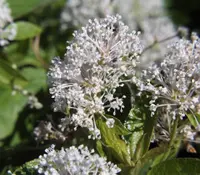
New Jersey tea (Ceanothus americanus) is a small, deciduous shrub native to eastern and central North America. It naturally grows in prairies, open woodlands, and dry, rocky slopes.
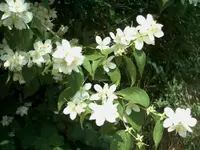
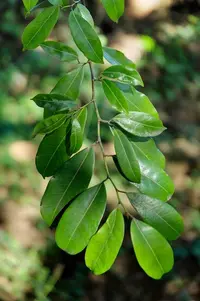
Plants stay compact with a rounded shape, bearing dark green, toothed leaves and dense clusters of small white flowers in early to mid-summer. These nectar-rich blooms attract bees, butterflies, and other pollinators.
This species is adapted to poor, well-drained soils and has a deep root system that provides good drought tolerance once established. Full sun and low to moderate moisture suit it best, which makes it relatively easy to care for New Jersey tea in suitable outdoor conditions.

Care Difficulty
Easy Care

Light Preference
Full Sun

Water Requirements
Low Water

Temperature Preference
Cold Hardy

Hardiness Zone
4–8

Soil Texture
Sandy, Loamy, Rocky

Soil pH
Acidic (5.5–6.5), Slightly acidic (6.5–7.0)

Soil Drainage
Well-drained

Fertilization
Minimal (feed rarely)
Scan your plant to receive care tips personalized for your specific plant
Available on iOS and Android
Ceanothus americanus thrives in bright outdoor conditions with plenty of direct sun.
Ceanothus americanus prefers dry to moderately moist soil and is drought tolerant once established.
This species is a cold-hardy shrub that tolerates a wide outdoor temperature range.
Humidity has little impact on Ceanothus americanus, which is well adapted to typical outdoor air in temperate regions.
Ceanothus americanus prefers lean, well-drained soil that does not stay wet after rain.
This species can be grown in containers, but long-term performance is better in the ground.
This drought-tolerant shrub needs minimal feeding, especially in reasonably fertile garden soil.
Thoughtful pruning keeps Ceanothus americanus dense, healthy, and flowering well.
This native shrub is usually grown in the ground, so transplanting is more common than repotting.
New plants are most often raised from seed, with stem cuttings used when more controlled propagation is needed.
This shrub is cold hardy across much of its native range and usually needs little special winter care in the ground.

Plant Health Check
Not sure what's wrong with your plant? Check your plant's health inside the app.
This species forms nodules on its roots with symbiotic actinobacteria in the genus Frankia, allowing it to fix atmospheric nitrogen and thrive on poor, dry soils where many other shrubs struggle.
During the American Revolutionary War, its dried leaves were commonly used as a caffeine-free tea substitute, which led to the widely used common name New Jersey tea.
Its dense clusters of small white flowers produce abundant nectar and pollen that attract a wide range of native bees, wasps, flies, and butterflies, making it an important shrub in pollinator-supporting plantings and guides to Ceanothus americanus care.

The deep and wide-spreading root system of this shrub allows it to resprout after fire and helps stabilize dry, erodible slopes, which makes it a characteristic component of oak savannas and prairie edges in much of its native range.
Poor flowering often comes from too much shade, excessive nitrogen fertilizer, or heavy pruning at the wrong time. Ensure strong sun, avoid high-nitrogen lawn runoff, and prune lightly just after flowering so next year’s buds are not removed.
Keep your plants happy and healthy with plant identification, disease detection, and easy care guidance.