lilac fuchsia Care (Fuchsia arborescens)

lilac fuchsia

About lilac fuchsia

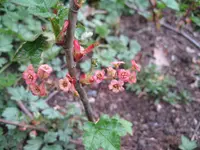
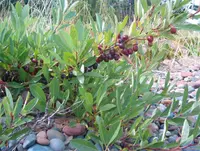
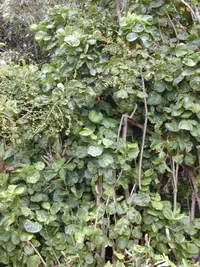
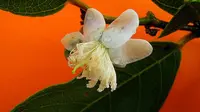
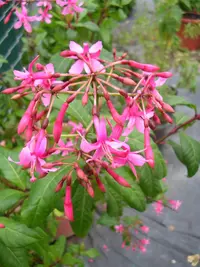
Lilac fuchsia, Fuchsia arborescens, is an upright, shrubby fuchsia known for its clusters of small lilac to pink tubular flowers and decorative dark berries. It usually forms a multi-stemmed shrub with fine, medium-green leaves, giving a light, airy appearance in the garden or in large containers.

This species is native to cloud forests of Mexico and Central America, where it grows in cool, moist, partially shaded habitats. It is considered moderately easy to grow if conditions are stable, but sensitive to heat, drought, and strong sun.

Rich, well-drained soil, regular moisture, and bright filtered light support healthy growth and make it easier to care for lilac fuchsia.

Main Plant Requirements

Care Difficulty

Moderate Care

Light Preference

Partial Shade

Water Requirements

Regular Water

Temperature Preference

Cool Climate

Hardiness Zone

8–10

Soil Texture

Loamy, Silty, Organic-rich

Soil pH

Acidic (5.5–6.5), Slightly acidic (6.5–7.0)

Soil Drainage

Moist but well-drained

Fertilization

Light (every 4–6 weeks)

Get Personalized Care Plan

Scan your plant to receive care tips personalized for your specific plant

Available on iOS and Android

How to Care for the lilac fuchsia

This shrub prefers bright, gentle light that mimics a forest edge or light woodland shade.

  • Provide 3–5 hours of morning sun with dappled or bright indirect light the rest of the day; avoid harsh sun from 1–4 p.m.
  • Tolerates partial shade very well; lilac fuchsia flowers best where it receives filtered light under taller shrubs or trees.
  • In hot summers, increase shade to prevent leaf scorch and wilting; in cooler, cloudy seasons, allow more direct morning sun to support bud formation.

Watering should keep the root zone evenly moist but never saturated.

  • Before watering, check the top 3–5 cm of soil; water thoroughly only when this layer feels dry but the soil beneath is still slightly damp.
  • In active growth and flowering, Fuchsia arborescens may need more frequent deep watering, while in cooler months allow the soil to dry a little more between waterings.
  • Watch leaves for guidance: limp, soft, yellowing foliage suggests overwatering, while crisp edges and drooping, dry-feeling leaves indicate underwatering or very fast drainage.

This species grows best in mild, frost-free conditions with cool nights and moderate days.

  • Ideal growth occurs around 60–75°F (16–24°C), with slightly cooler nights supporting strong flowering and healthy foliage.
  • Protect the plant from frost; sustained temperatures below 32°F (0°C) can kill top growth, and anything under 25°F (-4°C) risks root damage outdoors.
  • In hot weather above 85°F (29°C), give extra shade and airflow, as prolonged heat and warm nights can reduce flowering and stress the plant.

This species prefers moderately high humidity but adapts if extremes are avoided.

  • Aim for 50–70% humidity to keep foliage lush and reduce bud drop in lilac fuchsia.
  • In prolonged dry air below 40%, watch for crisp leaf edges, wilting tips, and stalled flower development.
  • Increase humidity with grouped plants, a pebble tray under the pot, or brief morning misting while maintaining strong air movement to prevent fungal issues.

Fuchsia arborescens performs best in loose, moisture-retentive but sharply draining soil.

  • Use a mix of roughly 50% peat or coir-based potting medium, 30% compost, and 20% perlite or fine bark for structure and air spaces.
  • Aim for slightly acidic to neutral pH, around 6.0–7.0, which supports nutrient uptake and healthy root growth.
  • Improve drainage and aeration by increasing perlite or fine bark if water lingers on the surface or the pot feels heavy long after watering.
  • Avoid heavy clay, compacted mixes, and containers that stay waterlogged, as these conditions favor root rot and reduced flowering.

This species suits container growing when the pot supports its woody, upright form and moisture needs.

  • Choose a deep, broad container that allows a woody root system to spread without circling tightly, which keeps growth steadier and flowering more reliable.
  • Select a slightly heavier material, such as ceramic or thick plastic, to stabilize the tall branching canopy against wind or accidental knocks.
  • Ensure large, unobstructed drainage holes so excess water exits quickly, preventing the lower root zone from remaining saturated after thorough watering.

Fuchsia arborescens responds well to moderate, consistent nutrition during the active growing season.

  • Use a balanced liquid fertilizer (for example 10-10-10 or 20-20-20) at 1/2 strength every 2–4 weeks from spring to early fall.
  • Alternatively, apply a thin layer of compost or a slow-release granular feed at the start of the growing season.
  • Pause or reduce feeding to once every 6–8 weeks in winter when growth slows.
  • Ensure soil is moist before applying fertilizer to lilac fuchsia to reduce root burn risk.

Pruning helps maintain shape and flowering performance in Fuchsia arborescens.

  • Carry out main pruning in late winter or very early spring before vigorous new growth starts.
  • Remove dead, damaged, or crossing stems back to healthy wood using clean, sharp hand pruners.
  • Thin congested interior stems to improve light penetration and air flow, encouraging more flowering shoots.
  • Shorten overly long stems to shape the plant and keep it within the desired size.

Container-grown plants and young shrubs benefit from careful repotting or transplanting to sustain healthy growth.

  • Assess the root system; circling roots, crowded drainage holes, or slow growth indicate a need to move Fuchsia arborescens.
  • Plan major moves for early spring or early fall, avoiding extreme heat or freezing conditions.
  • Repot or transplant every 2–3 years into a slightly larger pot or planting hole with well-drained, humus-rich soil.
  • Water thoroughly after moving, keep the plant shaded for a few days, and avoid heavy pruning at the same time to limit stress.

Fuchsia arborescens is most commonly propagated from softwood or semi-ripe stem cuttings.

  • Take 7–10 cm non-flowering cuttings in late spring or summer from healthy, vigorous shoots.
  • Remove lower leaves, optionally dip the cut end in rooting hormone, and insert into a moist, free-draining mix of peat-free compost and perlite.
  • Maintain high humidity and bright, indirect light at 65–75°F until roots form, usually in several weeks.
  • Seeds can also be sown in warm conditions, though seedlings vary and take longer to reach flowering size.

This species prefers mild winters and benefits from some protection in colder regions.

  • In areas below about 25°F, grow Fuchsia arborescens in containers that can be moved into a cool, frost-free space.
  • Mulch the root zone with 5–8 cm of organic material in late fall to buffer soil temperature fluctuations.
  • In marginal climates, wrap the lower stems with breathable horticultural fleece during hard freezes.

Care Tips

Support Young Stems

Install a slim stake or small trellis when the plant is still under 40–50 cm tall so you can loosely tie the main stems upright and prevent wind or branch breakage as the shrub matures.

Encourage Bushy Shape

Pinch out just the soft, growing tips of new shoots in late spring to early summer to promote branching and a denser canopy without removing flower clusters.

Flowering Flush Management

After a major flush of blooms, remove spent flower clusters and any developing berries so the plant diverts energy into new growth and repeat flowering rather than seed production.

Cool-Season Light Shift

If grown in a container, move the plant to a brighter but still protected spot in fall and winter so it maintains compact growth and does not stretch in response to lower seasonal light levels.

Prevent Mite Infestations

During warm, dry spells, regularly inspect the undersides of leaves for fine webbing and, if seen, rinse foliage with a firm but gentle spray of water every few days to deter spider mites, which are a common issue when caring for lilac fuchsia.

Common Pests and Diseases

Fuchsia gall mite

This pest deforms young shoots, leaves, and flower buds, causing swollen, warty, or distorted growth that may fail to open properly. Symptoms include thickened, reddish or pale tissue at shoot tips and reduced flowering.

Solution

Prune out and discard all distorted shoot tips as soon as damage is seen, and avoid moving infested material between plants. For ongoing Fuchsia arborescens plant care outdoors, keep plants slightly isolated, monitor new growth weekly, and if needed use a targeted miticide or sulfur-based spray according to label directions while encouraging new, healthy regrowth.

Whitefly

These insects feed on leaf sap, leading to yellowing foliage, sticky honeydew, and sometimes black sooty mold on leaves. This pest is often seen flying up in small clouds when the plant is disturbed, especially in warm, sheltered conditions.

Solution

Hang yellow sticky traps near the plant to monitor and reduce adult numbers, and regularly hose down foliage to remove nymphs from leaf undersides. For heavier infestations, use insecticidal soap or a horticultural oil spray, repeating every 5–7 days until new growth appears clean and population levels drop.

Botrytis blight

This disease causes soft, brown patches on flowers, buds, and young stems that may develop grey fuzzy mold in humid, cool conditions. Symptoms include buds that fail to open and petals that brown and collapse prematurely.

Solution

Remove and discard all affected flowers, buds, and stem sections promptly, and avoid overhead watering to keep foliage and blossoms as dry as possible. Improve airflow around the plant, reduce crowding, and if conditions stay damp consider using a fungicide labeled for Botrytis on ornamentals, focusing on buds and dense canopy areas.

Rust

This disease produces pale spots on upper leaf surfaces and orange to brown pustules on the undersides, which release powdery spores. Symptoms include premature leaf drop and general thinning of the canopy on stressed plants.

Solution

Remove and destroy heavily infected leaves to reduce spore spread, and water at soil level instead of over the foliage. Increase spacing and airflow, avoid overhead irrigation late in the day, and if infection continues apply a rust-effective fungicide in rotation according to label directions until clean new leaves develop.

Aphids

These insects cluster on tender shoots and flower stalks, sucking sap and causing curling or distorted young growth, reduced vigor, and sticky honeydew. This pest can also attract ants and promote sooty mold on leaves and stems.

Solution

Spray stems and the undersides of leaves with a strong stream of water to dislodge colonies, repeating every few days during peak activity. For persistent infestations, use insecticidal soap or a light horticultural oil, ensuring thorough coverage of soft new growth, and encourage natural predators such as lady beetles when growing plants outdoors.

Interesting Facts

Tree-form fuchsia

This species naturally forms a tall, sparsely branched shrub or small tree up to several meters high in its native Mexican cloud forests, unlike the more compact, pendulous ornamental fuchsias commonly grown in gardens.

Bee and hummingbird partner

Its tubular purple-pink flowers are adapted for pollination by both bees and hummingbirds in its native range, combining nectar-rich blooms with accessible anthers that dust visiting animals with pollen.

Edible dark berries

After flowering, it produces small, dark purple to nearly black berries that are technically edible and have been described as mildly sweet, although they are not widely used as a food crop.

Botan icon

Did you know?

This species is native to mid- to high-elevation cloud forests in central and southern Mexico, where it often grows along moist forest edges and clearings, making it one of the few naturally tree-like fuchsias adapted to cool, humid, montane habitats.

FAQs about lilac fuchsia

Poor flowering often comes from low light, nutrient imbalance, or skipped pruning. Remove old seed pods, trim lightly after a flush of blooms, and feed with a balanced, low-nitrogen fertilizer to support repeat flowering.

Grow Healthy Plants with Botan Care

Keep your plants happy and healthy with plant identification, disease detection, and easy care guidance.


Botan plant care app — identify plants on mobile

Explore More Plants