Pinch For Bushiness
Pinch out soft shoot tips every 2–3 weeks during active growth to keep plants compact, encourage dense branching, and increase the number of flowering spikes.

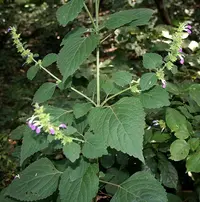
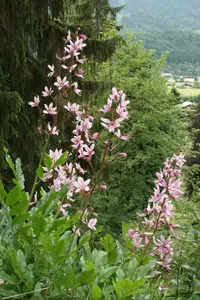
Indian catmint, Anisomeles indica, is a fragrant, shrubby herb in the mint family, often grown for its aromatic foliage and soft, spiky flower clusters. It typically forms loose, branching clumps with slightly hairy, toothed leaves and purple to lavender blooms that attract bees and butterflies.
This species is native to tropical and subtropical Asia but is now grown in warm, frost-free regions as an ornamental and traditional medicinal herb. It is generally considered easy to care for Indian catmint, as it tolerates heat, moderate dryness, and poor to average soils, provided drainage is good.
In cultivation it grows best in bright light, from full sun to light shade, and benefits from reasonably consistent moisture without waterlogging.

Care Difficulty
Easy Care

Light Preference
Full Sun

Water Requirements
Moderate Water

Temperature Preference
Tropical / Frost Sensitive

Hardiness Zone
9–11

Soil Texture
Sandy, Loamy, Organic-rich

Soil pH
Acidic (5.5–6.5), Slightly acidic (6.5–7.0)

Soil Drainage
Well-drained

Fertilization
Minimal (feed rarely)
Scan your plant to receive care tips personalized for your specific plant
Available on iOS and Android
This sun-loving herb thrives in bright outdoor conditions with protection from harsh extremes.
This species prefers moderately moist, well-drained soil that dries slightly between waterings.
This plant grows best in warm, frost-free conditions with moderate seasonal variation.
This species handles a wide humidity range and rarely needs special humidity management.
This plant prefers light, well-drained soil that dries moderately fast between waterings.
This species is suitable for container growing in warm climates.
Anisomeles indica benefits from modest feeding during its active growing season in spring and summer.
Pruning Anisomeles indica maintains a compact shape and encourages fresh flowering growth.
This species is usually grown in-ground, but container Anisomeles indica or young plants appreciate occasional transplanting.
Anisomeles indica is commonly propagated from softwood cuttings and seeds for consistent new plants.
In mild climates, Anisomeles indica needs only light winter care, but it is sensitive to hard frost.

Plant Health Check
Not sure what's wrong with your plant? Check your plant's health inside the app.
This species produces tubular purple flowers with abundant nectar that strongly attracts honey bees and native solitary bees, making it a valuable resource for pollinators in late-season flowering periods in tropical and subtropical Asia.
Its leaves contain aromatic essential oils that give a strong mint-like scent when crushed, and these volatile compounds help deter some herbivorous insects while also attracting certain pollinating insects.
The plant often establishes itself along roadsides, field margins, and other disturbed sites in South and Southeast Asia, where its fast growth and prolific seeding help it quickly exploit open, sunny ground.

Molecular and morphological studies place this species within the mint family (Lamiaceae), and like many relatives it has a square stem in cross-section, a structural feature linked to the arrangement of its supporting tissues and vascular bundles.
Poor flowering usually comes from insufficient light, heavy feeding with high-nitrogen fertilizer, or old, woody stems. Trim lightly after each flush, avoid strong nitrogen, and ensure at least a bright, open exposure for reliable blooms.
Keep your plants happy and healthy with plant identification, disease detection, and easy care guidance.