Burning Bush Care (Dictamnus albus)

Also known as: gasplant, white dittany
Burning Bush

About Burning Bush

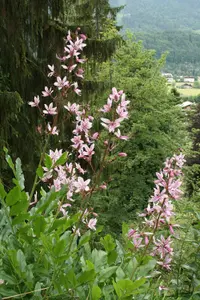
Burning bush, Dictamnus albus, is a long-lived herbaceous perennial known for its upright stems, aromatic foliage, and showy white to pale pink flowers in early summer. It forms clumps over time and develops distinctive seed pods that add structure later in the season.

This species is native to dry, open habitats in southern Europe and parts of Asia, so it adapts well to sunny, well-drained garden sites. Growth is slow to establish, but a mature plant is durable and needs little disturbance, which influences how to care for Burning Bush.

It generally prefers full sun, moderate moisture, and neutral to slightly alkaline soil, and it resents frequent transplanting or division once settled.

Main Plant Requirements

Care Difficulty

Moderate Care

Light Preference

Full Sun

Water Requirements

Moderate Water

Temperature Preference

Cold Hardy

Hardiness Zone

3–7

Soil Texture

Sandy, Loamy, Rocky

Soil pH

Slightly acidic (6.5–7.0), Neutral (7.0)

Soil Drainage

Well-drained

Fertilization

Minimal (feed rarely)

Get Personalized Care Plan

Scan your plant to receive care tips personalized for your specific plant

Available on iOS and Android

How to Care for the Burning Bush

Dictamnus albus needs bright, open conditions to flower and stay compact.

  • Provide full sun for 6–8 hours daily; in hotter regions, aim for morning sun with light afternoon shade to reduce leaf scorch.
  • Plant in a site with unobstructed exposure; Burning Bush tolerates light partial shade but may produce fewer flowers and less vigorous growth.
  • Avoid deep shade, which leads to weak, floppy stems; in summer, ensure surrounding plants do not overgrow and block light.

Dictamnus albus prefers evenly moist but not saturated soil once established.

  • Allow the top 3–5 cm of soil to dry between waterings; check by inserting a finger to feel moisture before adding water.
  • Use deep, infrequent watering so moisture penetrates 15–20 cm, encouraging a deep root system in well-drained soil.
  • Reduce watering in cool or rainy seasons; watch for yellowing, soft stems as a sign of overwatering and crispy, wilting foliage as a sign of underwatering.

This perennial is cold hardy and handles a wide outdoor temperature range when established.

  • Ideal growing temperatures are 60–75°F (16–24°C) during the active season, with cool nights supporting sturdy growth.
  • Dormant roots tolerate winter down to about -20°F (-29°C) in well-drained soil, provided freeze–thaw cycles are not extreme.
  • Mature plants handle summer heat up to about 90°F (32°C) if soil is not waterlogged; prolonged extreme heat or hot, dry winds can stress foliage.

This species tolerates a wide humidity range and usually does not need special humidity management outdoors.

Dictamnus albus prefers lean, well-drained mineral soils that never stay waterlogged.

  • Use a sandy or gravelly loam with modest organic matter, aiming for a loose structure that does not compact.
  • Ensure very sharp drainage by incorporating coarse sand or fine gravel at 30–50% of the mix volume.
  • Target slightly alkaline to neutral pH (about 7.0–8.0); add garden lime if soil is noticeably acidic.
  • Avoid heavy clay, peat-heavy mixes, or sites where snowmelt and rain collect, which greatly increase root-rot risk.

This species is generally not ideal for container growing due to its deep, long-lived root system and dislike of disturbance.

Dictamnus albus is a long-lived perennial that needs only modest feeding in average garden soil.

  • Apply a light layer of compost or well-rotted manure around the clump in early spring, avoiding direct contact with stems.
  • If growth is weak, use a balanced slow-release fertilizer (around 10-10-10) once in spring at label rate.
  • In containers, feed with a half-strength balanced liquid fertilizer every 4–6 weeks during active growth.
  • Do not feed in fall or winter; allowing natural dormancy supports long-term Burning Bush vigor.

Dictamnus albus benefits from minimal, well-timed pruning to keep the clump tidy and flowering well.

  • Cut back spent flower stalks after bloom to reduce self-seeding and maintain a neat appearance.
  • Remove dead, damaged, or diseased stems in late fall or very early spring using clean, sharp pruners.
  • Avoid hard cutting into old woody crowns, as this species resents disturbance and may respond poorly.
  • Light thinning of crowded stems after flowering can improve air flow and reduce fungal issues.

This deep-rooted perennial dislikes disturbance, so transplant Dictamnus albus only when clearly necessary.

  • Transplant in early spring or early fall when temperatures are mild and soil is workable.
  • Look for signs such as slow growth, reduced flowering, or a pot-bound taproot circling the container.
  • When moving, keep as much of the root ball intact as possible and avoid breaking the taproot.
  • Replant at the same depth in a well-drained site, water thoroughly, then keep soil evenly moist until re-established.

Propagation of Dictamnus albus is possible but slow and often challenging for beginners.

  • Sow fresh seeds in fall outdoors or in a cold frame, as they need natural cold stratification to germinate.
  • Use deep pots with very well-drained mix, and expect germination to take many months.
  • Division is rarely recommended because the plant has a brittle, deep taproot and responds poorly to disturbance.
  • If attempting division, do so in early spring, lifting a small section with minimal root damage and replanting immediately.

This species is cold hardy in much of the US and usually needs only basic winter care.

  • After frost blackens foliage, allow stems to die back, then cut them close to ground level.
  • Apply a light mulch layer (2–5 cm) over the root zone in late fall in colder regions.
  • For container plants in cold climates, move pots to a sheltered, unheated but frost-moderated spot.

Care Tips

Handle Foliage Carefully

Avoid brushing against or handling the plant on hot, still days, as the volatile oils can irritate skin; wear gloves and long sleeves when cutting stems or doing other work nearby.

Plan Fixed Placement

Choose the planting spot carefully because mature plants resent disturbance; avoid dividing or transplanting once established, and only replant very young specimens if absolutely necessary.

Support Flower Stems

In windy or exposed sites, use low, unobtrusive ring supports or short stakes in early spring so the tall flowering stems stay upright and do not snap at the base.

Control Self-Seeding

If you want to limit self-sown seedlings, deadhead the spent flower spikes before the seed capsules dry and split; leave a few seed heads only where naturalizing is desired when growing Burning Bush.

Winter Crown Protection

In colder climates with freeze–thaw cycles, apply a light, airy mulch layer around but not directly on top of the crown in late fall to reduce heaving of roots without keeping the soil wet.

Common Pests and Diseases

Leaf spot

This disease causes small, dark brown to black spots on leaves, often with a yellow halo, and can lead to premature leaf drop in wet summers.

Solution

Remove and discard affected leaves, avoid overhead watering, and keep the plant well spaced for good airflow; in regions with frequent wet weather, a copper-based fungicide can be used preventively in early spring according to label directions.

Powdery mildew

This disease produces a white, powdery coating on upper leaf surfaces, which may cause distorted growth and reduced vigor in humid but not overly wet conditions.

Solution

Thin surrounding vegetation to improve air circulation, water at soil level in the morning, remove heavily affected leaves, and if needed apply a labeled sulfur or potassium bicarbonate fungicide at the first signs of infection as part of Dictamnus albus care.

Aphids

These insects cluster on young stems and buds, sucking plant sap and causing curling, distortion, and sticky honeydew on foliage.

Solution

Spray colonies off with a strong stream of water, pinch off heavily infested growing tips, encourage natural predators such as lady beetles, and if populations stay high, use insecticidal soap or a light horticultural oil, making sure to coat the undersides of leaves.

Spider mites

These pests create fine webbing on leaves and stems, causing stippled, dull foliage that can turn bronze during hot, dry weather.

Solution

Increase humidity around the plant by occasional overhead rinsing, hose down foliage to remove mites, and if needed apply horticultural oil or insecticidal soap, repeating treatments as directed and focusing on the undersides of leaves.

Crown rot (Phytophthora)

This disease leads to wilting and collapse of stems from the base, with brown, water-soaked tissue at the crown, especially in poorly drained, heavy soils.

Solution

Dig out and discard affected plants including surrounding soil, improve drainage by raising the planting area or amending soil with grit, avoid overwatering and waterlogging, and replant only in well-drained sites that do not stay saturated after rain.

Interesting Facts

Volatile oil vapors

The flowers and seed pods release aromatic volatile oils that can form a faintly flammable vapor layer around the plant in hot, still weather, which is why it is sometimes called the gas plant, although the flame effect is not reliably observed in all conditions.

Long-lived perennial shrub

This species forms a deep, woody root system and often lives for decades in the same spot, but it establishes slowly and does not respond well to transplanting once mature.

Phototoxic leaf sap

The sap contains furanocoumarins, a group of compounds that can cause phytophotodermatitis, where skin exposed to the sap becomes inflamed or blistered after contact with sunlight.

Botan icon

Did you know?

In parts of its native range in southern and central Europe, Dictamnus albus is considered regionally threatened or protected due to habitat loss, so wild populations are monitored and sometimes legally safeguarded.

FAQs about Burning Bush

Lack of flowers often comes from too much shade, immature age, or stress from recent division or transplanting. Late frosts can damage buds. Avoid heavy feeding with high‑nitrogen fertilizer, which encourages foliage instead of flowers.

Grow Healthy Plants with Botan Care

Keep your plants happy and healthy with plant identification, disease detection, and easy care guidance.


Botan plant care app — identify plants on mobile

Explore More Plants