


Sturdy structural staking
Install a solid stake or narrow wooden post at planting time and secure the main stem with soft ties so the heavy, flower-laden branches are supported and less likely to split in wind or after heavy rain.

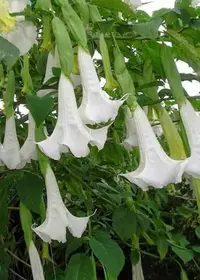
Angel's-tears, Brugmansia suaveolens, is a woody, fast-growing shrub or small tree known for its large, pendulous, trumpet-shaped flowers. The blooms are often strongly scented in the evening and can create a striking focal point in warm gardens or large containers.
This species originates from tropical regions of South America, where it grows in mild, frost-free conditions. In cultivation it prefers bright light, shelter from strong wind, and evenly moist, well-drained soil.
The plant can be rewarding but is not low-maintenance, as it needs regular pruning, feeding, and monitoring for pests to thrive. Gardeners who learn how to care for angel's-tears usually grow it successfully in mild or protected climates.

Care Difficulty
Moderate Care

Light Preference
Full Sun

Water Requirements
Regular Water

Temperature Preference
Tropical / Frost Sensitive

Hardiness Zone
9–11

Soil Texture
Loamy, Sandy, Organic-rich

Soil pH
Acidic (5.5–6.5), Slightly acidic (6.5–7.0)

Soil Drainage
Moist but well-drained

Fertilization
Heavy (weekly, diluted)
Scan your plant to receive care tips personalized for your specific plant
Available on iOS and Android
Brugmansia suaveolens needs bright, strong light to bloom heavily and stay compact.
This plant has high water demand but reacts poorly to waterlogged soil.
This species prefers warm, frost-free conditions for reliable growth and flowering.
This species prefers moderate air moisture and usually tolerates typical outdoor humidity.
This shrub grows best in deep, loose, moisture-retentive but well-drained soil.
This species is suitable for large containers where root space and stability are carefully managed.
Brugmansia suaveolens is a heavy feeder that benefits from consistent nutrition during its rapid growing and flowering season.
Thoughtful pruning helps Brugmansia suaveolens stay compact, safe, and floriferous by controlling size and encouraging new flowering wood.
Robust growth and a large root system mean this plant benefits from timely repotting or transplanting to maintain vigor.
New Brugmansia suaveolens plants are most commonly produced from stem cuttings, which clone the parent’s traits.
This tropical shrub is highly frost-sensitive and needs planned winter care in regions with cold winters.

Plant Health Check
Not sure what's wrong with your plant? Check your plant's health inside the app.
The flowers release their strongest fragrance in the evening and night, timed with peak activity of moth pollinators that are attracted from long distances by the sweet, heavy scent.
This species is believed to be extinct in the wild, existing today almost entirely as a cultivated ornamental shrub derived from ancient South American selections by Indigenous peoples.
All parts of the plant contain tropane alkaloids such as scopolamine and atropine, which affect the nervous system and make this species potentially lethal if ingested.

Genetic and historical evidence suggests that this species was domesticated from related wild Brugmansia or Datura relatives in the Andes, then spread widely through pre-Columbian trade routes, making it one of the earliest intentionally bred ornamental shrubs in South America.
Poor flowering usually comes from low light, excessive nitrogen fertilizer, or heavy pruning at the wrong time, which removes flower buds. Root restriction, cool temperatures, and lack of regular feeding during the growing season can also reduce blooms.
Keep your plants happy and healthy with plant identification, disease detection, and easy care guidance.

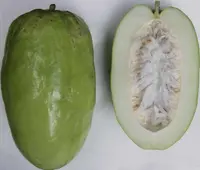
giant granadilla
Passiflora quadrangularis
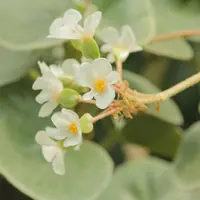
veined begonia
Begonia venosa
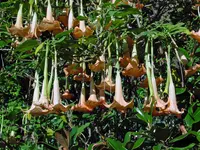
arborescent angel's-tears
Brugmansia versicolor
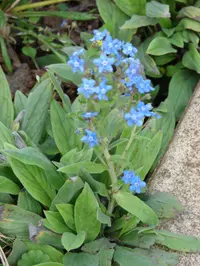
Chinese hound's tongue
Cynoglossum amabile
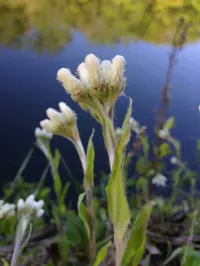
woman's tobacco
Antennaria plantaginifolia
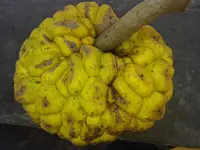
Giant Yellow Mulberry
Myrianthus arboreus
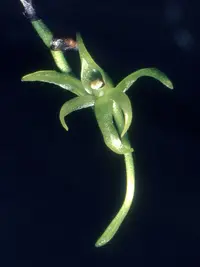
Angraecum calceolus
Angraecum calceolus
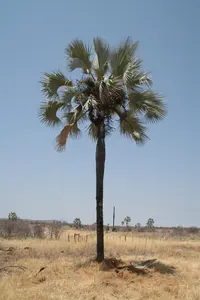
Northern Ilala Palm
Hyphaene petersiana