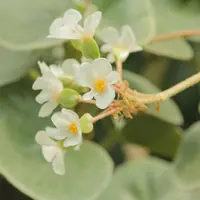
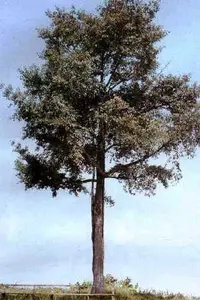
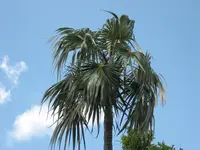
Northern Ilala Palm Care (Hyphaene petersiana)

Also known as: Makalani Palm, Real Fan Palm, Ivory Palm, Lala Palm, Dum Palm, Gingerbread Palm, Mokola Palm, Mokolwane Palm, Palmyra, Vegetable-Ivory Palm
Northern Ilala Palm

About Northern Ilala Palm

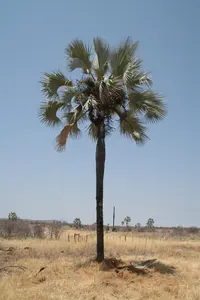
The northern ilala palm, Hyphaene petersiana, is a robust, multi-stemmed palm native to dry savannas and river valleys of southern Africa. It forms clusters of upright, branching trunks topped with stiff, fan-shaped leaves.

This species is slow-growing and long-lived, often developing a striking architectural silhouette over time. Its thick, fibrous trunks and tough leaves adapt it to hot, sunny, and drought-prone environments.

For those looking to care for Northern Ilala Palm, it suits bright, open sites, gritty or sandy soils, and low to moderate moisture, especially in warm climates or large, well-drained containers.

Main Plant Requirements

Care Difficulty

Moderate Care

Light Preference

Full Sun

Water Requirements

Low Water

Temperature Preference

Warm Climate

Hardiness Zone

10–12

Soil Texture

Sandy, Loamy, Rocky

Soil pH

Slightly acidic (6.5–7.0), Neutral (7.0)

Soil Drainage

Well-drained

Fertilization

Minimal (feed rarely)

Get Personalized Care Plan

Scan your plant to receive care tips personalized for your specific plant

Available on iOS and Android

How to Care for the Northern Ilala Palm

This sun-loving palm thrives in open, bright conditions typical of hot, dry regions.

  • Provide full sun for 8–10 hours per day; Northern Ilala Palm forms a stronger trunk and denser crown with unobstructed exposure.
  • Young plants tolerate light, filtered shade for part of the day, but prolonged shade causes slow growth, stretched leaves, and weak stems.
  • In very hot climates, brief late-afternoon shade reduces leaf scorch, while dry, dust-laden air is less harmful than deeply shaded, humid sites.

This drought-tolerant palm prefers deep, infrequent watering once established.

  • In the ground, allow the top 5–8 cm of soil to dry fully, then water deeply so moisture reaches the root zone, encouraging a strong taproot.
  • During the first 2–3 growing seasons, water when foliage starts to lose slight gloss or fronds feel less firm, then reduce frequency as Hyphaene petersiana matures.
  • Ensure sandy or rocky, fast-draining soil; yellowing, limp fronds and sour-smelling soil indicate overwatering, while crisp, browning tips signal prolonged dryness.

This species is adapted to hot, arid climates but has some tolerance for cooler conditions.

  • Optimal growth occurs around 77–95°F (25–35°C), matching warm, dry seasons with strong sunlight and low humidity.
  • Mature palms can survive brief drops near 25–28°F (-4 to -2°C), but tissue damage increases below freezing; protect young plants from any frost.
  • Heat tolerance is high up to about 105–110°F (40–43°C) if soil drainage is good; in cooler regions, choose the warmest, most sheltered microclimate for planting.

This palm tolerates a wide humidity range and usually does not need special adjustment in homes or dry outdoor air.

  • Target 30–60% humidity, which matches typical indoor and many outdoor conditions in warm regions.
  • Leaves may develop dry, browning tips under very hot, windy, and extremely arid air combined with underwatering.
  • In unusually dry, hot climates, shelter the Northern Ilala Palm from strong drying winds and maintain consistent soil moisture instead of misting.

Hyphaene petersiana prefers very well-drained, sandy soil that stays aerated and never waterlogged.

  • Use a gritty mix such as 50–70% coarse sand with the rest split between loam and a small amount of compost for nutrients.
  • Ensure fast drainage by mixing in mineral materials such as pumice or fine gravel, especially in heavy native ground.
  • Aim for slightly acidic to neutral pH around 6.0–7.5, avoiding strongly acidic or saline conditions that restrict root function.
  • Avoid dense clay, peat-heavy, or compacted substrates that hold water around the roots and encourage rot.

This species can be grown in containers when provided with deep, extremely free-draining conditions and strong stability.

  • Choose a tall, heavy pot that resists tipping as the palm develops a robust trunk and stiff fronds.
  • Use a coarse, sandy mix that drains so rapidly you must water thoroughly but infrequently, preventing chronic moisture around roots.
  • Raise the container on pot feet so gravity can pull water away from the base and prevent soggy zones near the drainage holes.

Hyphaene petersiana is adapted to nutrient-poor soils but responds moderately well to careful feeding in cultivation.

  • Use a balanced slow-release fertilizer (for example 10-10-10) or well-rotted compost mixed into the topsoil at the start of the warm growing season.
  • Feed young or container plants 1–2 times per growing season; mature in-ground specimens often need only light annual feeding.
  • Apply at half the label rate to avoid salt buildup and root burn, especially in pots with limited drainage.
  • Hold all fertilizer in late fall and winter, when growth slows and nutrient demand drops.

Pruning Hyphaene petersiana focuses on safety and tidiness rather than shaping the crown.

  • Carry out light pruning in late winter or early spring, before strong new growth begins.
  • Remove only dead, brown, broken, or severely damaged fronds at the base, using clean, sharp loppers or a pruning saw.
  • Avoid cutting green fronds, since these supply energy and over-removal can weaken the palm and distort its natural form.
  • Discard fallen fruiting structures if they create mess or attract pests around pathways or seating areas.

This palm is best established young, as older Hyphaene petersiana plants resent root disturbance.

  • Look for roots circling the container holes, reduced vigor, or quick drying soil as signs a young plant needs a larger pot or planting site.
  • Transplant in late spring to early summer, when soils are warm and post-move root growth is most active.
  • Expect container plants to need stepping up only every 2–3 years, shifting into a slightly wider, deep pot with very free-draining mix.
  • Water deeply before and after transplanting, keep the root ball intact, shade the plant for 1–2 weeks, and maintain even moisture to reduce stress.

Propagation of Hyphaene petersiana is done almost exclusively from seed and is slow but possible for patient growers.

  • Collect fresh, fully ripe seeds, clean off fruit pulp, and sow in late spring or early summer for warm, stable conditions.
  • Use a deep container with a very free-draining sandy mix, since the species develops a strong taproot.
  • Maintain temperatures around 75–85°F and keep the medium evenly moist, not waterlogged, throughout the long germination period.
  • Expect germination to take several months and thin or pot on seedlings carefully to avoid damaging the developing taproot.

This warm-climate palm has low frost tolerance and needs protection in most temperate regions.

  • In USDA zones cooler than 10, grow in large containers so plants can be moved indoors or to a heated greenhouse before frost.
  • Keep indoor or sheltered temperatures above 40–45°F and reduce watering, allowing the top layer of soil to dry slightly between waterings.
  • For in-ground specimens in marginal climates, apply a 5–10 cm mulch layer around the root zone, keeping it away from the trunk base.

Care Tips

Early root training

In the first 2–3 years, plant young specimens in deep, unobstructed ground or very deep containers to allow the taproot to develop straight, since later transplanting is difficult and often unsuccessful.

Wind hardening routine

Expose young plants gradually to stronger wind over several weeks, starting with sheltered locations and slowly moving them to more open sites, so the trunk and leaf bases thicken and resist storm damage.

Salt and alkalinity checks

Test irrigation water and soil periodically for salinity and high pH, and if levels are elevated, leach the soil heavily with low-salt water and avoid additional lime or high-salt fertilizers to prevent leaf tip burn and reduced growth.

Fire and debris management

In fire-prone or very dry areas, keep dry litter, dead fronds, and tall grass cleared from the base of the palm to lower the risk of heat damage to the growing point during grass fires.

Seasonal pest scouting

Inspect the crown and leaflet bases at the end of cool seasons and again in late summer for scale insects and borers, so that any infestation is found early and treated promptly as part of caring for Northern Ilala Palm.

Common Pests and Diseases

Rhynchophorus palm weevil

This pest bores deep into the crown and trunk, causing wilting, collapsed fronds, internal tunneling, and eventual crown death. Symptoms include oozing, foul-smelling sap and fronds that break or pull away easily near the base.

Solution

Remove and destroy heavily infested or collapsing palms to prevent spread, and regularly inspect the crown and trunk for fresh holes, chewed fibers, or fermenting sap. For valuable specimens, use systemic insecticides labeled for palm weevils as a preventative treatment and avoid trunk wounds that attract egg-laying adults.

Borassus palm borer

This pest is a large wood-boring beetle whose larvae tunnel through the leaf bases and upper stem, weakening the structure and predisposing the palm to breakage. Symptoms include frass (wood dust), hollowed petiole bases, and yellowing or drooping of affected fronds.

Solution

Cut out and destroy infested fronds and severely damaged offshoots, and burn or dispose of infested material off-site to break the life cycle. Monitor regularly for fresh frass and boreholes and, in high-risk areas, apply a suitable contact or systemic insecticide around petiole bases and the crown according to label directions.

Scale insects

These insects attach to leaf surfaces and petioles, sucking sap and causing yellow mottling, reduced vigor, and sticky honeydew that can encourage sooty mold growth. Symptoms include small, rounded or oval bumps that do not easily rub off.

Solution

Physically remove light infestations by wiping or gently scrubbing fronds with a soft brush and mild soapy water, then rinse well. For persistent scale on larger palms, use a horticultural oil or an appropriate systemic insecticide, applied during active growth and repeated as needed according to label instructions.

Leaf spot

This disease causes small brown, gray, or black lesions on the leaflets that may enlarge, coalesce, and lead to premature browning and shredding of fronds, especially in humid or crowded plantings. Symptoms include spotting that follows areas of poor air movement or persistent moisture on the foliage.

Solution

Remove and destroy affected fronds, especially older, heavily spotted leaves, and avoid overhead irrigation that keeps foliage wet for long periods. Improve spacing and airflow, water at the soil level, and apply a palm-safe fungicide if spotting progresses during warm, humid conditions.

Pink rot

This disease, caused by the fungus Nalanthamala vermoeseni, affects the crown, young spear leaves, and leaf bases, leading to soft, decayed tissue and distorted or rotting emerging fronds. Symptoms include brown, collapsed tissue at the base of leaf stalks and sometimes a pinkish fungal growth in very humid conditions.

Solution

Prune and discard all obviously infected tissue, sterilizing tools between cuts, and avoid injuring the crown or allowing water to stand there. Maintain the palm with adequate light, balanced nutrition, and good drainage, and in recurrent cases apply a registered systemic fungicide targeting crown and bud rots as part of broader Hyphaene petersiana care instructions.

Interesting Facts

Distinctive forked trunks

This species often develops a naturally branching trunk that forks several times, giving mature trees a candelabra-like form, which is unusual among palms that typically keep a single stem.

Elephant-dispersed seeds

Its large, hard fruits are eaten and dispersed by African elephants and other large mammals, which helps move seeds long distances across savanna landscapes.

Key resource in dry savannas

In its native range of southern and eastern Africa, this palm supplies shade, fruit, and leaf material in hot, semi-arid habitats, supporting both wildlife and local communities that use the leaves and fibers for weaving and thatching.
Botan icon

Did you know?

The underground stem tip of this palm, often called palm heart, has historically been harvested in some regions as a famine food, but removal of this growing point kills the plant, so sustainable use requires protecting the living palms.

FAQs about Northern Ilala Palm

Growth is slow to moderate. In suitable outdoor climates, it may add around 15–30 cm of trunk height per year once established, but it spends many years forming a robust root system before noticeable trunking.

Grow Healthy Plants with Botan Care

Keep your plants happy and healthy with plant identification, disease detection, and easy care guidance.

Botan plant care app — identify plants on mobile

Explore More Plants